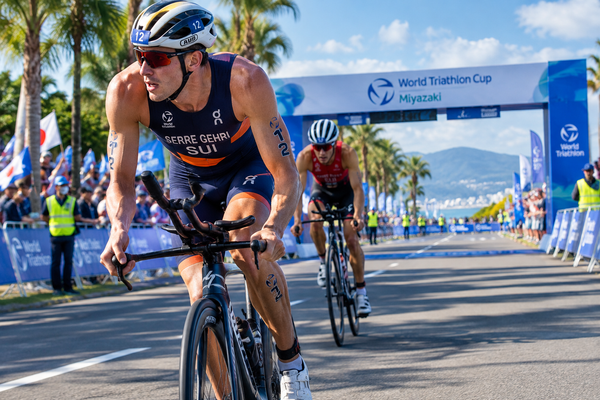
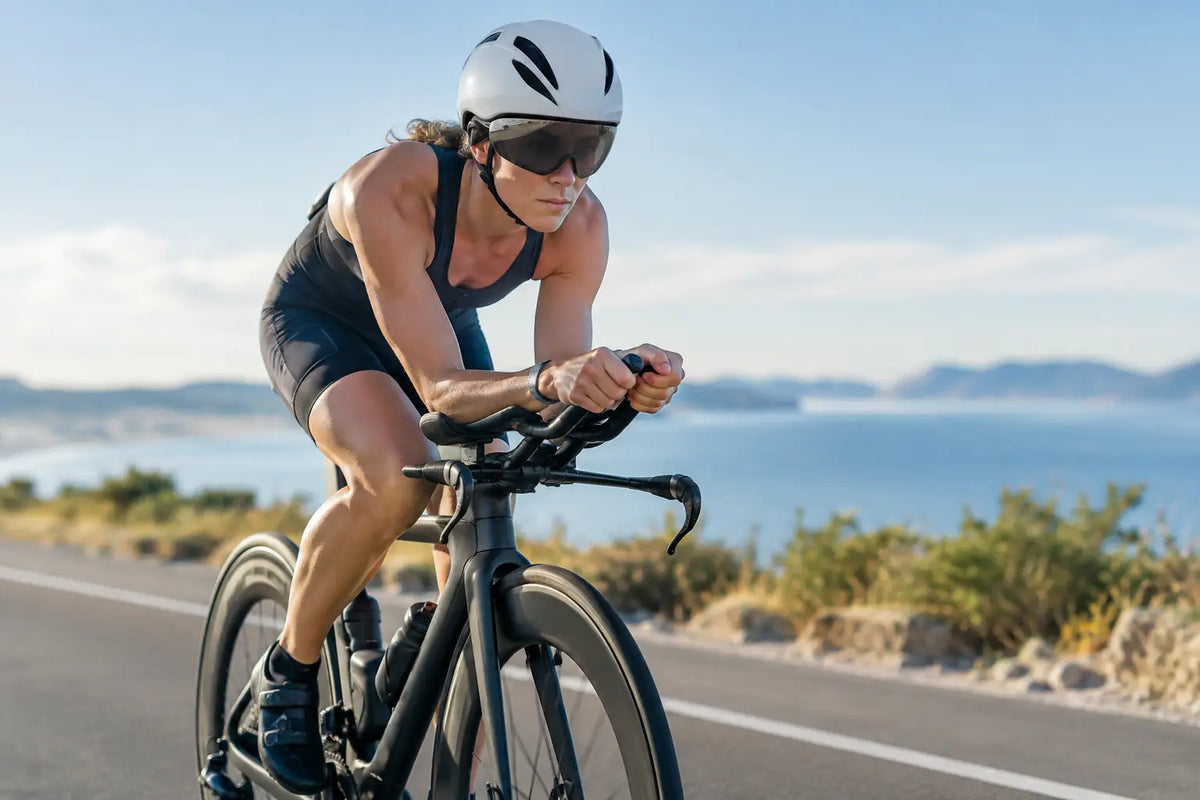
The bike leg is where a half-distance race can quietly be won or lost. It is long enough for small pacing mistakes to become expensive, yet short enough that athletes are tempted to push too hard. This half ironman bike strategy guide gives you a clear framework for riding the 90 km with control, fueling well, and starting the half marathon with legs you can still use.
For first-time 70.3 athletes, the goal is not to produce your best standalone bike split. The goal is to produce the strongest total race. That means riding at an effort you can repeat for several hours, making smart decisions when conditions change, and refusing to turn the final 20 km into a test of confidence.
Build Your Half Ironman Bike Strategy Around the Run
A half Ironman bike leg rewards patience more than bravado. The athlete who passes you early may be riding a different race, or may be setting up a difficult final hour. Your pace must be based on your fitness, the course, the weather, and your ability to run after the bike.
If you train with power, use it as your primary pacing tool. Many age-group athletes ride their 70.3 bike leg at roughly 75 to 85 percent of their functional threshold power, but the right number depends on experience and run durability. Newer athletes, athletes racing in heat, and anyone with an inconsistent nutrition plan should sit toward the conservative end. A strong cyclist with a proven long-course run may be able to hold more.
Do not treat a target power number as permission to ignore the course. A flat, sheltered route allows steadier pressure. A hilly course demands more restraint on climbs, while wind can raise the cost of chasing a speed target. Power tells you what your body is producing. Speed tells you what the road is giving back. Let power or perceived effort guide the effort, not your need to see a certain number on the computer.
Without a power meter, use heart rate and perceived effort together. Heart rate can drift upward in heat, dehydration, and late-race fatigue, so it should not be your only guide. The first half of the bike should feel controlled: focused breathing, relaxed shoulders, and an effort you could hold without mentally fighting every minute. If you are already bargaining with yourself at kilometre 25, you are riding too hard.
Start Easier Than You Want To
The first 10 to 15 minutes are one of the most important parts of your bike plan. You are coming out of a swim, running through transition, accelerating onto the course, and often riding among dense groups of athletes. Adrenaline is high, but your body is still settling.
Use this opening to establish calm. Build toward your planned race effort gradually rather than sprinting to it. Take the first drink early, confirm that your bike computer is working, and find a comfortable aero position. You do not need to earn the race in the first few kilometres.
This conservative start also protects your nutrition. Hard surges reduce the blood flow available for digestion and make it harder to eat consistently. A smooth beginning gives your stomach a better chance of handling the calories and fluids you will need later.
Ride the Course, Not Just the Average
A good half ironman bike strategy is rarely a perfectly flat line. Small changes are normal. What matters is limiting the spikes that create unnecessary fatigue.
On short rises, allow a modest increase in effort but stay seated where possible and avoid attacking every hill. Shift before your cadence drops too low. On longer climbs, accept that your speed will fall and focus on a sustainable rhythm. A slower climb at controlled power is almost always better than a fast climb that leaves your legs flooded and your heart rate elevated for the next 30 minutes.
On descents, recover intelligently. Pedal only when the return is worthwhile, stay safe, and use the easier terrain to eat or drink if you can do so without compromising control. In strong wind, lower your expectations for speed. A headwind is not a signal to push harder. It is a reason to stay aero, hold your planned effort, and remain patient.
For races in Mexico or warm destinations, heat deserves its own pacing adjustment. High temperatures can turn an ambitious bike effort into a compromised run even when your power numbers look manageable. Back off slightly early, prioritize fluids and sodium according to your personal sweat rate, and avoid arriving at the run already overheated.
Fuel Before You Feel Empty
Your bike leg is your best opportunity to fuel for the run. It is easier to eat while cycling than while running, and waiting until you feel depleted is usually too late.
Most athletes perform well with approximately 60 to 90 grams of carbohydrate per hour on the bike, provided they have trained their gut to tolerate it. Larger athletes, experienced racers, and athletes using multiple carbohydrate sources may manage more, but race day is not the moment to experiment. Start with the amount you have successfully used in long training sessions and make the plan simple enough to follow when tired.
A practical approach is to divide your nutrition into small, regular intakes every 15 to 20 minutes. This is easier than trying to remember one large gel or bar each hour. Carry what the course cannot reliably provide, and know what is available at each aid station before race morning. If you use drink mix for calories, have a backup option in case a bottle is dropped or conditions make you drink more plain water than expected.
 Nov 29, 2026Challenge Florianópolis
 Dec 5, 2026IRONMAN 70.3 Oman
 Dec 6, 2026IRONMAN 70.3 La Quinta
 Dec 6, 2026IRONMAN 70.3 Veracruz
 Dec 6, 2026IRONMAN 70.3 Western Australia
 Dec 11, 2026IRONMAN 70.3 Bahrain