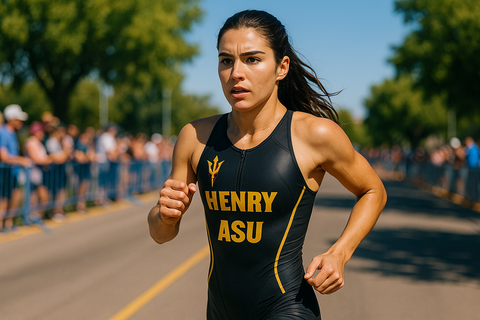

Orgullo sobre el podio: cómo el equipo de triatlón de Filipinas demostró que el éxito no se mide solo en medallas
A veces, terminar sin una medalla cuenta una historia más grande que subir al podio. En los Juegos Asiáticos Aichi-Nagoya 2026, cuatro atletas filipinos lo demostraron — alto y claro.
Imagina la emoción de entrenar durante meses, viajar a Japón y pararte hombro a hombro con los mejores triatletas de Asia. El 21 de septiembre de 2026, cuatro atletas filipinos vivieron esa experiencia en los Juegos Asiáticos Aichi-Nagoya. A pesar de terminar en noveno lugar de doce naciones en el relevo mixto, se fueron sintiéndose orgullosos, con energía renovada y listos para lo que viene.
Raven Alcoseba, Kim Mangrobang, Fer Casares y Andrew Kim Remolino cerraron su campaña de triatlón con un tiempo de 1:32:56. Sin oros, platas ni bronces al cuello, encontraron la victoria en el camino recorrido — y en ese orgullo compartido, mostraron de qué se trata el verdadero espíritu deportivo y el desarrollo atlético.
El progreso en números: la calma antes de la tormenta
Antes de hablar de cómo se vivió esta experiencia, revisemos los datos concretos. Las cifras pintan un cuadro de crecimiento y potencial.
El triunfo de Raven Alcoseba
Raven Alcoseba brilló en el triatlón individual femenino al lograr un 9.° lugar — un salto notable desde su anterior 16.° puesto en los Juegos Asiáticos Hangzhou 2022. En apenas un ciclo olímpico, Alcoseba escaló siete posiciones en un campo de competencia sumamente exigente.
Esto no fue casualidad. "Creo que fue muy divertido para todos", expresó Alcoseba tras el relevo mixto. "Dimos lo mejor de nosotros y estoy muy contenta con nuestro esfuerzo. Realmente dimos un paso adelante." Sus palabras transmitieron autenticidad y reflejaron un orgullo genuino tanto por su desempeño como por su progreso.
"Dimos lo mejor de nosotros y estoy muy contenta con nuestro esfuerzo. Realmente dimos un paso adelante." — Raven Alcoseba
Los resultados del relevo mixto en contexto
| Lugar | Nación | Tiempo |
|---|---|---|
| 🥇 1.° | China | 1:25:54 |
| 🥈 2.° | Japan | 1:26:45 |
| 🥉 3.° | Hong Kong | 1:27:25 |
| 9.° | Philippines | 1:32:56 |
| 10.° | Singapore | — |
| 11.° | Macao | — |
| 12.° | Thailand | — |
Filipinas terminó seis minutos y un segundo detrás de los medallistas de bronce y aproximadamente siete minutos detrás del ritmo ganador de China. Aunque existe una diferencia, también superaron a otras tres naciones, incluidos programas con muchos recursos como Singapore y Thailand. En este campo de doce equipos, un 9.° lugar los ubica firmemente en la mitad superior, marcando un avance en el camino hacia logros mayores.
Fer Casares: desafiando el cansancio
Una historia impresionante es la del espíritu incansable de Fer Casares. Habiendo competido en el triatlón individual masculino apenas un día antes, donde obtuvo el 10.° lugar con un tiempo de 54:58, volvió a ponerse el uniforme para el relevo. Participar en competencias internacionales consecutivas es un desafío físico monumental. La capacidad de Casares para estar a la altura demuestra tanto su condición física como su compromiso inquebrantable con el equipo.
Superando desafíos: el panorama completo
Lo que hace aún más valioso este noveno lugar es la gran cantidad de obstáculos que el equipo enfrentó en el camino.
Entrenamiento conjunto limitado
Fer Casares habló con franqueza sobre las dificultades que encontraron. "Lo hicimos increíble, considerando que este año no entrenamos juntos como el año pasado, cuando estábamos en entrenamiento constante para los SEA Games", dijo. "Así que creo que rendimos muy bien. Súper satisfecho con el resultado."
Es importante destacar que este año no entrenaron juntos como unidad de relevo. El relevo mixto exige una sincronización impecable — conocer las fortalezas y los patrones de carrera de cada compañero es fundamental. En contraste, equipos de países como China y Japan perfeccionan esa conexión a través de extensos campamentos de entrenamiento. El equipo filipino tuvo que forjar su unidad sobre la marcha, en el calor de la competencia. Terminar 9.° de 12 naciones fue un testimonio de su resiliencia.
Llegar a la línea de salida como una victoria
Andrew Kim Remolino, quien cerró el relevo, encuadró su logro de manera muy acertada. "Creo que todos merecen nuestra felicitación porque trabajamos duro para esto", dijo. "Nos preparamos durante meses solo para estar aquí, para llegar a la línea de salida."
"Nos preparamos durante meses solo para estar aquí, para llegar a la línea de salida." — Andrew Kim Remolino
Esa frase, solo para llegar a la línea de salida, está cargada de significado. Los competidores a este nivel atraviesan largos procesos de clasificación, planificación logística y entrenamiento físico, por lo que llegar a Japón sanos y listos para competir ya es un éxito notable. Una vez iniciada la carrera, Remolino destacó que su equipo empujó fuerte. "Aunque todos estaban dispersos, seguimos buscando la mejor posición posible."
Entendiendo el relevo mixto: el desafío por delante
Para quienes se están iniciando en el triatlón, un breve resumen: el relevo mixto de triatlón consiste en un equipo de atletas que compiten de forma secuencial en segmentos más cortos del triatlón completo — natación, ciclismo y carrera. Cada segmento cubre típicamente 300 m de natación, 7.5 km en bici y 2 km de carrera.
Es una prueba más compleja que las carreras individuales por varias razones:
- Ritmo colectivo: es un esfuerzo conjunto; el ritmo de un atleta puede impactar el rendimiento de su compañero.
- Transiciones coordinadas: el cambio eficiente entre atletas puede ganar o perder segundos decisivos.
- Resiliencia mental: si un segmento flaquea, el siguiente atleta debe sobreponerse y luchar por recuperar terreno.
- Fatiga acumulada: los formatos de relevo suelen ocurrir después de los días de eventos individuales, llevando a los atletas al límite.
Con todos esos factores en juego, la descripción de Remolino del equipo "luchando contra las adversidades" ilustra vívidamente el desafío colectivo que enfrentaron.
Kim Mangrobang: el contexto lo es todo
Un resultado que merece análisis es el de Kim Mangrobang, quien terminó en el 20.° lugar en el evento individual femenino esta vez, comparado con su 13.° puesto en los Juegos Asiáticos 2022, con un tiempo de 1:07:23. Si bien bajar del 13.° al 20.° puede parecer decepcionante, es fundamental no sobreanalizarlo sin entender sus circunstancias completas. El rendimiento en el deporte de élite tiene altibajos, y una sola carrera no define la trayectoria de un atleta. A pesar de enfrentar desafíos personales, Mangrobang siguió contribuyendo al esfuerzo del relevo mixto y, juntos, el equipo logró un meritorio 9.° lugar.
Redefiniendo el éxito en programas deportivos en desarrollo
Es importante señalar que el triatlón en Asia no es un campo de juego parejo. Países como China, Japan y Hong Kong han invertido significativamente en sus estructuras de triatlón — entrenadores profesionales, centros nacionales de entrenamiento y desarrollo atlético a largo plazo. Competir contra estas naciones significa enfrentarse a sistemas enteros, no solo a atletas individuales.
En ese contexto, terminar en la mitad superior de un campo de doce naciones — especialmente con entrenamiento conjunto limitado — revela avances reales, no simples consuelos. El ciclo de cuatro años entre los Juegos Asiáticos sirve como referencia para evaluar el progreso. El salto de Alcoseba del 16.° al 9.° lugar representa un cambio positivo para el programa, lo que sugiere que el trabajo de entrenamiento, preparación y selección de atletas desde Hangzhou 2022 está dando frutos.
Para triatletas en formación: lecciones aprendidas
Si recientemente descubriste el triatlón — ya sea que hayas completado una carrera de distancia sprint o estés preparándote para tu primer kit de carrera — hay mucho que aprender de la experiencia de Alcoseba y Casares en los Juegos Asiáticos. Observa cómo priorizan el proceso sobre los resultados. Celebran su esfuerzo, reconocen sus limitaciones y se enorgullecen de su progreso. Esta mentalidad está al alcance de cualquier triatleta que está comenzando. No se trata solo de cruzar la meta; se trata del camino, desde tu primera nada en aguas abiertas hasta la emoción de terminar un relevo.
El enfoque del equipo filipino ofrece una guía valiosa: mide tu éxito en función de tu crecimiento personal, no solo de la clasificación de los demás.
Construyendo hacia el futuro
Esta campaña en los Juegos Asiáticos no es un punto final — es un punto de control hacia el futuro. Cada carrera a este nivel genera una gran cantidad de aprendizajes. Los entrenadores analizarán los tiempos de cada segmento del relevo, y los atletas identificarán dónde pueden mejorar, ya sea en las transiciones o en el ritmo de carrera. La diferencia de tiempo con los medallistas de bronce (seis minutos y un segundo) se convertirá en un objetivo de entrenamiento, desglosado en los componentes de natación, bici y carrera.
Raven Alcoseba puede ahora ubicarse con confianza entre las competidoras de primer nivel en los Juegos Asiáticos. Esa nueva confianza, forjada en la competencia, transformará la manera en que los atletas se preparan de aquí en adelante. Próximas referencias como los SEA Games, el Campeonato Asiático de Triatlón y la clasificación olímpica para Los Ángeles 2028 ofrecerán nuevas plataformas para aplicar las lecciones aprendidas en Gamagori.
El triatlón filipino está en ascenso, y va en la dirección correcta.
La lección final: redefinir la victoria
Cuatro atletas cruzaron la meta en noveno lugar, y su reacción fue de orgullo, no de decepción. Fue genuina — un reflejo de trabajo duro y determinación. Esto es lo que hay que recordar del camino del equipo de triatlón de Filipinas en los Juegos Asiáticos 2026:
- Progreso real: la mejora de Alcoseba del 16.° al 9.° lugar es un logro significativo.
- La resiliencia importa: terminar 9.° con entrenamiento conjunto mínimo subraya su trabajo en equipo y tenacidad.
- El valor de la experiencia: cada relevo completado construye química y confianza entre compañeros.
- La mentalidad sostiene las carreras: los atletas que encuentran satisfacción en su esfuerzo tienden a tener carreras más largas.
- El camino cuenta: esos 1:32:56 en Japón son el resultado de meses de dedicación y preparación. Eso es verdaderamente significativo.
Ya sea que estés animando al equipo de Filipinas, embarcándote en tu primer triatlón o simplemente admirando el espíritu de la competencia, la historia de Gamagori merece celebrarse. Noveno lugar — y aun así, una historia de triunfo.
¿Te inspiró el camino del equipo de triatlón de Filipinas? Explora nuestro equipo de entrenamiento para triatlón y los esenciales para el día de carrera para apoyar tu propio camino en el triatlón — a donde sea que te lleve.
Etiqueta a ese triatleta que nunca se rinde, sin importar el resultado. 🇵🇭
Preguntas frecuentes
¿Cuál fue el resultado del equipo de triatlón de Filipinas en los Juegos Asiáticos 2026?
El equipo de triatlón de Filipinas terminó en noveno lugar en el evento de relevo mixto con un tiempo de 1:32:56.
¿Quiénes integraron el equipo de triatlón de Filipinas en el relevo mixto?
Los integrantes del equipo fueron Raven Alcoseba, Kim Mangrobang, Fer Casares y Andrew Kim Remolino.
¿Cómo se sintieron los atletas con respecto a su desempeño?
Los atletas expresaron satisfacción con su desempeño, destacando el trabajo duro y la preparación, a pesar de no haber ganado una medalla.
¿Cuáles fueron los resultados del podio en el evento de relevo mixto?
China ganó la medalla de oro con un tiempo de 1:25:54, Japan se llevó la plata 51 segundos después, y Hong Kong aseguró el bronce con un tiempo de 1:27:25.
¿Qué logros individuales tuvo Raven Alcoseba en los Juegos Asiáticos?
Raven Alcoseba terminó en noveno lugar en el triatlón individual femenino, mejorando su clasificación desde el 16.° puesto en los Juegos Asiáticos anteriores.
Source: Philippine Inquirer — Asian Games PH Triathlon Team Wraps Up Campaign on Proud Note
Descubre mercancía única con temática de triatlón, incluyendo camisetas, stickers, fundas para celular y decoración para el hogar — perfecta para entusiastas de los deportes de resistencia y atletas. Compra ahora