![[VIDEO] Ironman World Championship: the shocking footage of collapsing Solveig Løvseth](http://triathlon.mx/cdn/shop/articles/f4fca448b0f49c699b76009abf20ff03_20x17_crop_center.png?v=1791866310)
What Solveig Løvseth's Collapse Reveals About Heat Management in Extreme Endurance Racing
One kilometer from her second world title, a champion's body shut down. Here's what every triathlete needs to understand about heat illness before it happens to them.
The Final Kilometer: What Happened in Real Time
A Champion Falls — Repeatedly
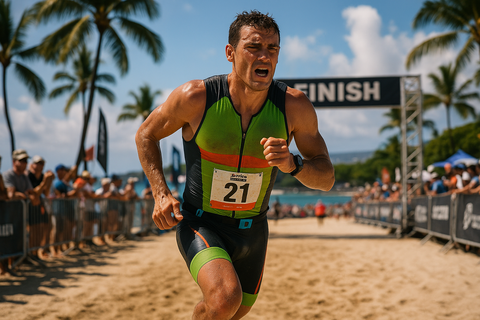
Last October, during the long-distance triathlon World Championship in Kona, Norway's Solveig Løvseth was on the precipice of making history. Just one kilometer away from securing her second world title, her body reached a critical breaking point. The footage is tough to watch: multiple falls, complete disorientation, and long periods of stillness on the scorching pavement. After struggling for over ten minutes, she managed to cross the finish line in eighth place.
Løvseth experienced more than just fatigue; she collapsed multiple times. She lost her sense of direction completely, at one point moving away from the finish line instead of toward it. She spent significant moments motionless on the ground. By the time she crossed the finish line, she had battled through that last kilometer largely on her own.
To grasp why her experience is alarming, consider what she endured leading to that point. By the time an athlete faces the final kilometer of a long-distance triathlon, they've already completed a 3.8 km swim, a 180 km bike ride, and most of a 42.2 km marathon — 8 to 10 or more hours of continuous effort in Kona's grueling heat and humidity.
The last kilometer isn't just another stretch; it's the culmination of a body's limits pushed to the extreme.
The Broader Race Picture
Løvseth's collapse allowed American athlete Taylor Knibb to take the win, showcasing a significant difference in how athletes manage extreme conditions. Same course, same heat, same competitive field — yet vastly different outcomes. Meanwhile, Magnus Ditlev made headlines by finishing just 30 minutes shy of his biggest dream in the men's division, highlighting the harshness of championship racing in Kona.
This wasn't merely an exciting finish; it was a stark reminder of the serious risks involved in endurance racing. It prompts essential questions for every triathlete — from seasoned professionals to first-timers gearing up for their first long-distance event: Could this happen to me? Am I aware of the warning signs? Do I know the necessary steps to take?
The Physiology: Why Your Body Breaks Down in the Heat
Heat Exhaustion vs. Heat Stroke — Know the Difference
Many folks use "heat illness" as a catch-all term, but it's essential to differentiate between heat exhaustion and heat stroke — a distinction that can be life-saving.
Heat exhaustion serves as a warning. Symptoms include heavy sweating, weakness, dizziness, nausea, rapid pulse, and muscle cramps, but mental function remains intact. With rest, cooling, and hydration, recovery is generally straightforward.
Heat stroke is a medical emergency. When core body temperature exceeds 40°C (104°F), sweating may even stop. Critical signs include confusion, disorientation, and loss of coordination. From the video footage, it appears Løvseth transitioned well into heat stroke territory. This wasn't merely a performance issue; it was a medical crisis.
The Three-Factor Perfect Storm
Heat illness in endurance sports rarely has one root cause. In Kona, three compounding factors exacerbate the situation:
- Environmental heat: The tropical climate mixes high temperatures with high humidity. Humidity severely limits the body's ability to cool down via sweat evaporation. The lava fields along the course absorb and radiate heat, creating an oven-like environment with hardly any shade.
- Metabolic heat: Enduring a long-distance triathlon generates enormous internal heat. As your muscles work hard, they produce significant heat, quickly surpassing the body's ability to regulate it.
- Cumulative dehydration: After hours of racing, fluid losses due to sweating accumulate significantly. As dehydration advances, blood volume declines, putting additional strain on the cardiovascular system and dampening the body's cooling capacity — resulting in a dangerous cycle.
The Thermoregulatory Cascade
As core temperature rises, your body goes through several stages. Blood flow shifts from working muscles to skin to help release heat, meaning less oxygen reaches muscles and fatigue accelerates. As dehydration worsens, your cardiovascular system struggles to manage both skin blood flow and muscle requirements simultaneously.
The central nervous system can falter next, causing confusion, stumbling, and disorientation — like losing track of the finish line. In severe cases, sweating may even stop as dehydration limits the body's cooling reserves, a dire sign that intervention is needed immediately.
When an athlete appears disoriented during a race, it's not a matter of mental toughness — it's a signal of a medical emergency.
Why Elite Athletes Are Not Immune
Here's a tough reality highlighted by Løvseth's experience: elite fitness cannot shield you from heat stroke. In fact, a competitive mindset may actually heighten vulnerability in some cases. Well-trained athletes are adept at pushing through discomfort, and that same mental toughness can mask early warning signs that a novice might heed by slowing down.
Personal heat tolerance also varies significantly based on genetics, acclimatization history, and the specific conditions on race day. For Løvseth, training in Norway does not replicate the heat of Hawaii, presenting additional challenges that no amount of fitness alone can fully offset.
Race Conditions: The Kona Factor
Why Kona Is Different
While long-distance triathlons are hosted worldwide, Kona stands apart due to its harsh environmental challenges. Tropical heat during October, high humidity that hinders effective cooling, exposed lava fields reflecting additional radiant heat, and limited shade along major course sections combine to create an environment that can push even well-prepared athletes past their limits.
The Marathon Arrives Last — for a Reason
Triathletes face a marathon after first completing a 3.8 km swim and a 180 km bike ride — usually representing 5 to 7 hours of exertion before the footrace begins. By the time athletes reach those final kilometers, glycogen stores are significantly depleted, core temperature has been elevated for hours, gut function falters limiting fluid and electrolyte absorption, and the cardiovascular system is under immense cumulative strain.
This environment makes the final segments of long-distance races particularly dangerous regarding heat illness. The body's thermal, metabolic, and fluid reserves have been exhausted long before the ultimate test arrives.
What Every Triathlete Can Learn
Know the Warning Signs — In Yourself and Others
Early recognition is crucial in preventing heat illness from escalating. By the time someone collapses on the course, the situation has already become serious. Look out for these warning signs in yourself and fellow competitors:
- Unusual dizziness or lightheadedness that persists
- Lack of sweating in conditions that should prompt it
- Nausea or vomiting that isn't resolved with fluids or nutrition
- Confusion — difficulty understanding basic instructions
- Coordination issues — stumbling, veering off course
Muscle soreness and overall fatigue signify discomfort. Disorientation and lack of coordination signal danger, requiring immediate action.
Heat Acclimatization: The Non-Negotiable Preparation
For athletes racing in Kona or any warm-weather long-distance event, heat acclimatization is essential — it belongs in your core training plan, not as an afterthought. Research shows that spending 10 to 14 days in warm, humid conditions leads to vital physiological changes: increased blood volume, earlier onset of sweating for more effective cooling, reduced cardiovascular strain during exercise, and better sodium retention.
Practical steps involve arriving early at warm race venues, training under heat conditions or using sauna protocols safely, and including heat sessions in your training plan well ahead of race day. For athletes in cooler climates — particularly relevant for those in Latin America or Europe training for races in Hawaii — this acclimatization phase is not optional.
Pacing and Nutrition Strategy for Hot Conditions
A key takeaway from Løvseth's situation is the importance of cautious pacing early in races on hot days. The faster you push in the swim and bike, the more heat generated and fluid lost — leaving a compromised thermal state by the time you reach the run. Even slowing by 10 to 15 watts on the bike can drastically lower heat production over a 180 km ride.
- Hydrate at each aid station, not just when thirsty — thirst already indicates mild dehydration.
- Don't skip sodium; relying on plain water dilutes electrolytes, while proper electrolyte intake supports blood volume.
- Pre-cool before the race with cold towels, drinks, or shade to start at a lower core temperature.
- Set realistic pacing goals for known hot races — expect your Kona marathon split to be slower than your typical marathon pace.
For Coaches and Support Teams
If you're coaching athletes for hot-weather long-distance races, make heat preparation a focal point in your training plan. Schedule acclimatization phases at least two to three weeks before race day, observe athlete behaviors during hot training sessions for early warning indicators, and establish communication protocols so athletes know when to stop rather than push through. Incorporating nutrition strategies during long training sessions helps prevent gastrointestinal issues on race day that could compromise fluid absorption at the worst possible moment.
The Bigger Picture: Safety, Systems, and the Sport
Race Organization and Medical Protocols
Løvseth's experience raises vital questions about race safety standards. Medical teams on the course — especially in the final segments — are crucial. Athletes in severe heat distress may not be capable of making rational decisions, and medical staff must have both the presence and the authority to intervene proactively. Hydration stations with adequate electrolyte options and cooling resources such as ice, cold water, and shade are basic necessities for any long-distance race in hot climates.
A Note on Løvseth's Achievement
In light of the safety concerns, we must also recognize that Solveig Løvseth finished. She crossed that finish line in eighth place after experiencing severe heat illness, which required extraordinary willpower. However, the more critical narrative isn't about perseverance — it's about prevention. The reality that she needed such determination under these circumstances is a learning point the entire triathlon community should reflect upon carefully.
Climate and the Future of Racing
Kona's harsh conditions are not getting easier. As global temperatures rise, conversations surrounding race scheduling, course design, and safety protocols become increasingly essential. This is a crucial discussion for the triathlon community to engage in collectively — both elite athletes and age-groupers have a stake in shaping safer racing environments for the future.
Action Plan: What to Do Before Your Next Hot Race
Whether you're gearing up for a long-distance race in Mexico, Brazil, Spain, or Hawaii, use this practical pre-race heat checklist to prepare with intention.
8–12 Weeks Out
- Determine if your race venue is significantly warmer or more humid than your training location.
- Integrate heat acclimatization sessions into your training schedule.
- Practice race nutrition and hydration during training to avoid surprises on race day.
2–4 Weeks Out
- Arrive early at the warm race venue to acclimatize in real conditions.
- Test your heat tolerance in longer training sessions.
- Discuss personal warning signs with your coach and support crew.
Race Week
- Pre-hydrate aggressively in the days leading up to the race.
- Establish conservative pacing expectations adjusted for heat.
- Locate medical tents on the course map and share their positions with your crew.
Race Day
- Pre-cool before the start with cold towels, ice, or shaded rest.
- Consume electrolytes at every aid station without exception.
- Check in with yourself regularly: Are you still sweating? Can you think clearly?
Frequently Asked Questions
What happened to Solveig Løvseth during the long-distance triathlon World Championship?
Solveig Løvseth collapsed from the heat near the finish line of the long-distance triathlon World Championship, struggling to maintain her direction and ultimately finishing in eighth place after a difficult final kilometer.
Where can I find news about upcoming triathlon events?
You can find news about upcoming triathlon events on the Triathlon Today website under the 'News' section, where they provide the latest updates on races and events.
What kind of content does Triathlon Today offer?
Triathlon Today offers a mix of race reports, industry news, human interest stories, and coverage of both pro and age-group athletes in triathlon and multisport. They cover both long course and short course events.
Is Triathlon Today independent?
Yes, Triathlon Today is an independent news outlet, meaning its editorial team decides on the content published without influence from advertisers.
How can I contact Triathlon Today for press releases or news suggestions?
You can contact Triathlon Today for press releases or news suggestions at the email address news@tri-today.com.
Source: tri-today.com