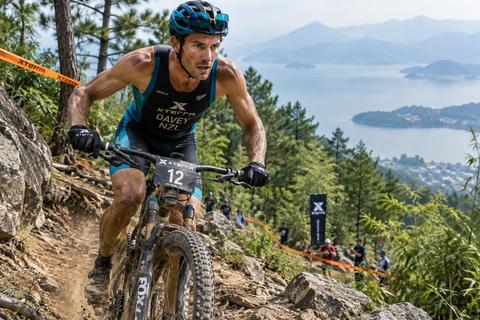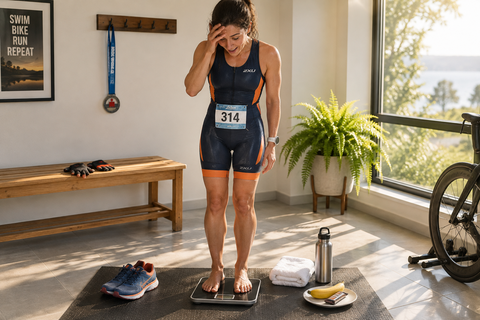

You squeeze in a gym session between a swim and a long ride. Unsure what to do, you grab light dumbbells, crank out 15 to 20 reps with barely any rest, and leave feeling like you’ve done an endurance workout.
Are your gym sessions helping your race—or quietly working against it?
If you’re not sure, you’re in good company. Most triathletes know swim, bike, and run training well, but the weight room can feel unfamiliar. That uncertainty can lead to common strength training mistakes, whether you’re new to the sport or have years of racing behind you.
Slowtwitch writer Ben Snider-McGrath recently spoke with David Winton, a triathlon coach in Scottsdale, Arizona, who works with Purple Patch Fitness. Winton has coached triathletes at different levels and has seen plenty of ways gym training can go off track. Here are five common mistakes, along with practical fixes you can try this week.
Why Strength Training Can Feel Tricky for Triathletes
Strength training has long been a point of debate among endurance athletes. In the Slowtwitch forum discussion on the original article, one commenter recalled that years ago, strength work was seen as something endurance athletes didn’t need. That’s one person’s memory, not a documented history, but it helps explain why some triathletes still feel unsure about lifting.
The good news: you don’t need a bodybuilder’s program. A simple triathlon strength program can fit around the swim, bike, and run training you already do.
Mistake 1: Getting the Timing and Frequency Wrong
Winton says many triathletes treat strength training as a winter-only project, squeezing it into the off-season. It’s easy to see why. When race season gets busy, the gym can feel like the first thing to cut because it isn’t a swim, bike, or run session.
His advice is to keep strength work in your plan throughout the year:
- Race season: About two sessions per week
- Off-season: Three to four sessions if you’re doing a dedicated strength block
As Winton puts it: I recommend athletes typically strength train two times a week during the race season. If you add a strength project in the off-season, maybe you can up it to three or even four sessions.
Many athletes do one session a week—or none at all. When life gets busy, aim to protect two sessions where you can.
An illustrative race-season week (our example, not Winton’s prescription):
| Day | Session |
|---|---|
| Mon | Strength (30–40 min) |
| Tue | Swim + easy run |
| Wed | Bike intervals |
| Thu | Strength (30–40 min) |
| Fri | Swim |
| Sat | Long ride |
| Sun | Long run |
The fix: Add two strength sessions to your calendar before the week starts. Treat them like important workouts, not optional extras.
Mistake 2: Believing Strength Sessions Have to Be Long
This mistake often goes hand in hand with doing too little strength work. Many triathletes assume a real gym workout takes 60 to 90 minutes. If they can’t find that much time, they skip it.
Winton says Purple Patch sessions typically last 30 to 40 minutes. He also says coaches regularly see athletes assume strength workouts need to take 60 to 90 minutes. Shorter sessions can still help you get stronger—and they’re much easier to repeat week after week.
Winton’s approach is about consistency and making training fit your life, rather than chasing massive workouts.
Think of it like saving money: a small deposit every week adds up, while a huge deposit you never get around to making does not.
The fix: Set aside 30 to 40 minutes. A short session you complete is more useful than an epic workout you keep postponing.
Mistake 3: Lifting Too Light for Too Many Reps
Endurance is a triathlete’s strength, but Winton recommends leaving that mindset at the gym door. A common pattern is choosing light weights and doing 12 to 20 reps with minimal rest because it feels like the right way for an endurance athlete to train.
Winton’s take is blunt: that approach is actually counterproductive.
Instead, he recommends:
- Heavier weights for fewer reps
- More rest between sets
- Focusing on mechanical strength and durability that can hold up over time, whether you’re running a marathon or racing a long-distance triathlon
What Does Heavy Mean?
If you’ve never lifted, heavy can sound intimidating. A reasonable place to start is a weight that makes the final reps of a set challenging while you can still keep your technique under control. If you could easily continue for 15 or 20 reps, the weight may be too light for the approach Winton describes.
The right load and rep range depend on your experience, injury history, and goals. If you’re new to lifting, a coach or qualified trainer can help you learn good technique and choose appropriate weights.
The fix: Lift heavier, do fewer reps, and rest between sets. Your gym workout doesn’t need to become another cardio session.
Mistake 4: Chasing Soreness and Fatigue
Staggering out of the gym or struggling to walk downstairs two days later can feel like proof that you trained hard. But Winton says soreness isn’t the right measure of a successful session.
Sometimes athletes think they need to chase soreness or fatigue, he says. That isn’t the goal. Strength sessions should fit into the rest of your training program.
If a workout leaves your legs exhausted for days, your swim, bike, or run quality may suffer. Strength and conditioning should support your triathlon training, not take it over.
A Simple Self-Check
After each session, ask yourself:
- How do I feel 24 to 48 hours later?
- How did my next key workout go?
If your next hard swim, ride, or run is consistently compromised, the gym session may be too much. Adjust the weight, number of sets, or timing.
The fix: Judge your session by how well it fits into your week, not by how tired or sore you feel afterward.
Mistake 5: Skipping Strength Work Altogether
Winton calls this the biggest mistake of all. Once you’ve signed up for a race, it’s natural to focus on swimming, biking, and running. Strength training can slip to the bottom of the list.
Winton says consistent gym work can help you:
- Build reserves for the later stages of a race
- Maintain form and mechanics when you’re tired
- Support injury prevention
- Identify weaknesses and build balance across your muscles
The gym is an opportunity to understand where you’re weak, Winton says. Then you can work on those areas and build balance across your muscles and body.
Skipping strength is like preparing for a long-distance triathlon while overlooking the foundation that supports the rest of your training.
The fix: Start small—even one short session is a start. Showing up is your first win.
Quick Reference: The 5 Mistakes and Fixes
- Timing and frequency: Train strength year-round, aiming for about two sessions a week in season.
- Session length: A 30-to-40-minute workout is enough to build consistency.
- Load and reps: Use heavier weights, fewer reps, and more rest.
- Soreness: Focus on fitting strength work into your training, not exhausting yourself.
- Skipping it: Do some strength work consistently.
Common Questions
- Can I strength train during race season?
- Yes. Winton recommends about two sessions a week during race season and says skipping strength work is a mistake.
- What if I can only fit in one session?
- One session is better than none, but two is Winton’s in-season target. If your schedule is tight, it may be easier to fit in two short 30-minute sessions than one long workout.
- How do I know if I’m overdoing it?
- Use the 24-to-48-hour check above. If your key workouts keep suffering, scale back the load, volume, or timing.
- Do I need a coach?
- Not necessarily. But if you’re new to lifting, professional guidance can help you learn good technique and choose suitable weights.
Your Next Steps
- Schedule two strength sessions each week during race season, and consider more in the off-season if you’re doing a dedicated strength block.
- Set aside 30 to 40 minutes and treat that time as part of your training plan.
- Choose challenging weights and do fewer reps, with enough rest between sets.
- Check in 24 to 48 hours later and adjust if your swim, bike, or run sessions are suffering.
Next time you walk into the gym unsure what to do, you’ll have a plan. Consistent strength training supports the swimming, biking, and running you’ve already invested in—and can be especially valuable in the final miles of a race.
Building your kit for race season? Browse our race-season essentials, or explore gifts for triathletes. Looking for a gift for a training partner? You’ll find ideas in our triathlon gifts collection.
Want to learn more about the coaching behind this advice? Visit Purple Patch Fitness. Tell us in the comments: what’s the biggest gym mistake you’ve made, or what question do you still have?
This article is based on The Most Common Mistakes Triathletes Make in Strength Training by Ben Snider-McGrath, published on Slowtwitch, featuring insights from David Winton of Purple Patch Fitness. Join the conversation on the Slowtwitch Forum.
#TriathlonStrength #StrengthTraining
Source: https://www.slowtwitch.com/triathlon/the-most-common-mistakes-triathletes-make-in-strength-training/
Discover unique triathlon-themed merchandise, including stylish t-shirts, stickers, phone cases, and home decor - perfect for endurance sports enthusiasts and athletes. Shop now
How often should triathletes strength train during race season?
Coach David Winton recommends that triathletes typically strength train twice a week during race season. In the off-season, athletes adding a focused strength block may increase this to three or four sessions a week.
How long should a triathlete’s strength session last?
Strength sessions do not need to last 60 to 90 minutes. Winton says typical sessions at Purple Patch Fitness last 30 to 40 minutes, making it easier to maintain consistency alongside swim, bike, and run training.
Should triathletes lift light weights for many repetitions?
The article advises against treating strength training like an endurance workout by lifting light weights for 12 to 20 repetitions with little rest. Winton recommends heavier weights, fewer repetitions, and more recovery between sets to develop mechanical strength and durability.
Should triathletes aim to feel sore after every strength workout?
No. Soreness and exhaustion are not the goals of strength training. Sessions should fit into the wider training plan rather than leave an athlete so fatigued or sore that swimming, cycling, or running is affected.
Why is strength training important for triathletes?
Consistent strength work can help triathletes build reserves for the later stages of races, maintain good form and mechanics, identify and address weaker areas, and create better muscular balance. The article also notes that it can help protect against injury.
Should triathletes stop strength training during the busy race season?
No. The article recommends incorporating strength training throughout the year, rather than limiting it to the winter or dropping it when life gets busy. Short, consistent sessions can help keep strength work integrated with endurance training.