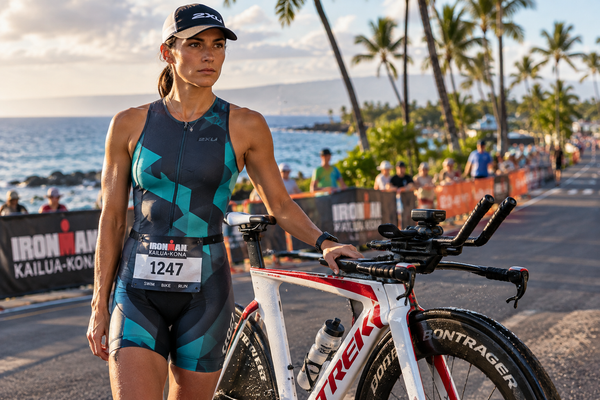

You finish your first 70.3-distance race. You eat everything in sight, sleep like a rock, and step on the scale the next morning feeling proud. The number is two or three pounds higher than it was during race week.
Your stomach drops. Did all that training do nothing?
Take a breath. Post-triathlon weight gain is one of the most common—and least discussed—parts of recovering from a hard endurance effort. Triathlete recently published a piece by Susan Kitchen titled Step Off the Scale! Here's the Truth About Post-Triathlon Weight Gain. The headline captures an important reminder: a higher number after a race doesn't automatically mean you gained body fat. In this guide, we'll explain what may be happening, how to interpret scale fluctuations, and how to recover without punishing yourself.
A note on sourcing: We only had access to the headline of Kitchen's article, so we don't quote or attribute specific claims to her. The physiology below reflects widely taught sports nutrition principles. For her full perspective, read her original piece on Triathlete.
What's Actually Happening on the Scale
Think of your body after a race like a house after a big renovation. There's dust in the air, supplies on the floor, and workers still on site. None of that means the house got bigger; it means work is happening.
The scale can't distinguish fat from water, stored fuel, or the burrito still in your digestive system. It reports your total mass. After a race, several temporary sources of weight can add up at once.
Glycogen and Water: The Biggest Player
Your muscles and liver store carbohydrate as glycogen, the fuel you use during long efforts. Glycogen is stored with water. A commonly cited estimate is roughly 3 grams of water for every gram of glycogen.
After a long race, your fuel stores are low. As you refuel with rice, pasta, fruit, and sports drink, your body replenishes glycogen and stores water alongside it. That process alone can add a few pounds within a day or two.
Example: A cyclist finishes a long ride with low fuel stores, then eats a large carb-rich dinner. The next morning, the scale reads higher—but the change reflects stored fuel and the water that comes with it. Her body fat didn't change overnight.
Gut Content Counts Too
Race-day nutrition often includes gels, chews, drink mix, and plenty of fluids. After the race, you add recovery meals on top. Food and fluid still moving through your digestive tract add real, temporary weight.
Repair, Inflammation, and Fluid Shifts
Racing puts your body through hard work. Intense efforts create tiny amounts of muscle-fiber damage, which can leave your quads feeling like concrete on the stairs two days later. This is part of delayed-onset muscle soreness (DOMS), which typically peaks 24 to 72 hours after unfamiliar or intense exercise.
Your body sends fluid and nutrients to the affected tissue as it repairs itself. That repair process, along with the inflammation that comes with it, can lead to temporary water retention. It's one part of how your body rebuilds after exercise.
Why this matters: If you read the scale as proof that you gained fat, you may feel tempted to cut back on food just when your muscles need support. The number may reflect repair and recovery—not failure.
Sodium, Hydration, and the Salty Recovery Meal
Race day can shift your fluid balance in both directions. You lose water and sodium through sweat, then take both back in through electrolyte drinks, salty snacks, and your post-race meal.
Many athletes crave salty food after racing, and that's understandable. A high-sodium recovery meal can lead your body to hold on to more water for a day or two. Add glycogen replenishment, and the scale may show a startling number that mostly reflects water.
The effect may be more noticeable in hot, humid conditions. Athletes racing in places such as Mexico's coastal regions or at other Latin American summer events may sweat heavily, so shifts in fluids and sodium can be larger. Your own sweat losses matter more than a generic number.
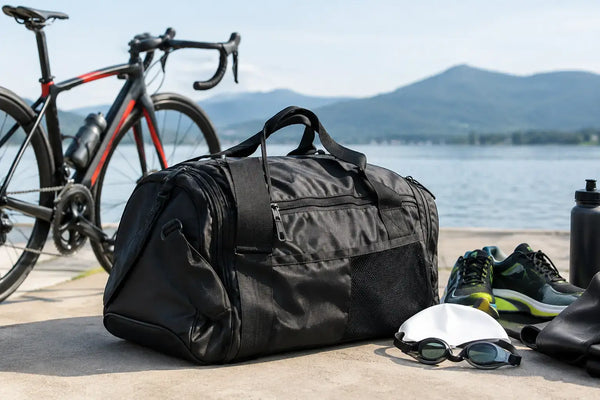
The right bottles, belts, and carry gear can make it easier to fuel and hydrate consistently. Our race-season essentials collection is a good place to start.
Stress, Sleep, and Post-Race Hormones
Race week can be stressful, even when you're excited. Early alarms, travel, nerves, and disrupted sleep can affect hormones such as cortisol, which may influence appetite and fluid balance.
After the race, your routine changes. You might feel hungrier than usual, crave different foods, or lose the structure of your normal schedule. That's all normal. We'd avoid overstating the relationship between stress hormones and short-term weight changes, since the effect is likely modest compared with glycogen and fluid shifts.
Traveling to a destination race? A change in routine can add stress. Our race-day travel gear collection can make the logistics easier.
How to Respond Without Restricting
Here's the practical part. If the scale jumps after a race, try these steps:
- Track trends, not single readings. A weekly average tells you more than one morning's number. A one-day spike almost never reflects a meaningful change in body composition.
- Weigh consistently, or take a break for a few days. If you choose to weigh yourself, do it at the same time and under similar conditions, such as first thing in the morning after using the bathroom. If the scale makes you anxious, it's okay to step away from it.
- Refuel adequately. Carbohydrates, protein, fluids, and sodium tailored to your sweat losses can support recovery. Restricting food right after a race may slow recovery and undermine your next training block.
- Resist the urge to make up for it. Eating less to balance out the scale can backfire because you're trying to undo the water and fuel your body deliberately stored.
- Be patient. For many athletes, temporary weight gain settles as recovery progresses over the following days.
When to Get Help
Seek advice from a doctor or sports dietitian if:
- the weight gain continues well beyond your recovery window,
- you notice swelling that isn't normal for you,
- you find yourself weighing obsessively or feeling distressed about food after races.
Endurance culture can intensify weight anxiety. You deserve support if those worries start to take over.
A Quick Illustration: Maria Finishes a Sprint
(This is a hypothetical example, not a real athlete.)
Maria finishes her first sprint triathlon on Sunday. By Wednesday, she's up two pounds and nearly cuts dinner. Then she remembers: she replenished glycogen, ate a salty recovery meal, and her legs are still sore as they repair. She eats normally, sleeps well, and by the following week her average is back where it was. Her legs feel strong again, too.
Same body, same race. The difference is that Maria understands what the number may mean.
Quick FAQ
Is post-race weight gain fat?
Usually not. It most often reflects water retention, glycogen, and temporary gut contents.
How long does it last?
It varies by athlete and event. For many people, it settles over several days to a couple of weeks.
Should I eat less to balance it out?
No. Under-fueling can slow recovery and may make the cycle worse.
Does race distance matter?
Possibly. Longer efforts may use more fuel and cause more muscle damage, but individual responses differ.
When should I worry?
If the gain persists, comes with unusual swelling, or the scale causes significant distress, talk to a professional.
Key Takeaways
- Post-race weight gain is typically water, glycogen, and gut content—not body fat.
- A higher number can be part of healthy recovery.
- Trends over days and weeks matter more than a single reading.
- Refuel; don't restrict.
- Get support if the number affects how you feel about food or training.
Your Next Step
Before your next race, plan your recovery meal and decide ahead of time whether you'll focus on weekly averages instead of the morning-after number. If you're getting ready for your first event, explore our race-season essentials. The gifts for triathletes collection is a good option for the athlete in your life. Prefer to browse everything? Head to all products.
Remember the scale number you were dreading at the start? Now you know what it may mean: your body worked hard, and it's rebuilding. Tell us in the comments: What did your body do after your last race?
Why might someone gain weight after a triathlon?
A temporary increase on the scale after a triathlon can reflect factors such as fluid shifts and the body’s recovery from prolonged, strenuous exercise. It does not necessarily mean an athlete has gained body fat.
Should triathletes weigh themselves immediately after a race?
The article’s advice is to step off the scale: an immediate post-race reading can be affected by hydration and recovery, so it may not be a useful measure of lasting changes in body composition.
Does post-triathlon weight gain automatically mean fat gain?
No. A short-term change in weight after a race does not, by itself, show that an athlete has gained fat. The scale can fluctuate during the body’s post-exercise recovery.
What should triathletes focus on after a race instead of the scale?
Rather than overinterpreting a single weigh-in, athletes can prioritize recovery and pay attention to how they feel. The article cautions against treating post-race weight as a straightforward measure of progress or health.
#Triathlon #PostRaceRecovery
Source: https://www.yahoo.com/lifestyle/articles/step-off-scale-truth-post-120050377.html
Discover unique triathlon-themed merchandise, including stylish t-shirts, stickers, phone cases, and home decor - perfect for endurance sports enthusiasts and athletes. Shop now
 Sep 18, 2027T100 Marbella
 Sep 26, 2027IRONMAN 70.3 Cozumel
 Oct 31, 2027IRONMAN 70.3 Málaga
 Nov 29, 2026Challenge Florianópolis
 Dec 5, 2026IRONMAN 70.3 Oman
 Dec 6, 2026IRONMAN 70.3 La Quinta