
Who Says Triathlon Gear Can't Be Fashionable? Your Complete Race-Day Style Guide
Who says triathlon gear has to be all function and no fashion? Before my first triathlon, I had every question imaginable — do I start in a swimsuit, change into cycling gear, and somehow squeeze into running shorts mid-race? It felt completely overwhelming. The good news: race-day gear has never been better — or more stylish.
Whether you're gearing up for your first sprint distance or aiming for a longer 70.3-style race, this guide covers the four essential gear categories that will carry you from the swim start to the finish line feeling confident, comfortable, and looking great. I'm not a pro triathlete — I work a 9-to-5, love my social life, and genuinely appreciate a cute race-day outfit. Think of this as your friendly guide to getting race-ready with performance and style in mind.
Step 1: The Clothes — Why Your Swimsuit Won't Cut It
The Layering Problem Nobody Warns You About
Picture this common first-timer scenario: you start the swim in a bathing suit, duck behind a towel in transition to pull on cycling shorts, then swap again before the run. It sounds manageable in theory but becomes a logistical nightmare involving wet fabric, precious race time, and an awkward changing situation in front of everyone.
Beyond the embarrassment, the performance issues are real. Wet cotton chafes, regular swimsuits lack cycling support, and running shorts aren't built to transition from water to pavement without discomfort. Every outfit change adds time to your race and uncertainty to your day.
The solution? Triathlon-specific gear — specially designed to take you seamlessly through all three sports without the need for constant changes.
The Trisuit Revolution
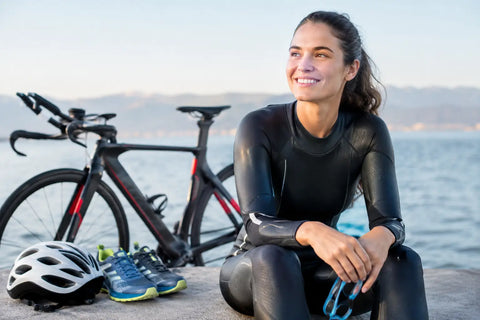
A trisuit (or tri set) is a one- or two-piece outfit meant to handle the swim, bike, and run in one go. Thanks to advanced fabric technology, these suits dry quickly, wick sweat, and provide the support you need across all three disciplines. The best part? Modern trisuits are genuinely stylish. The era of "performance gear equals ugly gear" is officially over.
Featured Pick: 2XU Core Tri Tank
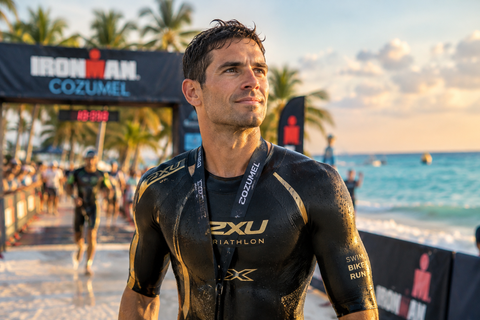
The 2XU Core Tri Tank is built for the demands of a triathlon. Its hydrodynamic technology minimizes water resistance so you can glide through the swim without your clothing holding you back. Once you exit the water, the SBR Skin Lite fabric dries quickly and manages sweat, making every transition smooth and comfortable.
- Hydrodynamic design for reduced water resistance
- SBR Skin Lite fabric for rapid drying and sweat-wicking
- 40+ UPF sun protection for long outdoor training sessions
- Built to move with you across all three sports
Featured Pick: 2XU Core Tri 6 Inch Shorts
Teaming the tank with the 2XU Core Tri 6 Inch Shorts creates a complete two-piece ensemble perfect for the full race distance. These shorts feature a quick-drying chamois — the padded insert that provides comfort on the bike without feeling bulky during your run. Anyone who has endured a long ride without proper padding knows how crucial this detail is.
- Quick-drying chamois for comfort on the bike
- Silicone leg grippers to prevent slipping and chafing
- Seamless design for easy transitions
- Pairs perfectly with the Core Tri Tank
Investing in clothing designed for triathlons isn't just about looking good — it resolves real issues like awkward transitions, comfort problems, and the stress of changing in public. Modern tri gear is crafted with women's bodies in mind, so style is always part of the equation.
Step 2: The Shoes — Comfort Over Intimidation
The Professional vs. Everyday Triathlete Divide
If you've ever watched a professional triathlon, you might have seen athletes executing lightning-fast transitions with clip-in cycling shoes. It's impressive — but it requires skill, practice, and a budget that many first-timers aren't ready to commit to. And that is absolutely fine.
For most beginners (and even many experienced recreational athletes), a single versatile pair of running shoes makes far more sense. The goal is to feel comfortable and perform at your own pace, not to mimic a professional race strategy.
Featured Pick: Puma Deviate NITRO 4
Lightweight and grippy, the Puma Deviate NITRO 4 handles the bike-to-run transition with ease. The NITRO foam cushioning delivers energy return, making every step feel smoother and more efficient. A breathable mesh upper and durable rubber outsole ensure you tackle your run with confidence.
- Lightweight design for efficient movement
- NITRO foam cushioning for energy return and reduced fatigue
- Grippy outsole for traction on pavement
- Breathable mesh upper
- Versatile across multiple training scenarios
Pro tip: Whatever shoes you choose, test them thoroughly during training. Never try out new gear on race day — no exceptions.
Step 3: The Wearables — Track Smarter, Not Uglier
The Wearable Dilemma
Many fitness trackers look like clinical devices rather than stylish accessories — bulky and out of place at brunch after a long ride. But if you're training across three sports, tracking your progress is essential. The question is whether you need to sacrifice style for data. You don't.
Featured Pick: Withings ScanWatch 2
The Withings ScanWatch 2 perfectly blends a classic watch design with comprehensive health tracking. It looks like something you'd wear to a work meeting but functions as a serious training tool. After months of daily use, its strengths are clear.
- Classic watch aesthetic — not a tech gadget strapped to your wrist
- User-friendly companion app that makes tracking genuinely simple
- Exceptional battery life — daily charging becomes a thing of the past
- Comprehensive tracking across swimming, cycling, and running
A wearable you genuinely enjoy wearing every day is more valuable than a fancier device that sits in your gym bag. If you love how it looks, you're far more likely to use it consistently — and that consistency translates to better training data.
Step 4: The Training Material — Flexibility as a Feature
The Real Challenge of Three-Sport Training
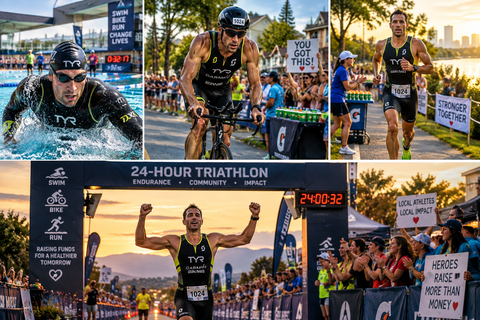
Training for a triathlon isn't just about running more miles or swimming extra lengths — it's about balancing three distinct sports, each with its own techniques, equipment, and energy demands. A late client meeting, an urgent work email, or a social commitment that genuinely matters can all interfere with a rigid training schedule. These aren't excuses; they're part of being an athlete with a full life outside of sport.
Rigid schedules breed guilt and inconsistency, while flexible structures foster good habits. The key is finding a training approach that adapts to your real life rather than demanding you reshape your life around it.
Featured Pick: Peloton Bike+
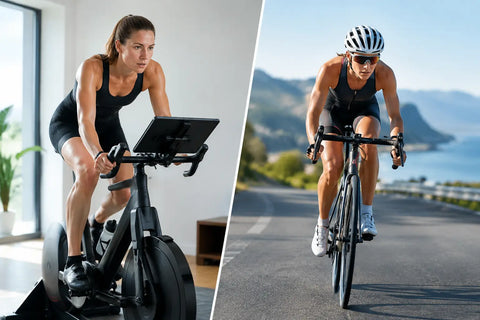
The Peloton Bike+ directly addresses the cycling component of triathlon training with live and on-demand classes that fit any schedule. Its rotating screen gives access to pilates, strength training, and flexibility work — not just cycling. The Peloton app extends beyond the bike to include running workouts and cross-training content for well-rounded race preparation.
- Dedicated cycling classes tailored to race preparation
- Rotating screen for pilates, yoga, and strength training access
- Peloton app includes running and strength workouts
- On-demand options mean training fits your schedule, not the other way around
A training tool that adapts to your life is worth its weight in gold — far more than a perfect plan you can't realistically stick to. Structure matters, but only when it's sustainable.
The Golden Rule: Never Race in Brand New Gear
Before race day arrives with your shiny new kit, one piece of advice stands above all others: test everything first, no exceptions. Getting a great outfit ready is part of the fun of race preparation — but wearing brand new gear on race day is a risk that experience will teach you to avoid.
What to Test and Why
| Gear | What to Test For |
|---|---|
| Trisuit / Tri set | Comfort across all three sports; check for chafing; drying time post-swim |
| Shoes | Fit and comfort during the run; performance after cycling |
| Wearable | Comfort during extended wear; ease of app setup and data accuracy |
| Full transition sequence | Practice going through swim → bike → run in your actual race gear |
- Test each sport individually in your race gear
- Complete at least one full mock triathlon or brick workout using your entire kit
- Identify any friction points — both literal and psychological — before race day
- Use this testing period to build genuine confidence in your equipment
Knowing your gear works flawlessly reduces stress when the race starts. Confidence in your equipment frees up mental space for what matters most: racing well.
Putting It All Together: Your 4-Step Race-Day Gear Strategy
1. Invest in tri-specific clothing first. A quality trisuit or tri set resolves many common issues — smooth transitions, enhanced comfort, and no awkward mid-race changing.
2. Choose versatile shoes that match your skill level. You don't need clip-in cycling shoes to race well. A lightweight running shoe that moves you efficiently from the bike to the finish line is a smart, practical choice.
3. Pick a wearable you'll actually wear. Aesthetics matter — if you like how something looks, you're far more likely to use it consistently, and that consistency generates better training insights.
4. Find a training platform that fits your real life. Flexibility is a feature, not a compromise. A training ecosystem that adapts to your schedule builds the consistency needed for real improvement.
And above all else: test everything before race day. Seriously.
The Bigger Picture: Triathlon Is for Everyone
Triathlon has long carried an intimidating reputation — an elite sport for a select few with unlimited time, money, and athletic ability. That perception is outdated. Today's tri community is filled with working professionals, parents, weekend warriors, and first-timers who are proving that crossing the finish line is about preparation, not perfection. The right gear, worn and tested in advance, puts that finish line within reach for anyone willing to train for it.
Frequently Asked Questions
What should I wear for a triathlon?
For a triathlon, it's best to wear a trisuit or tri set that allows for quick transitions between swimming, cycling, and running. These outfits are designed to be breathable and quick-drying to minimize discomfort during the event.
What kind of shoes are recommended for triathlons?
While professional triathletes often use specialized clip-in cycling shoes, everyday triathletes can stick to comfortable running shoes. Find a pair that offers a good grip and cushioning, facilitating smooth transitions from biking to running.
How can I effectively train for a triathlon?
Training for a triathlon requires balancing sessions for swimming, cycling, and running. Consider using resources like a training app or hiring a coach if possible, especially for beginners. Flexibility in your schedule can also help you manage your training around daily commitments.
What gear should I invest in for triathlon training?
Investing in a good trisuit, comfortable shoes, and a reliable fitness tracker can enhance your training experience. Additionally, a bike optimized for endurance and stability will be essential for cycling sessions.
How important is it to practice in my race-day gear?
Practicing in your race-day gear is crucial. Familiarity with your clothing and equipment can prevent discomfort and ensure optimal performance on race day. Avoid wearing any new gear in the race without prior testing.