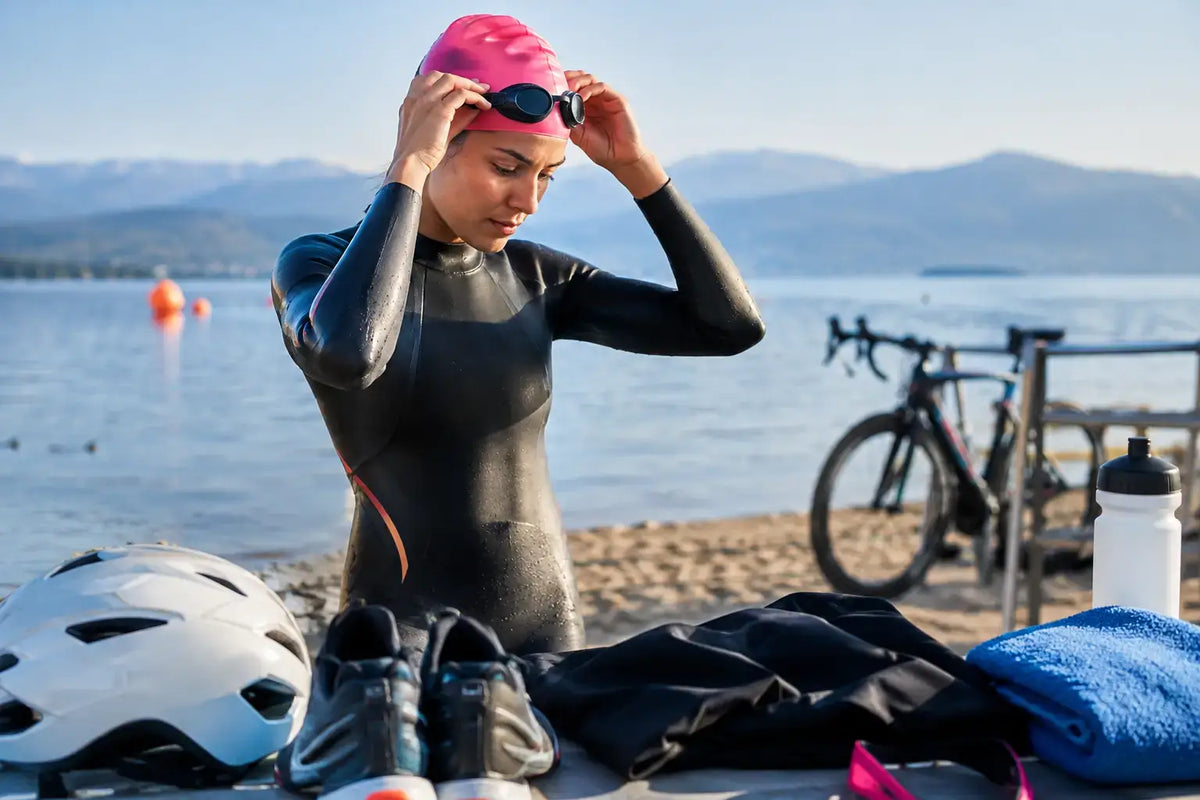
The finish line is decided long before the starting horn. For a first-time triathlete, race-day stress usually does not come from the distance - it comes from searching for goggles, second-guessing nutrition, or realizing too late that the bike is missing a required item. This best triathlon race day checklist turns race morning into a controlled routine, so you can focus your energy on swimming, riding, and running with confidence.
Every event has its own rules, transition layout, weather conditions, and aid-station plan. Your athlete guide always comes first. Use this checklist as your personal framework, then adjust it for the specific race in front of you.
Build your race plan before you pack
Do not start by throwing gear into a bag the night before. Start with the course. Confirm the race start time, transition opening and closing times, parking plan, packet pickup requirements, bike drop-off rules, cutoff times, wetsuit policy, and expected weather. If you are racing in Mexico, also check the heat forecast, humidity, wind, and road conditions. A cool early swim can quickly become a hot, exposed run.
Write down three practical targets: when you will arrive, when you will eat breakfast, and when you will begin warming up. These decisions remove friction when nerves are high. If your race has a point-to-point bike course or separate swim and finish locations, confirm transport before race morning rather than relying on a last-minute solution.
Your packing process should follow the order of the race: pre-race essentials, swim, bike, run, recovery. Place small items in clear bags or pouches. It is a simple system, but it prevents the common mistake of having all the right gear somewhere in the car and none of it where you need it.
Best triathlon race day checklist: the night-before setup
The night before should feel boring. That is a good sign. Charge devices, prepare nutrition, check your bike, and get off your feet early. Avoid trying new foods, stretching routines, supplements, or equipment. Race day is not a testing ground.
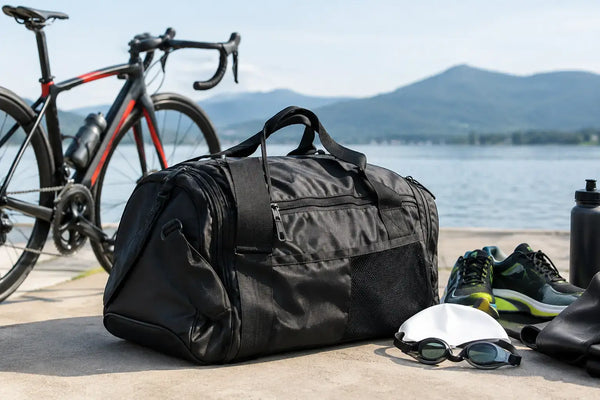
Pack these essentials in one race bag:
- Photo identification, race confirmation, wallet, phone, keys, and any required medical information
- Tri suit or race kit, timing chip and strap, goggles, swim cap if supplied, wetsuit if appropriate, and anti-chafe lubricant
- Bike, helmet, cycling shoes, sunglasses, race belt, bottles, flat-repair kit, pump, spare tube or tubeless repair tools, and nutrition
- Running shoes, socks if you use them, hat or visor, sunscreen, and any prescribed medication
- Post-race clothes, towel, sandals, recovery food, and a dry layer for travel home
Check your bike with a calm, systematic eye. Inflate tires to a pressure that suits your tire width, road surface, body weight, and weather. Higher pressure is not automatically faster or safer, especially on rough pavement. Spin both wheels, test the brakes, shift through the gears, and make sure bottles are secure. If something needs a major repair, address it before leaving home or use the official bike support area early.
Pin your bib if the event requires it, attach your race belt, and put nutrition where you plan to carry it. Small preparation choices save minutes in transition and, more importantly, reduce mental noise.
Race morning: arrive early, then slow down
Aim to arrive with enough time to park, collect your materials if necessary, set up transition, use the restroom, and absorb one unexpected delay. For many races, that means arriving when transition opens or close to it. The goal is not to rush through setup. The goal is to have time to think.
Eat the breakfast you practiced in training. The exact amount depends on your race distance, start time, and personal tolerance, but familiar food beats theoretically perfect food. Sip fluids steadily rather than forcing large amounts of water at once. If you use caffeine, follow the same timing and dose that worked in training.
Once in transition, rack your bike exactly where assigned and identify the landmarks around your spot. Count rows from the bike-in and bike-out points. Notice the route from swim exit to your bike, then from your rack to run-out. Walk it if the venue permits. That short investment can prevent a disoriented transition when your heart rate is high.
Lay out only what you need. Open cycling shoes if they will be on the ground, place your helmet upside down with sunglasses inside, and position your race belt and running shoes in a clear order. Keep your area compact. A tidy setup is faster and more respectful of the athletes beside you.
Before leaving transition, perform a final helmet check. Your helmet must be fastened before you touch or un-rack the bike, and it must stay fastened until your bike is racked after the ride. This is one of the easiest penalties to avoid.
The race-day checklist for each discipline
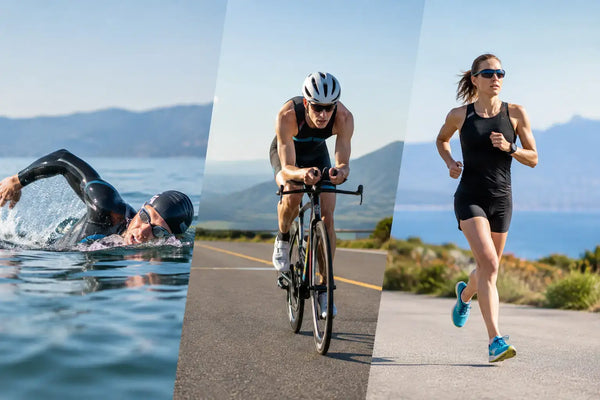
Swim: protect your calm
Put on your timing chip, apply anti-chafe lubricant where you need it, and test your goggles before heading to the start. If the water is cold and a wetsuit is allowed, use the suit you trained in. If you have never swum in a wetsuit, race day is not the time to learn how it affects breathing and shoulder movement.
Seed yourself honestly. Faster swimmers belong at the front, while newer swimmers are usually better positioned to the side or toward the back. A slightly longer line with clear water is often faster than fighting through a crowded center. Start controlled for the first few minutes. Find your breathing rhythm, sight regularly, and let the race settle.
Bike: settle into your effort
At T1, put on and fasten your helmet before un-racking the bike. Move carefully to the mount line, where you can get on and begin riding. The first few minutes are for settling down, not chasing athletes who sprint past you.
Use the fueling plan you practiced. For a sprint triathlon, you may need little more than water and a small source of carbohydrate depending on duration and conditions. Olympic, half-distance, and long-course racing require more deliberate carbohydrate, fluid, and sodium planning. Heat increases fluid and sodium loss, but drinking beyond your thirst without a plan can create problems too. Match intake to your training experience, race duration, and aid-station availability.
Ride your own effort. On a rolling course, avoid hard surges on every climb. On a windy course, stay patient and aerodynamic when it is safe to do so. Save enough control for the run. A bike split that feels impressive but leaves you unable to run is rarely a strong race.
Run: begin with discipline
Rack your bike before removing your helmet. Then put on your shoes, take what you need, and leave transition without unnecessary delay. The first kilometer can feel awkward after cycling, especially for beginners. Shorten your stride, relax your shoulders, and let your legs adapt.
Use aid stations strategically. A quick drink, water over the head, or ice in a cap can make a meaningful difference in warm conditions. Walk breaks can also be a smart performance tool, not a failure. If you are racing a first Olympic distance or longer event, a planned 20 to 30 seconds through an aid station may keep your pace steadier than pushing until you fade.
Make decisions that protect your race
The best checklist does not eliminate every problem. It gives you a response when conditions change. Goggles fogging? Pause briefly and clear them rather than panicking. Flat tire? Follow the repair process you practiced, then reassess whether continuing is safe. Stomach discomfort? Back off intensity, take small sips, and avoid forcing calories. Feeling unusually dizzy, confused, or unwell? Stop and seek medical support.
Measure success by execution, not only by finishing time. For a first triathlon, a well-managed transition, steady bike effort, and controlled run are meaningful wins. They are also the skills that make your next race faster.
After you cross the line, keep moving gently, hydrate, eat something familiar, and put on dry clothes when possible. Then take a moment to notice what worked. The confidence you want for your next start line is built from those specific lessons, one prepared race day at a time.
 Dec 6, 2026IRONMAN 70.3 Veracruz
 Dec 6, 2026IRONMAN 70.3 Western Australia
 Dec 11, 2026IRONMAN 70.3 Bahrain
 Dec 11, 2026Qatar T100
 Dec 13, 2026IRONMAN 70.3 Florida
 Dec 13, 2026IRONMAN 70.3 Puerto Varas