
Triathlon newsletter for beginners
Your first triathlon does not become intimidating because of the swim, bike, or run alone. It becomes intimidating when every search produces a different training plan, gear list, nutrition rule, and race-day warning. A triathlon newsletter for beginners should reduce that noise. Its job is to give you the next useful decision, not another hundred things to worry about.
For a new athlete, a good email can be more practical than another saved social post. It arrives with context, follows your progression, and helps you focus on what matters this week: building consistency, selecting a realistic event, learning one skill, or preparing for a session without overspending on equipment.
What beginners need from a triathlon newsletter
The best beginner guidance is structured around readiness, not hype. You may be motivated by a dramatic finish-line video, but motivation does not tell you whether a sprint triathlon in eight weeks is a smart target. Clear information does.
A useful newsletter should help you understand the relationship between your current fitness, available training time, chosen race distance, and confidence in open water. If you can comfortably run 5K but have not swum freestyle for more than a few minutes, your biggest opportunity is probably not harder run workouts. It is learning to swim efficiently and calmly.
That is why weekly communication should cover the full picture. Training advice matters, but so do race discovery, equipment decisions, recovery, fueling, and the logistics that catch first-timers off guard. A transition area can feel chaotic only when it is unfamiliar. Once you know what to expect, it becomes a sequence of simple tasks.
The tone matters too. Beginners do not need to be treated as fragile, but they should not be pushed into long-course thinking before they have built short-course habits. A well-designed newsletter respects ambition while giving it a sensible timeline.
Training guidance that fits real schedules
Most aspiring triathletes are balancing training with work, family, travel, and limited recovery time. Advice that assumes two workouts every day is not helpful if you can reliably train five or six hours per week. For many first sprint-distance athletes, consistency across three disciplines beats occasional heroic training weeks.
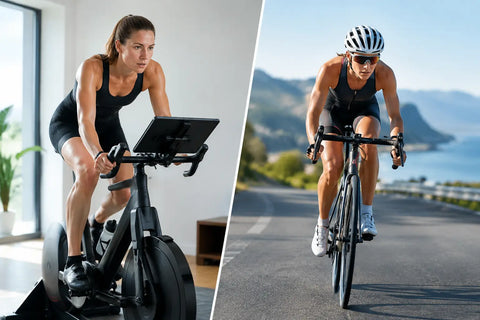
Look for guidance that explains the purpose of a session. An easy bike ride builds aerobic capacity without the impact of running. A short brick session - cycling followed by a brief run - teaches your legs the unfamiliar transition between disciplines. Technique-focused swim sessions can improve efficiency faster than simply adding laps.
The details should remain flexible. If you have a background in cycling, your plan may need more swim practice. If you are a capable swimmer but new to running, gradual run volume and injury prevention deserve more attention. A newsletter should offer a framework you can adapt, rather than pretending one schedule works for everyone.
How a triathlon newsletter for beginners creates momentum
Training plans are useful, but many people struggle before the plan even begins. They cannot decide which race to enter, what gear is truly necessary, or whether they are ready to commit. Good communication turns those vague questions into small, manageable actions.
One week, that might mean choosing between a pool-based and open-water swim. The next, it could mean practicing how to put on your helmet before touching your bike. These are not glamorous milestones, but they build the competence that creates confidence.
A strong newsletter also knows when not to add more. If your work week is demanding, an email that tells you how to protect two key sessions may be more valuable than one that introduces a complex new workout. Progress is rarely about finding the perfect plan. It is about executing a realistic one for long enough to see change.
Race selection without the guesswork
Your first race should challenge you, not overwhelm you. Sprint triathlons are often the best entry point because the training load is manageable and the race format lets you learn quickly. But sprint distance is not automatically easy. A cold open-water swim, hilly bike course, or hot run can change the experience significantly.
Event guidance should explain the details behind the race label. Check the swim format and water conditions, bike elevation, course cut-off rules, transition setup, climate, and travel demands. A nearby event with a calm swim and a simple course may serve your development better than a more famous race that requires expensive travel and introduces unnecessary stress.
For athletes in Mexico, that can mean looking beyond distance alone. Heat, altitude, road surface, and access to open-water practice can all influence preparation. Choose an event that matches the training environment you can realistically create, then build from there.
Gear advice that protects your budget
Triathlon can look equipment-heavy, especially when experienced athletes discuss carbon wheels, power meters, wetsuits, and aero upgrades. None of those items need to define your first race.
The essentials are straightforward: swimwear suited to the race conditions, goggles that do not leak, a safe and reliable bike, a helmet, comfortable running shoes, and clothing you can move in. The best beginner bike is often the bike you already own, provided it fits reasonably well and is mechanically sound.
A newsletter earns trust when it separates useful purchases from optional upgrades. A basic bike service, a properly fitted helmet, and a few practice nutrition sessions can have a bigger impact than a costly race accessory. If you expect cold open water, a wetsuit may be worth considering. If your event is a warm pool swim, it may not be relevant at all.
Use email advice as a weekly training checkpoint
A newsletter only works if it helps you act. Avoid treating it as entertainment that you read between meetings and forget by lunch. Give it a small role in your week.
When an email arrives, spend five minutes identifying one action. Add a swim session to your calendar. Register for a local race. Check your tire pressure before the weekend ride. Practice breakfast before a longer workout. If the advice does not apply to your current stage, save it for later rather than forcing it into your plan.
It also helps to track a few simple signals: sessions completed, how your body feels, confidence in the water, and whether your schedule remains sustainable. Metrics can support progress, but beginners do not need to measure everything. A missed workout is data, not failure. It may tell you that the week was overloaded, your recovery was poor, or your plan needs adjustment.
TriLaunchpad approaches this progression as a connected journey: discover an appropriate event, assess your readiness, train with purpose, and make better decisions as your goals grow. That approach is more useful than treating each discipline as a separate problem.
The signs an email is creating more pressure than progress
Not every newsletter deserves space in your inbox. Be careful with advice that creates urgency without explaining why, promises dramatic results, or makes you feel behind before you have started. Triathlon rewards patience. No weekly email should convince you that a single missed workout erased your fitness.
Also be cautious of content that constantly sells solutions to problems you do not have. A beginner does not need every product, every data metric, or a new training method each month. Good guidance makes decision-making easier. If every message adds another purchase or another concern, it is probably not serving your progress.
The right triathlon newsletter for beginners should leave you clearer than before you opened it. You should know what to train, what to ignore, and what one decision moves you forward. Start there, repeat the basics, and let confidence become something you have earned session by session.