Why Timing Matters in Triathlon Racing
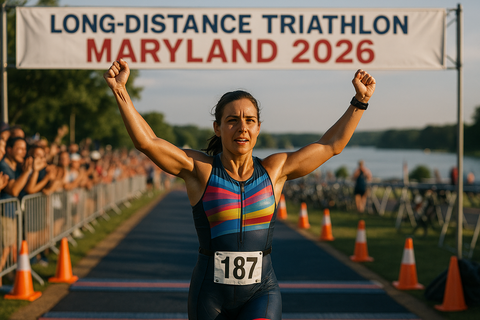
The comeback of long-distance triathlon racing in Redding, California highlights a key lesson for every athlete: the month you race can have just as much impact as your training.
The Heat Factor — Why It Matters
Let's talk about a number that might make you cringe: 101°F. This was the average high temperature in Redding during August 2026 — a heat level that can severely affect your performance and well-being. Northern California's Sacramento Valley is notorious for its summer heat, and Redding is right in the thick of it.
Now, flip the calendar to May 2027. During this time, the average high is a much more manageable 88°F. That's a 13-degree difference, and in endurance racing, that's significant. It can mean the difference between simply competing and battling for your health.
When core body temperature rises above approximately 104°F (40°C), performance begins to decline. Racing in the heat means your body has to work harder to both keep moving and cool down. Every extra degree of heat adds to that struggle.
Why Race Organizers Are Thinking About Temperature
Shifting a long-distance triathlon race from August to May isn't just about changing a date — it's a smart, athlete-centered decision that reflects the sport's dedication to safety and performance.
Race directors have a monumental task. They're not just mapping out a course; they're overseeing thousands of athletes competing for 8 to 17 hours in unpredictable conditions. When the temperature climbs above 95°F, the need for medical assistance goes up, DNF (Did Not Finish) rates increase, and overall finish times take a hit.
Moving the race to May helps in several important ways:
- Lowers the risk of heat-related issues for all competitors, especially those who are newer to the sport.
- Enhances average finish times, creating better experiences and stronger positive feedback.
- Makes it easier on volunteers and spectators — being outside in 101°F is tough on everyone.
- Links well with athlete training schedules, allowing for a natural progression from winter base building to spring peak performance.
This level of thoughtful scheduling is something every triathlete — whether eyeing their triathlon race suit or seasoned competitors — should consider when picking their goal races.
What Does 88°F Mean for Your Race Plan?
Let's be clear: 88°F is still warm. Don't get too comfortable just because the forecast looks better. May in Redding can be hot, with intense sun and low humidity — both of which make dehydration a real risk. Temperatures can also rise rapidly once the clock hits 10 a.m.
For those targeting the Redding event or any late-spring race in warm areas, here's how to prepare smartly:
Get Acclimatized to the Heat
Your body needs 10–14 days to adjust to warmer conditions. This means planning training when it's hotter during the day, spending some time in saunas after workouts, or doing shorter runs while wearing extra layers. Start this acclimatization process 3–4 weeks before race day, not just the week before.
Hydration Starts Before Race Day
To perform well in the heat, you need to arrive hydrated — and that process begins the morning before the race. Use light-colored urine as your hydration gauge. On race day, it's crucial to balance electrolytes instead of just focusing on water intake; drinking too much plain water can lead to dangerously low sodium levels.
Adjust Your Pace — You'll Thank Yourself
One of the biggest mistakes in hot conditions is going out too fast based on your usual pace in cooler weather. Plan for a 5–10% slowdown in pace for the bike and run, treating this adjustment as a smart strategy rather than a failure. Those who ease into the heat early typically finish ahead of those who don't respect the conditions.
Choose Your Gear for the Heat
Light-colored, breathable race kits are essential. Also, ensure your helmet has good ventilation. Using ice in your hat and on your body at aid stations isn't just for elite athletes — it can help everyone finish strong. Shop for well-reviewed race day gear and race season essentials to ensure you're ready for the warmth.
Why Redding is a Great Race Location
Beyond the temperature, Redding serves as an appealing race destination, especially for athletes traveling from around the Western United States and increasingly from Latin America and Mexico, where long-distance triathlon is growing in popularity. The Sacramento River and beautiful Shasta region offer breathtaking views. The terrain is friendly for age groupers yet challenging enough to make achieving fast times a satisfying endeavor.
Additionally, Redding's smaller city setup means managing logistics — like parking and transitions — tends to be less daunting than in larger cities. If you're coming in from out of state or internationally, plan your travel arrangements in advance to streamline your experience.
The Key Lesson: Be Strategic with Your Race Calendar
The Redding scenario underscores a vital principle: your race calendar should be viewed as a critical coaching tool, not just a list of events. Consider how the month you race affects your overall season arc.
- Your training regimen (winter base leading into a spring peak works well)
- Your gearing and nutrition strategies (hot racing calls for different fueling than cooler races)
- Your recovery timeline (August events can leave you burnt out heading into fall, while May races might allow for a second peak)
- Your overall racing experience — which, believe it or not, plays a significant role in performance.
Whether you're signing up for your first sprint triathlon or aiming for a major long-distance race, research historical weather conditions for your chosen events. This information is publicly available and crucial for your planning.
Key Takeaways
- The decision to move the long-distance triathlon in Redding to May 2027 signifies an essential step forward — from an average high of 101°F in August to a cooler 88°F in May, impacting safety and performance for all athletes.
- Recognize temperature as a variable you can prepare for through acclimatization, pacing adjustments, hydration, and smart gear choices.
- Timing your race deserves as much consideration as your training load. When you aim for your goal race can shape your overall season.
- 88°F still poses heat challenges — respect it, be ready for it, and use it as motivation to race smarter.
Whether you are gearing up for a warm-weather long-course event or looking for your first race kit, explore curated collections for triathlon training gifts and race season essentials — and gear up properly, regardless of the heat.
It's going to be a warm race. Your preparation doesn't have to be.
Frequently Asked Questions
Why can't I access this page?
Access to this page is currently restricted. This could be due to various reasons such as maintenance, permissions, or other technical issues.
What should I do if I believe this is an error?
If you believe this restriction is an error, please try refreshing the page later or contact support for assistance.
How can I contact support?
You can typically find contact information for support on the website's main contact page or by navigating to the help section.
Source: Redding.com — Long-distance triathlon in Northern California slated for May 2027