Back Mountain Triathlon at Harveys Lake: 300+ Athletes Take on One of Pennsylvania's Most Beloved Endurance Events
What happens when over 300 athletes gather at a serene lake in Pennsylvania's Back Mountain? Pure, unfiltered endurance sport — a celebration that proves triathlon is more than a race. It's a thriving community.
When the Water Calls, They Answer
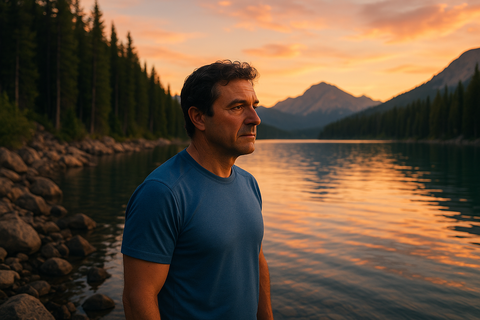
Imagine a Sunday morning at Harveys Lake in Luzerne County, Pennsylvania. The air is fresh, with mist gently rising from the still water. Then, one by one, over 300 athletes dive in. The next several hours test every participant's readiness, determination, and mental strength.
That's the essence of the Back Mountain Triathlon — a cherished endurance event in northeastern Pennsylvania that reminds us why so many fall in love with the sport. Whether you're a seasoned multisport enthusiast or someone quietly asking, Could I actually do something like that? this event offers valuable lessons for everyone.
What Is the Back Mountain Triathlon?
A triathlon combines three consecutive disciplines: open-water swimming, cycling, and running. Athletes move from one discipline to the next with minimal breaks in designated transition areas. The Back Mountain Triathlon centers on Harveys Lake — the largest natural lake in Pennsylvania — for its swim leg, while the bike and run courses wind through the scenic hills of Luzerne County.
Triathlon is more than a race; it's a true test of how well different training systems come together under real pressure.
By the Numbers: A Race That's Growing
This edition of the event drew over 300 registered competitors — a testament to the race's strong reputation and the growing enthusiasm for endurance sports across the country. Local events like this attract a genuinely diverse field:
- First-timers checking off a significant milestone
- Experienced age-groupers chasing personal bests
- Recreational athletes who train for the joy of movement
- Community members united by a shared challenge
Events of this size also boost the local economy — benefiting lodging, restaurants, bike shops, and gear stores — making them a win for the entire region, not just the athletes on the start line.
The Three Disciplines: What Athletes Actually Face
The Swim: Open Water at Harveys Lake
Open-water swimming can unsettle first-time triathletes — and for good reason. Unlike a pool, lakes offer no lane markings, visibility can shift, and hundreds of bodies churn the water at the start. Swimmers at Harveys Lake face potential wind chop, cooler temperatures, and the challenge of navigating purely by sighting. Wetsuits are common and typically permitted based on water temperature.
Pro tip for beginners: Practice in open water before race day. Just two or three sessions can significantly reduce anxiety and sharpen your efficiency.
The Bike: Climbing Through Back Mountain
Once athletes emerge from the water, they hustle to Transition 1, swapping swim gear for helmets and cycling shoes before hitting the road. Luzerne County's rolling terrain demands pacing discipline — start too aggressively and you'll pay dearly on the run. The bike leg is often the longest segment, making controlled effort essential.
The Run: The Final Test of Will
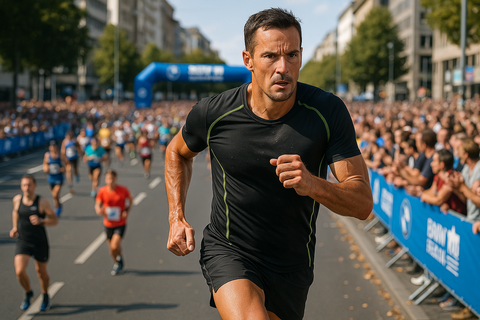
The run is where races either come together or fall apart. After swimming and biking, your legs have already logged serious work and must now adapt to a completely different movement pattern. First-timers often experience "brick legs" — a heavy, unfamiliar stride — but most athletes find their rhythm within the first half-mile. The Back Mountain run course winds through local trails, lined with community members cheering athletes toward the finish.
Mental hack: Break the run into thirds. Instead of fixating on the finish line, focus on reaching the next landmark — it keeps the mind manageable and the legs moving.
Who Actually Shows Up to Race?
One of the most inspiring aspects of local triathlons is the sheer diversity of participants. At the Back Mountain event you'll find athletes aged 18 to 70+, first-timers who spent months preparing, veterans still chasing improvement, and athletes returning from injury proving their resilience. While triathlon can seem elite and expensive, local events like this one are genuinely accessible — many competitors travel just 30 to 90 minutes, and the community atmosphere makes it welcoming even for those intimidated by larger races.
Could You Do This? Triathlon for Beginners
Here's the question many people are privately asking: Could I do this? The answer is a resounding yes — with the right preparation.
A Realistic Training Timeline
Most coaches recommend 12–20 weeks of structured training for a first sprint or Olympic-distance triathlon. Here's a simplified roadmap:
| Phase | Duration | Focus |
|---|---|---|
| Base Building | Weeks 1–4 | Establish swim, bike, and run habits |
| Volume Growth | Weeks 5–10 | Increase weekly training hours; add brick sessions |
| Race-Specific | Weeks 11–16 | Practice transitions and nutrition strategies |
| Taper | Final 1–2 weeks | Reduce volume; focus on rest and sharpening |
Essential Gear Without Breaking the Bank
You don't need a $5,000 bike to finish your first triathlon. Here's what truly matters:
- Swim: Goggles, swim cap (often provided at registration), wetsuit if it's cold
- Bike: A reliable road or hybrid bike, helmet (mandatory), cycling shoes optional for first-timers
- Run: Running shoes you've already trained in
- Transition: Towel, race belt, sunglasses, and your nutrition plan
Many newcomers complete their first race for under $500 in total gear — especially when they already own a bike.
Race-Day Nutrition Strategy
Hydration and nutrition are the most overlooked variables for beginners. Follow these core principles:
- Never try anything new on race day. Train with your nutrition plan first.
- Eat a light, familiar breakfast two to three hours before the start.
- Carry gels or electrolyte chews on the bike for races longer than 45 minutes.
- Hydrate at every aid station on the run, even when you don't feel thirsty.
The Transition Area: Where Races Are Won and Lost
New athletes consistently underestimate how much time evaporates in transitions. T1 (swim-to-bike) and T2 (bike-to-run) are scoreable race segments that reward practice. A few habits make an outsized difference:
- Rack your bike and memorize its location relative to a fixed landmark
- Lay out gear in order of use — swim exit on the left, run prep on the right
- Practice fastening your helmet and pulling on shoes with wet hands
- Stay on your feet — standing transitions are almost always faster
The Bigger Picture: Why Local Triathlons Matter
Events like the Back Mountain Triathlon are more than athletic competitions — they're community anchors. They draw volunteers, spectators, local businesses, and athletes into a shared experience that feels increasingly rare. For Luzerne County, Harveys Lake provides a stunning natural venue for this celebration of endurance. The cheers from families, the camaraderie in the transition area, and the beauty of the surroundings create memories that outlast any finishing time.
For the athlete balancing work, family, and a drive to prove something to themselves, local triathlons often represent the perfect starting point — competitive enough to feel meaningful, accessible enough to actually show up.
Your Next Steps: From Spectator to Competitor
Whether this is your first time hearing about the Back Mountain Triathlon or you've watched from the sidelines and quietly wanted in — here's how to take action:
- Start training now. You don't need a race on the calendar to begin building swim, bike, and run fitness.
- Find your local tri club. Clubs offer coached workouts, gear guidance, and community for a reasonable annual fee. USA Triathlon's website includes a club finder by zip code.
- Gear up smart. Explore curated triathlon race-day essentials so you have what you need without overspending.
- Register for a race. Committing to an event transforms casual exercise into focused preparation. Sprint-distance races make an ideal first goal.
- Volunteer first if you're not ready to race. Few experiences will motivate you more than watching 300 athletes cross the finish line from just a few feet away.
Final Thoughts: 300 Athletes, One Shared Journey
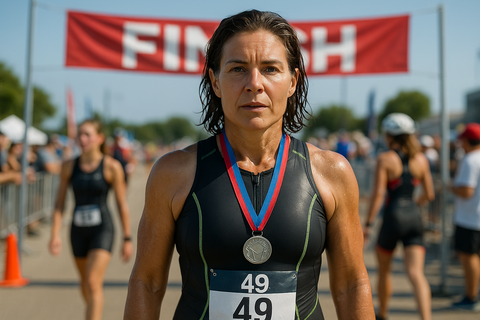
The Back Mountain Triathlon at Harveys Lake proves that endurance sport thrives at the local level. Three hundred athletes — each carrying their own story, training struggles, and personal goals — tackled the open water, climbed Pennsylvania's hills, and ran toward a finish line together.
That's not just athletics. That's a community worth being part of. Start with one workout today — a swim, a ride, or a run — and let that first step lead somewhere extraordinary.
Have you participated in the Back Mountain Triathlon or a local endurance event? Share your story in the comments — we'd love to hear what keeps you coming back for race day.
Source: 2822news.com — Over 300 Athletes Compete in Back Mountain Triathlon
Frequently Asked Questions
Why am I seeing a message about Javascript being disabled?
This message indicates that your browser has Javascript disabled, which is required for the website to function properly. Enabling Javascript will improve your browsing experience.
How can I enable Javascript in my browser?
You can find instructions on how to enable Javascript in various browsers by visiting the provided link: https://instructions.humandemo.zone/enablejavascript.html.
What should I do if I encounter issues with Javascript?
If you experience any issues after enabling Javascript or have any other problems, please contact us at challengehelp@humansecurity.com for assistance.
What information should I provide when contacting support?
When contacting support, please provide a detailed description of the issue, along with your Client IP address and the timestamp of when the issue occurred. This information will help us assist you more effectively.