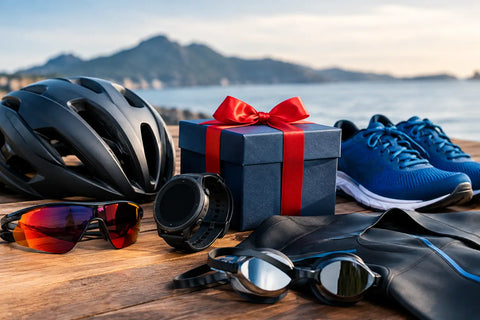
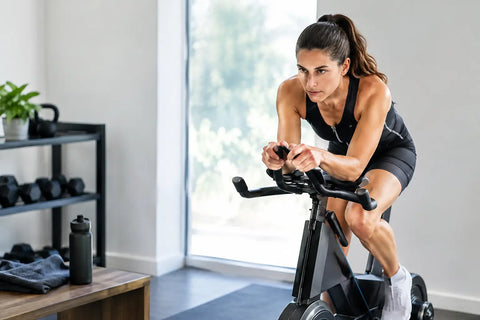
Traje de triatlón vs ropa de ciclismo — Qué ponerte el día de carrera
Lo que uses puede hacer que la transición se sienta controlada o caótica. En la decisión entre traje de triatlón y ropa de ciclismo, la respuesta correcta casi siempre tiene menos que ver con parecer un atleta experimentado y más con proteger tu comodidad, tu tiempo y tu concentración a lo largo de la natación, la bici y la carrera.
Para la mayoría de los triatletas que compiten por primera vez, el traje de triatlón es la opción más sencilla el día de carrera. Pero la ropa de ciclismo sigue teniendo su lugar en el entrenamiento, en ciertos formatos de carrera y para atletas que necesitan mayor comodidad sobre la bici. La clave está en entender qué te exige cada opción cuando estás mojado, cansado y corriendo contra el reloj.
Traje de triatlón vs ropa de ciclismo: la diferencia fundamental
El traje de triatlón está diseñado para las tres disciplinas. Lo usas debajo del traje de neopreno si lo llevas, nadas con él, pedaleas con él y corres con él. Su tela seca rápido, su acolchado es más delgado que el de los shorts de ciclismo, y su corte está pensado para mantenerse cómodo mientras la posición de tu cuerpo cambia a lo largo de la carrera.
La ropa de ciclismo suele ser un conjunto de culote o shorts con maillot. Está fabricada principalmente para pasar largos períodos en posición de pedaleo. El chamois es más grueso, el maillot ofrece más almacenamiento y el ajuste general puede sentirse más cómodo sobre la bici. Es excelente para entrenar en bicicleta, pero no es automáticamente el sistema más práctico para un triatlón.
La mayor diferencia está en las transiciones. El traje de triatlón elimina la necesidad de cambiarte de ropa entre disciplinas. La ropa de ciclismo puede obligarte a ponerte shorts y maillot después de nadar, y quizás a cambiarte de nuevo antes de correr. Eso cuesta tiempo e introduce más posibilidades de que algo salga mal: un maillot mojado que no quiere entrar, un cinturón de dorsal torcido o nutrición que se queda en un bolsillo equivocado.
Por qué el traje de triatlón suele ser la mejor opción para tu primera carrera
Las primeras carreras ya vienen cargadas de detalles nuevos: salidas en aguas abiertas, distribución de la transición, reglas de montaje en bici, ritmo, nutrición y la sensación desconocida de correr después de pedalear. Reducir decisiones es una ventaja de rendimiento.
El traje de triatlón te da una configuración consistente de principio a fin. Después de nadar, te quitas los goggles y el gorro, te pones el casco, los zapatos y el cinturón de dorsal si lo necesitas, y sales. En T2, cuelgas la bici, cambias de zapatos si hace falta y corres. Tu ropa ya está resuelta.
Esto importa todavía más en carreras de distancia sprint y olímpica, donde las transiciones pueden representar una parte significativa de tu tiempo total. Ahorrar dos o tres minutos es útil, pero mantener la calma suele valer más. Una transición fluida te ayuda a entrar en ritmo en el segmento de bici en lugar de salir persiguiendo el estrés desde los primeros minutos.
Los trajes de triatlón también secan más rápido de lo que mucha gente espera. Puede que te sientas húmedo al inicio de la bici, especialmente después de nadar sin neopreno, pero el flujo de aire y el calor corporal suelen encargarse de eso rápidamente. No esperes sentirte perfectamente seco. Apunta a sentirte funcional, sin restricciones y listo para moverte.
¿Traje de triatlón de una pieza o de dos piezas?
El traje de una pieza es aerodinámico y simple. Tiende a ajustarse al cuerpo, se mantiene en su lugar durante la natación y genera menos puntos de presión alrededor de la cintura. Es una opción sólida para atletas enfocados en la velocidad y en una configuración de carrera limpia.
El kit de triatlón de dos piezas puede ser más conveniente para ir al baño, algo que hay que considerar en serio en carreras de media distancia y distancia completa. Algunos principiantes también prefieren la flexibilidad de tener shorts y top por separado. La desventaja es que el top puede subirse o moverse durante la natación y la carrera si el ajuste no es el correcto.
No hay un ganador universal. Elige la opción que te quede bien y que puedas probar en entrenamiento antes del día de carrera.
Cuándo gana la ropa de ciclismo
La ropa de ciclismo sigue siendo la mejor herramienta para muchos entrenamientos en bici. Un acolchado grueso y firme puede hacer que las sesiones largas sean más cómodas, especialmente cuando eres nuevo en pedalear en una posición agresiva o estás acumulando volumen para un 70.3 o un IRONMAN. Los maillots de ciclismo también ofrecen bolsillos más grandes y de fácil acceso para comida, herramientas y una capa extra.
Para un entrenamiento enfocado en la bici, usa el equipo que te ayude a rodar bien. No necesitas entrenar con traje de triatlón en cada salida. De hecho, pasar el día entero con un chamois delgado de triatlón cuando no estás ensayando condiciones de carrera puede ser innecesario.
La ropa de ciclismo también puede tener sentido en un triatlón donde la comodidad en la bici es tu prioridad absoluta y las transiciones te importan menos. Algunos atletas se ponen shorts de ciclismo sobre su traje de baño en T1 y luego agregan un maillot. Esto está permitido en muchos eventos, pero es más lento y requiere práctica. Revisa el reglamento específico de tu carrera, porque las reglas sobre zonas de cambio, pudor y equipamiento varían según el organizador.
¿Qué debes evitar? No planees nadar con culote de ciclismo y maillot a menos que hayas probado exactamente esa combinación. Un chamois grueso puede absorber agua y sentirse pesado. Un maillot puede arrugarse bajo el neopreno, retener agua o tardar más en secar. Lo que se siente bien en una salida en seco puede volverse irritante durante varias horas de carrera.
La pregunta del chamois: comodidad en bici vs comodidad en carrera
El chamois es donde esta decisión se vuelve personal. Los shorts de ciclismo usan más acolchado porque los ciclistas permanecen sentados la mayor parte del tiempo. El traje de triatlón usa un pad más pequeño y ligero porque también necesitas correr sin sentir que llevas un pañal mojado.
Si estás compitiendo en un triatlón de distancia sprint, el pad del triatlón casi siempre es suficiente. El segmento de bici es relativamente corto, y tu capacidad de correr con libertad importa más que el máximo acolchado sobre la bici.
Para la distancia olímpica, la mayoría de los atletas se desempeña muy bien con un traje de triatlón, siempre que el sillín, el ajuste de los shorts y el volumen de entrenamiento estén bien calibrados. Si el segmento de bici te causa molestias importantes, no asumas que necesitas un chamois más grueso. Revisa la altura del sillín, su forma, la posición en la bici y si tus shorts son de la talla correcta. Un mejor ajuste suele resolver más que el acolchado extra.
Para carreras de larga distancia, la decisión merece más pruebas. Muchos atletas completan recorridos de 90 km o 180 km con un traje de triatlón sin problemas. Otros prefieren un short de triatlón de larga distancia con un poco más de acolchado. La solución no es automáticamente la ropa de ciclismo. Es un sistema que protege tu piel en la bici sin comprometer tu carrera a pie.
Usa crema antirroces donde la necesites, pero pruébala durante entrenamientos brick largos. El sudor, el agua salada, la lluvia y el movimiento repetido pueden cambiar cómo se sienten los productos y las telas. Nada en el día de carrera debe ser un primer experimento.
Bolsillos, nutrición y detalles prácticos
Un traje de triatlón moderno suele incluir bolsillos traseros, laterales o ambos. Para una carrera sprint, puede ser todo lo que necesitas para uno o dos geles. Para eventos más largos, evalúa tu plan de nutrición antes de elegir tu traje. ¿Puedes llevar suficientes geles? ¿Usarás almacenamiento montado en la bici? ¿Dependerás de las estaciones de avituallamiento en ruta?
Los maillots de ciclismo generalmente cargan más, pero tener más bolsillos no es automáticamente mejor. Los objetos sueltos pueden rebotar, ser difíciles de alcanzar o distraerte durante la carrera a pie. Construye tu plan de almacenamiento alrededor de lo que realmente vas a consumir, no de todo lo que podrías llegar a llevar.
Considera también las condiciones. En carreras con calor en México, un traje de triatlón de color claro y transpirable puede ayudarte a manejar el calor y la exposición al sol. Si tu evento empieza temprano y el segmento de bici puede ser fresco, unas mangas de brazo o una capa ligera pueden ser más útiles que optar por un maillot completo. En condiciones húmedas, prioriza telas que no se saturen y costuras que no rocen.
Cómo elegir tu equipo para el día de carrera
Toma la decisión con suficiente anticipación para ensayarla. Completa al menos un entrenamiento brick de natación-bici-carrera con la ropa que planeas usar en competencia. Si tienes acceso a práctica en aguas abiertas, prueba el traje debajo del neopreno también. Presta atención al movimiento de hombros en la natación, la comodidad sobre el sillín, si los bolsillos son accesibles y cualquier roce durante la carrera.
Tu equipo de carrera debe quedar ajustado sin restringir la respiración ni la rotación de hombros. Un traje que se siente ligeramente compresivo en seco puede sentirse bien una vez mojado, pero nunca debe pellizcar, jalar en el cuello ni dejar marcas profundas alrededor de las piernas. Si estás entre tallas, el ajuste y la movilidad importan más que el número en la etiqueta.
Para tu primer triatlón de distancia sprint u olímpica, elige un traje de triatlón si tu presupuesto lo permite. Entrena la mayoría de las salidas en bici con ropa de ciclismo si te resulta más cómodo, y luego usa sesiones brick específicas para adaptarte al pad más delgado del triatlón. Así tienes comodidad en bici durante el entrenamiento y simplicidad el día de carrera.
Si ya tienes shorts de ciclismo y compites con presupuesto ajustado, igual puedes terminar con confianza. Usa un traje de baño con el que te sientas cómodo corriendo, agrega tu ropa de ciclismo en la transición solo si lo has practicado, y acepta que el proceso tomará más tiempo. Llegar preparado vale más que comprar equipo que nunca has usado.
El mejor equipo es el que te permite salir de la transición enfocado en lo que sigue, no distraído por lo que llevas puesto. Pruébalo, confía en él y date el camino más sencillo hacia un primer gran resultado.