
Construye confianza en el triatlón
El momento antes de que empiece la natación en un triatlón puede hacer que un atleta bien entrenado se sienta principiante otra vez. Los goggles se empañan, los atletas se agolpan en el agua y tu mente empieza a repasar cada sesión que te saltaste. Aprender cómo construir confianza en el triatlón no se trata de fingir que nunca te pones nervioso. Se trata de acumular suficiente evidencia, preparación y perspectiva para que los nervios ya no decidan qué haces a continuación.
La confianza en el triatlón se gana de manera distinta que en un deporte individual. Necesitas confiar en tu cuerpo en tres disciplinas, manejar las transiciones, tomar decisiones bajo fatiga y desenvolverte en un ambiente de carrera que puede sentirse desconocido. La buena noticia: cada una de esas habilidades se puede practicar.
La confianza viene de la evidencia, no de la motivación
La motivación puede sacarte de la cama un lunes por la mañana. No puede llevarte de manera confiable a través de una salida en aguas abiertas, un circuito de ciclismo con viento o los kilómetros finales de una carrera. La confianza es más duradera porque viene de la evidencia: las sesiones que completaste, las habilidades que repetiste y los problemas que ya resolviste.
Esto cambia la pregunta de "¿Me siento listo?" a "¿Qué he hecho que demuestre que puedo con esto?" Un atleta que debuta en distancia sprint no necesita sentirse seguro de cada detalle. Necesita evidencia de que puede nadar la distancia con seguridad, pedalear con control, correr con las piernas cansadas y seguir un plan de carrera sencillo.
Lleva un registro de entrenamiento breve que capture más que el ritmo y la distancia. Después de las sesiones clave, escribe una oración sobre lo que salió bien y una cosa que aprendiste. Algunos ejemplos: "Me mantuve tranquilo después de tragar agua", "Practiqué beber mientras pedaleaba" o "Mantuve un esfuerzo fácil cuando mis piernas se sentían pesadas". En la semana de carrera, esto se convierte en un registro personal de capacidades en lugar de una lista de dudas.
Construye confianza en el triatlón reduciendo las incógnitas
La mayoría de la ansiedad previa a la carrera no es un problema de condición física. Es un problema de incertidumbre. Los principiantes suelen preocuparse por cosas que aún no han visto: la salida de la natación, el diseño de la transición, las reglas para subir a la bicicleta, el momento de la nutrición, las estaciones de avituallamiento o qué pasa si algo sale mal.
No necesitas eliminar cada incógnita. Sí necesitas identificar las que importan y convertirlas en un plan.
Elige una carrera que se ajuste a tu etapa actual
Una carrera para construir confianza no siempre es el evento más difícil que puedes terminar. Para un primer triatlón, una distancia sprint bien organizada con una natación manejable y una logística clara suele darte una mejor experiencia de aprendizaje que un evento más largo elegido solo por la medalla o el reto.
Analiza el circuito con ojo práctico. ¿La natación es en alberca, bahía tranquila, lago o río? ¿El recorrido de ciclismo es plano, técnico, expuesto al viento o con tráfico? ¿Cuáles son los tiempos límite? ¿Qué tan lejos está la transición del estacionamiento? Estos detalles afectan tu preparación y tu carga emocional el día de carrera.
Hay un equilibrio aquí. Un circuito que se siente demasiado fácil puede no retarte, pero uno que está muy por encima de tus habilidades actuales puede convertir la preparación en estrés constante. El evento correcto debe sentirse significativo, un poco intimidante y alcanzable con entrenamiento constante.
Ensaya las partes que generan pánico
La práctica específica hace que el día de carrera se sienta familiar. Si las aguas abiertas te preocupan, la condición física en alberca sola no lo resolverá. Programa varias sesiones en aguas abiertas donde las condiciones de seguridad lo permitan, idealmente con un compañero de entrenamiento o un grupo organizado. Practica entrar al agua, meter la cara, orientarte hacia adelante, nadar cerca de otras personas y calmar tu respiración después de un esfuerzo corto.
Si las transiciones se sienten caóticas, practícalas en casa. Coloca tu toalla, casco, zapatos, cinturón de dorsal y nutrición en el orden en que los usarás. Cronométrate una vez y luego deja de perseguir segundos. El objetivo real es una ejecución tranquila. Una transición fluida que toma 20 segundos extra es mejor que apresurarte, olvidar el casco o salir sin nutrición.
En la bicicleta, la confianza es en parte una habilidad de manejo. Practica frenar, tomar curvas, enganchar y desenganchar los pedales, beber, comer y pedalear con seguridad cerca de otros ciclistas. Si estás pasando de distancia sprint a olímpica o a 70.3, agrega sesiones que te enseñen a gestionar el esfuerzo y la alimentación en lugar de simplemente esforzarte más.
Entrena los cambios entre disciplinas
El triatlón no pregunta si puedes nadar, pedalear y correr por separado. Pregunta si puedes pasar de una disciplina a la siguiente sin perder el control de tu esfuerzo ni de tu pensamiento.
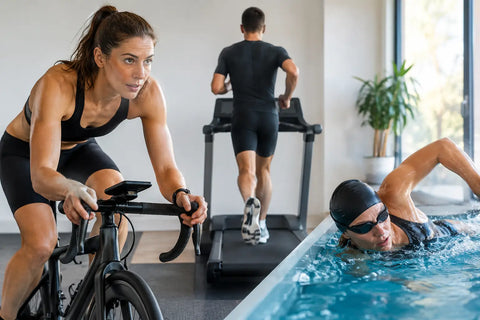
Los entrenamientos brick (bici + carrera) son útiles porque le enseñan a tu cuerpo que la sensación extraña después de la bicicleta es normal. Un entrenamiento brick corto de bici a carrera una vez cada una o dos semanas suele ser suficiente para atletas más nuevos. Empieza con un pedaleo fácil seguido de una carrera corta y relajada. Tus piernas pueden sentirse torpes los primeros minutos, pero esa es exactamente la lección: la sensación pasa.
No conviertas cada brick en una prueba. Las sesiones intensas tienen su lugar, pero demasiadas combinaciones exigentes pueden reducir la recuperación y hacerte sentir permanentemente atrasado. Usa la mayoría de los bricks para practicar el ritmo, la nutrición, el equipo y la compostura. Guarda el trabajo a ritmo de carrera para el momento adecuado en tu plan.
Establece metas de proceso que puedas controlar
El tiempo de llegada es emocionante, pero es una fuente débil de confianza cuando las condiciones cambian. El calor, el viento, las subidas, la congestión y los problemas mecánicos pueden afectar el reloj. Las metas de proceso te dan una mejor manera de medir el éxito.
Para tu próxima carrera, elige algunas acciones que puedas controlar. Puedes comprometerte a comenzar la natación a un esfuerzo sostenible, comer en la bicicleta según tu plan, mantener el primer kilómetro de carrera controlado y hablarte con indicaciones útiles cuando el esfuerzo aumente.
Un guion sencillo antes de la carrera puede mantener tu enfoque claro cuando los nervios son intensos:
- Nada fluido, respira largo, oriéntate temprano.
- Pedalea con paciencia, aliméntate de forma constante, mantente seguro.
- Corre controlado primero, luego acelera si puedes.
- Resuelve un problema a la vez.
Estas indicaciones funcionan porque reemplazan la presión vaga con una instrucción inmediata. No estás intentando conquistar toda la carrera de una vez. Estás ejecutando la siguiente decisión.
Usa la incomodidad como información, no como veredicto
El entrenamiento de triatlón incluye momentos incómodos. Tu respiración puede dispararse en aguas abiertas. Tu espalda puede tensarse en la bicicleta. Tu ritmo de carrera puede bajar en un día caluroso. Nada de esto significa automáticamente que estás fallando o que no estás preparado.
Aprende a separar la incomodidad normal de una señal de advertencia genuina. La incomodidad normal incluye el esfuerzo, la fatiga, los nervios y la duda temporal. Las señales de advertencia incluyen dolor agudo, mareos, dolor en el pecho, calambres severos o fatiga inusual que persiste. La confianza no significa ignorar tu cuerpo. Significa responder de manera inteligente en lugar de catastrofizar cada sensación difícil.
Después de una sesión difícil, evita la historia de todo o nada. En lugar de decir "no estoy listo", pregúntate qué afectó el resultado. ¿Dormiste mal? ¿La ruta tenía más subidas? ¿Empezaste demasiado fuerte? ¿No te alimentaste bien? Esta revisión genera mejores decisiones para la siguiente sesión e impide que un mal día se convierta en una identidad.
Haz que el día de carrera sea más pequeño antes de que se vuelva grande
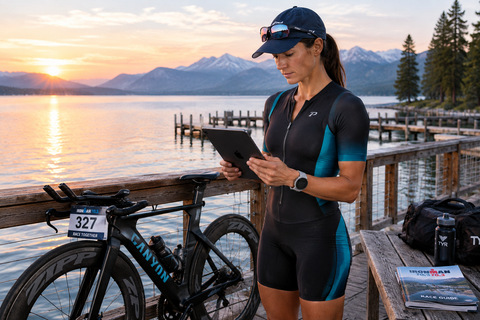
La confianza el día de carrera empieza varios días antes. Empaca tu equipo con anticipación y usa una lista de verificación, especialmente cuando viajes a un evento. Revisa tu bicicleta, carga tus dispositivos si los usas, prepara la nutrición que conoces y confirma tu transporte y hora de llegada. No experimentes con zapatos nuevos, suplementos, goggles o planes de ritmo agresivos la mañana de la carrera.
Llega con suficiente tiempo para moverte sin apuros. Recorre la transición, encuentra la entrada y salida de la natación, ubica tu bicicleta y observa dónde montarás y desmontas. La familiaridad reduce el estrés. Si puedes, visualiza los primeros cinco minutos de cada disciplina, no solo la línea de llegada.
El enfoque principiante-primero de TriLaunchpad es útil aquí: el progreso viene de organizar el camino en decisiones claras. La preparación del entrenamiento, el conocimiento del circuito y la preparación del equipo no son preocupaciones separadas. Juntas, crean un plan de carrera en el que puedes confiar.
Deja que la confianza crezca después de cada carrera
Tu primera carrera te enseñará cosas que el entrenamiento no puede. Quizás la natación fue más fácil de lo esperado pero la nutrición fue difícil. Quizás amaste la bicicleta y descubriste que necesitas más resistencia en la carrera. Eso no es un marcador de tu potencial. Es información valiosa para la siguiente línea de salida.
En las 48 horas siguientes, escribe qué repetirías, qué cambiarías y qué te sorprendió. Mantén la revisión objetiva y amable. Una carrera no necesita ser perfecta para ser un avance.
El atleta que construye una confianza duradera no es el que espera sentirse sin miedo. Es el que sigue apareciendo, practica lo desconocido y acumula evidencia de que puede adaptarse. Tu próxima sesión no es solo trabajo de condición física. Es otra razón para confiar en ti mismo cuando suene el cuerno de salida.