Ist Triathlon teuer für Einsteiger?
Ein erster Triathlon kann sich anfühlen wie eine Wand aus teurem Equipment: aerodynamische Räder, Carbon-Schuhe, Neoprenanzüge, Uhren, Ernährungsprodukte, Rennfotos. Aber ist Triathlon wirklich teuer für Einsteiger? Das kann er sein – wenn du versuchst, das Bild eines erfahrenen Athleten zu kaufen, bevor du deinen ersten Trainingsblock abgeschlossen hast. Für einen Sprintdistanz-Triathlon sind die tatsächlichen Einstiegskosten meist deutlich überschaubarer, wenn du trennst, was für die Sicherheit notwendig ist, von dem, was einfach schön wäre zu besitzen.
Das clevere Ziel als Anfänger ist nicht, ein Setup auf Profiniveau aufzubauen. Es geht darum, gut vorbereitet, entspannt und selbstbewusst genug an der Startlinie zu stehen, um den Tag zu genießen. Das bedeutet: ein paar gute Anschaffungen machen, vorhandenes Equipment nutzen und Upgrades so lange aufschieben, bis deine Erfahrung dir sagt, was wirklich hilft.
Ist Triathlon in Mexiko teuer für Einsteiger?
Für die meisten Erstlinge in Mexiko liegt ein realistisches Startbudget bei etwa MXN $8.000 bis $25.000, inklusive Grundausrüstung und Startgebühr für ein Sprintdistanz-Rennen. Am unteren Ende wird davon ausgegangen, dass du bereits Laufschuhe besitzt und ein zuverlässiges Fahrrad leihen, borgen oder gebraucht kaufen kannst. Am oberen Ende ist Platz für neue Einsteiger-Ausrüstung, Hallenbad-Zugang und etwas mehr Spielraum bei deinen Entscheidungen.
Diese Spanne kann breit wirken, weil jeder Triathlet von einem anderen Ausgangspunkt startet. Wer bereits läuft, gute Schuhe hat und Zugang zu einem Schwimmbad hat, braucht vielleicht nur ein Fahrrad, einen Helm, eine Schwimmbrille und die Startgebühr. Wer alle drei Disziplinen von null beginnt, gibt mehr aus – besonders wenn Stunden nötig sind, um sich im Freiwasser sicher und entspannt zu fühlen.
Längere Rennen verändern die Rechnung. Eine Olympische Distanz erfordert mehr Trainingsumfang und oft mehr Ernährungsprodukte, während ein Mitteldistanz- oder IRONMAN-Event zu einer erheblichen jährlichen Investition werden kann. Aber das ist kein Grund, deinen ersten Sprint aufzuschieben. Ein kurzes Rennen ist der beste Weg, um herauszufinden, ob dir der Sport Spaß macht, bevor du dich für ein größeres Setup entscheidest.
Die Kosten, die zuerst zählen
Ein Fahrrad muss kein Triathlonrad sein
Das Fahrrad gilt oft als größte Hürde, muss aber nicht die größte Ausgabe sein. Für einen ersten Sprintdistanz-Triathlon wird bei vielen Veranstaltungen ein gut gewartetes Rennrad, Hybridrad oder sogar ein Mountainbike akzeptiert. Es ist vielleicht nicht die schnellste Option, bringt dich aber sicher durch den Kurs.
Ein gebrauchtes Rennrad in gutem Zustand ist oft das beste Preis-Leistungs-Verhältnis. In vielen lokalen Märkten kann ein einsteigerfreundliches Gebrauchtmodell zwischen MXN $6.000 und $15.000 kosten. Vor dem Kauf: Rahmen auf Risse prüfen, sicherstellen, dass Bremsen und Schaltung funktionieren, und kontrollieren, ob das Rad zu dir passt. Ein schlecht angepasstes Premium-Rad ist eine schlechtere Investition als ein einfaches Rad, das sich stabil und komfortabel anfühlt.
Du brauchst außerdem einen zertifizierten Helm. Plane etwa MXN $1.000 bis $2.500 für ein neues Modell einer seriösen Marke ein. Hier solltest du nicht sparen: Ersetze einen Helm, der in einen Sturz verwickelt war, sichtbare Schäden hat oder so alt ist, dass du seiner Geschichte nicht mehr vertrauen kannst.
Schwimmen braucht weniger Ausrüstung, aber mehr Selbstvertrauen
Grundlegende Schwimmausrüstung ist vergleichsweise erschwinglich. Schwimmbrille, Badekappe und Badeanzug oder -hose lassen sich oft für insgesamt MXN $800 bis $2.000 kaufen, je nach Marke. Pullbuoy und Paddles kannst du später anschaffen, wenn dein Trainer oder Trainingsplan es empfiehlt – für die ersten Wochen sind sie nicht notwendig.
Die laufenden Kosten für Hallenbad-Mitgliedschaft oder Einzeleintritte sind die bedeutendere Ausgabe. Je nach Stadt und Einrichtung kann das von ein paar hundert Pesos bis zu mehr als MXN $1.500 pro Monat reichen. Wenn dein Rennen Freiwasserschwimmen beinhaltet, empfehlen sich ein oder zwei geführte Freiwasser-Einheiten vor dem Wettkampftag. Diese Investition kann mehr für dein Selbstvertrauen tun als jedes hochwertige Ausrüstungsstück.
Ein Neoprenanzug ist optional, es sei denn, die Rennregeln, die Wassertemperatur oder dein eigenes Wohlbefinden machen ihn notwendig. Kauf ihn nicht automatisch. Manche Rennen finden in warmem Wasser statt, und für einen ersten Versuch kann Ausleihen die sinnvollere Wahl sein.
Laufen ist oft die Kategorie, für die du schon ausgerüstet bist
Wenn du regelmäßig läufst, reichen deine vorhandenen Schuhe vielleicht aus. Falls nicht, plane für ein zuverlässiges Paar, das zu deinem Laufstil und deinen Trainingsanforderungen passt – üblicherweise etwa MXN $1.500 bis $3.500. Du brauchst keine Carbon-Wettkampfschuhe für deinen ersten Triathlon. Du brauchst Schuhe, die beim kurzen Koppeltraining – einer Radeinheit gefolgt von einem Lauf – keine Blasen verursachen.
Einfache Laufbekleidung reicht aus. Ein Shirt oder Tri-Top und Shorts, die sich nass noch angenehm anfühlen, genügen für viele Einsteiger. Ein spezieller Tri-Suit ist praktisch, weil du darin schwimmen, radfahren und laufen kannst – aber er ist kein Muss. Rechne mit einem höheren Preis für mehr Komfort, schnellere Wechselzonen und mehr Sitzkomfort auf dem Rad.
Vergiss die laufenden Kosten nicht
Die erste Einkaufsliste bekommt viel Aufmerksamkeit, aber die laufenden Kosten verdienen dieselbe Planung. Startgebühren variieren je nach Ort, Veranstalter und wie früh du dich anmeldest. Ein lokales Sprintrennen kann recht erschwinglich sein, während beliebte Markenveranstaltungen mehrere tausend Pesos kosten können – noch ohne Reisekosten.
Dann kommt der Transport. Wenn das Rennen außerhalb deiner Stadt stattfindet, können Sprit, Flüge, Hotelübernachtungen und Mahlzeiten die Startgebühr selbst übersteigen. Ein Rennen in der Nähe zu wählen ist eine der wirksamsten Möglichkeiten, deine erste Saison erschwinglich zu halten. Es reduziert auch den logistischen Stress – und der zählt, wenn du gerade erst lernst, wie Wechselzonen, Check-in-Abläufe und die Ernährung am Wettkampfmorgen funktionieren.
Ernährung ist eine weitere Kategorie, in der Einsteiger leicht zu viel ausgeben. Für ein Sprintrennen brauchst du in der Regel kein aufwendiges Verpflegungssystem. Wasser, ein vertrautes Elektrolytgetränk und vielleicht ein Gel sind oft ausreichend, je nach Tempo und Bedingungen. Trainiere mit dem, was du auch am Wettkampftag verwenden willst – aber verwechsle einen Schrank voller Produkte nicht mit Vorbereitung.
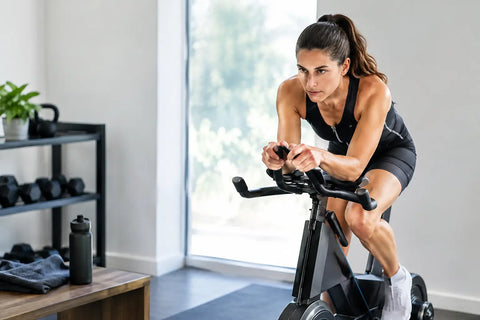
Coaching, Trainingspläne und Indoor-Cycling-Abonnements sind optional. Sie können wertvoll sein, wenn sie Struktur und Kontinuität bieten – besonders für vielbeschäftigte Berufstätige, die Training und Arbeit unter einen Hut bringen müssen. Aber als Einsteiger brauchst du nicht alle Tools auf einmal. Fang mit einem klaren Plan an, der in deinen Alltag passt, und hol dir Unterstützung, wenn sie ein konkretes Problem löst.
Wo Einsteiger Geld verschwenden
Der teuerste Fehler ist, für eine zukünftige Version von dir selbst zu kaufen. Aerolenker, Laufräder, Leistungsmesser, hochwertige GPS-Uhren und elektronische Schaltungen können später alle ihren Platz haben. Keines davon ersetzt regelmäßiges Schwimmtraining, sicheres Radfahren oder konsequentes Laufen.
Vorsicht auch bei Schnäppchenkäufen. Ein sehr günstiges Gebrauchtrad, das einen neuen Antrieb, Reifen, Kabel und eine komplette Inspektion braucht, kann am Ende teurer sein als eine besser gewartete Alternative. Dasselbe gilt für undichte Schwimmbrillen, schlecht sitzende Schuhe und minderwertige Helme. Geld sparen ist sinnvoll; ein frustrierendes Trainingserlebnis zu schaffen, ist es nicht.
Kauf nicht alles, bevor du dein Rennen ausgewählt hast. Schau dir zuerst die Veranstaltungsregeln, das Streckenprofil, die Wasserbedingungen und die Cut-off-Zeiten an. Ein flacher Stadtsprint und ein hügeliges Küstenrennen erfordern möglicherweise unterschiedliche Vorbereitung – aber bei keinem musst du wie ein Profi-Triathlet aussehen.
So planst du dein Budget für den ersten Triathlon klüger
Fang mit einem Renndatum an und arbeite dich rückwärts vor. Wenn du Distanz, Ort und Bedingungen kennst, teile die Ausgaben in drei Bereiche auf: Sicherheit, Trainingszugang und Komfort. Sicherheit bedeutet ein zuverlässiges Fahrrad und einen Helm. Trainingszugang bedeutet Hallenbad-Zeit, Grundausrüstung und bei Bedarf Stunden. Komfort umfasst Dinge wie einen Tri-Suit, eine GPS-Uhr und praktische Aufbewahrungslösungen.
Wenn dein Budget knapp ist, leihe dir Dinge, bevor du kaufst. Frag einen Freund wegen eines Fahrrads, leih dir einen Neoprenanzug, oder nutze eine einfache Sportuhr statt sofort aufzurüsten. Steck das gesparte Geld in eine Radanpassung, eine Schwimmstunde oder die Anreise zum Rennen. Diese Entscheidungen haben meist einen direkteren Einfluss auf Komfort und Leistung.
Es hilft auch, ein 90-Tage-Budget festzulegen, statt nur an den Wettkampftag zu denken. Rechne Startgebühr, erwartete Hallenbad-Kosten, Fahrradwartung, Ersatzschläuche, Ernährungsprodukte für das Training und lokale Transportkosten ein. So hast du eine klare Zahl und vermeidest, dass kleine Käufe sich still und leise zu einer großen Ausgabe summieren.
Gib Geld für Fortschritt aus, nicht für den Schein
Triathlon hat eine teure Seite, besonders wenn die Distanzen länger und die Leistungsziele ambitionierter werden. Aber der Sport ist nicht nur für Athleten mit einem Carbonrad und einer vollgepackten Wechselzone. Für dein erstes Rennen brauchst du konsequentes Training, ein sicheres Setup und einen Plan, der deine aktuelle Fitness und dein Budget respektiert.
Fang mit der Ausrüstung an, die dir ermöglicht, diese Woche zu trainieren. Absolviere ein paar Schwimmeinheiten, Radtouren und Läufe. Lerne, was dein Körper, dein Alltag und die lokalen Rennbedingungen wirklich erfordern. Dann lass jedes Upgrade seinen Platz durch messbaren Fortschritt verdienen – nicht durch Druck an der Startlinie.