Imagine diving into a lake for a nearly mile-long swim, transitioning to a 30-mile bike ride, and finishing with a 9-mile run — all in one day. For members of Iowa State's triathlon club, this isn't a distant dream; it's a typical Saturday. While most college clubs focus on a single sport, Iowa State's triathlon team demands a unique blend of competency, grit, and adaptability across three distinct disciplines. Yet what truly sets this club apart isn't the race distances or the trip to nationals — it's the people, and the way this community transforms absolute beginners into well-rounded endurance athletes by the time they graduate.
What Exactly Is a Triathlon? Breaking Down the Three Disciplines
Three Sports, One Race
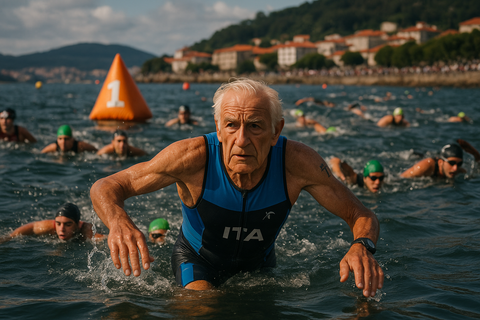
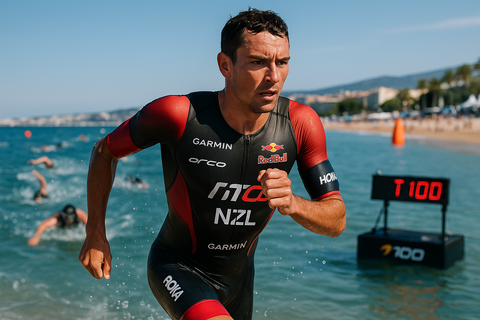
A triathlon combines three endurance disciplines in sequence. Swimming opens the race, demanding aerobic capacity and calm under pressure — especially in open-water settings. Cycling forms the longest leg by distance, requiring sustained power output and smart energy management. Running closes the race, where mental toughness is as crucial as fitness given the fatigue from the previous legs.
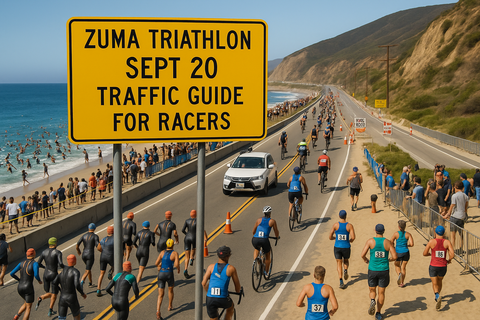
One of the most underappreciated challenges in triathlon is the transition — those high-adrenaline moments between disciplines where athletes strip off wetsuits, switch footwear, and mentally shift gears in seconds. Seasoned triathletes will tell you that transitions can make or break a race.
Sprint vs. Longer Distance: Knowing What You're Getting Into
| Format | Swim | Bike | Run | Est. Finish Time |
|---|---|---|---|---|
| Sprint Distance | ½ mile | 12 miles | 3.1 miles | ~1.5–2.5 hrs |
| Olympic / Longer Distance | 1 mile | 30 miles | 9 miles | ~3–5 hrs |
Sprint races are typically used at national-level collegiate competitions and serve as an accessible entry point for newer athletes. The longer Olympic-distance format represents a significant step up in both physical demand and race-day strategy.
Why Triathlon Is the Ultimate Fitness Test
Unlike single-sport athletics, triathlon training develops full-body conditioning across completely different movement patterns. Swimmers build upper-body endurance and lung capacity. Cyclists develop leg power and cardiovascular efficiency. Runners build resilience, stride mechanics, and the rare ability to perform when the body is begging to stop. The sport doesn't just make you fitter — it makes you a more complete athlete.
Iowa State's Triathlon Club: Organization, Competitions, and Opportunities
A Team Built for Real Life
Iowa State's triathlon club runs on a collaborative leadership structure that blends undergraduate and graduate student roles. President Katie Tollefson and Vice President Stephen Lawler lead the team day-to-day, while Graduate Student Mentor Kayde Bowers and Graduate Student Coordinator Luke Post provide continuity, coaching experience, and a longer-term institutional memory. This layered model creates a healthy pipeline of knowledge and support that keeps the club thriving year after year.
Competing Across the Midwest and Beyond
The club competes in year-round races with regular stops in Illinois and Minnesota throughout the season. The marquee event is the annual national championship trip, which takes the team to a different part of the country each year. In 2026, nationals were held at CLASH Coastal Mississippi — a unique venue featuring a beach racing format in late March. Competing at these events gives Iowa State athletes exposure to a genuinely high-caliber competitive environment.
Flexible Commitment: Race One or Race Many
One of the most appealing aspects of this club is its flexible participation model. Some members compete in just one or two races per season. Others race as many events as their schedule allows. A few don't race competitively at all — they join for the training structure and the community. There's no single mold here.
"We pride ourselves in taking the time to meet people where they are in their journey and creating workouts for everyone." — Luke Post
From Zero to Triathlete: How the Club Transforms Beginners
You Don't Need to Be Good at All Three (Yet)
Here's what might surprise you most about Iowa State's triathlon club: you don't need to already be a triathlete to join one. Many incoming members carry a strong background in just one discipline. High school cross-country and track runners often arrive with excellent running fitness but limited experience in the pool or on a road bike. That's completely fine.
"We have people every year join with little to no experience in one of the disciplines. By the time they graduate, you'd never know they had little experience in one of the disciplines." — Katie Tollefson
That's a powerful statement — and it speaks to the quality of mentorship and structured progression built into the club's culture.
Specialized Athletes, Holistic Development
The club accommodates athletes from wildly different backgrounds: a swimmer transitioning from the pool to road racing, a cyclist who has never run competitively, a runner who has never been on a bike for more than 30 minutes. Each athlete brings something valuable to the group — and each has a clear developmental path forward. This diversity of backgrounds creates a richer learning environment, where athletes coach each other as much as they learn from formal training.
Staying in Shape and Giving Back
Not every member has their sights set on nationals. Graduate student Kayde Bowers represents a different, equally valuable archetype within the club — the experienced athlete who transitions into a mentorship role.
"My goal now is to stay in shape and help the other guys." — Kayde Bowers
This attitude — unpretentious, service-oriented, community-first — runs through the club's DNA. When athletes graduate beyond their most competitive years, they don't leave. They give back. That's the sign of a genuinely healthy sports culture.
The Real Reason Athletes Stay: Community and Connection
From Solo Training to Team Identity
Vice President Stephen Lawler's story captures something many endurance athletes experience regardless of sport or location. He initially joined the club for a practical reason — he needed motivation to train for a race he had already signed up for. What he didn't expect was what came next.
"I joined to help motivate myself to train for a triathlon I signed up for, but going to practice and hanging out with all the members has really fostered in me a desire to do more than just the one I'd already signed up for." — Stephen Lawler
This is the magic of training communities. The social bonds don't just make training more enjoyable — they expand what you think is possible. Lawler didn't just finish his original race. The friendships he built pushed him to sign up for more.
Shared Struggle Creates Real Friendships
There's something about collectively suffering through a hard workout — or cheering each other across a finish line — that accelerates friendship in a way few other experiences can match. Triathlon, by its very nature, demands a lot. That shared physical challenge becomes the foundation for genuine human connection. As one account of the club notes, the friendships truly sweeten the experience of pushing oneself so hard physically.
A Mentorship Pipeline That Sustains the Club
The mentorship dynamic within the club isn't accidental — it's structural. Graduate students like Bowers and Post play active roles in supporting newer athletes, creating a generational transfer of knowledge that ensures the club's culture survives turnover year after year. This is how clubs thrive long-term: not through recruitment drives or flashy gear, but through genuine investment in each other's growth.
How to Join Iowa State's Triathlon Club
Anyone Can Get Involved
Iowa State's triathlon club is open to all students — undergraduate and graduate — with no prior triathlon experience and no minimum fitness level required. If you can show up and commit to putting in the work, there's a place for you. New members can expect personalized workout plans tailored to their current fitness level, gradual skill development across all three disciplines, no pressure to compete immediately, access to mentorship from experienced members and graduate coordinators, and a flexible competition calendar to race as much or as little as desired.
Take the First Step
Interested in learning more? Reach out directly to club president Katie Tollefson at [email protected]. Whether you have questions about practice schedules, race commitments, or equipment, the club leadership welcomes inquiries and informal visits.
Pro tip for beginners: Start with a sprint-distance race goal. It's a manageable, confidence-building target — and by the time you cross that first finish line, you'll likely be eyeing the next one.
The Bigger Picture: What Iowa State's Triathlon Club Represents
Iowa State's triathlon club is a microcosm of something important in the broader endurance sports world: the idea that these sports don't belong exclusively to elite athletes. The club actively dismantles the gatekeeping that keeps many people from even trying triathlon. For athletes of all backgrounds — whether you're a former high school runner in the Midwest looking for your next challenge, or someone who simply wants a structured fitness community — clubs like this one are where the sport grows. They're where beginners become athletes, athletes become mentors, and mentors become the backbone of something lasting.
If you're a triathlon enthusiast looking to gear up for your own multi-sport journey, explore our triathlon suits and swimming goggles to start building your kit — whether you're racing sprint distances or dreaming bigger.
Key Takeaways
- No experience required. Iowa State's triathlon club welcomes athletes at every level — from multi-sport veterans to complete beginners with gaps in one or more disciplines.
- Race formats vary. Sprint distance (½-mile swim, 12-mile bike, 3.1-mile run) and longer Olympic distance (1-mile swim, 30-mile bike, 9-mile run) offer different challenges and entry points.
- Competition is optional. Members can participate competitively, recreationally, or primarily as a mentorship and fitness resource.
- Community is the secret ingredient. The social bonds formed through shared training keep athletes coming back — and push them to exceed their original goals.
- Year-round opportunities exist. From regional races in Illinois and Minnesota to national competitions like CLASH Coastal Mississippi, there's always something to train toward.
Ready to test your limits across three disciplines? Contact Katie Tollefson at [email protected] to learn how you can get involved with Iowa State's triathlon club. Whether you're chasing a podium finish or just looking for a community to train with, there's a place for you at the starting line.
Have you competed in a triathlon or considered joining a multi-sport club? Share your story in the comments below.
Frequently Asked Questions
What opportunities does the Iowa State Triathlon Club provide for members?
The Iowa State Triathlon Club offers various opportunities for members to compete in races throughout the year, including local races in the Midwest and a chance to participate in nationals. The club welcomes athletes of all experience levels, providing training tailored to individual needs and goals.
How does the Iowa State Triathlon Club cater to different levels of experience?
The club prides itself on being welcoming to athletes with varying levels of experience, offering support and custom workouts to help members improve in swimming, biking, and running, regardless of their starting point.
Can anyone join the Iowa State Triathlon Club?
Yes, anyone interested in triathlons can join the Iowa State Triathlon Club. The club encourages those with little to no experience in one or more of the disciplines to participate and will provide the necessary training and support.
What kind of races do members of the Iowa State Triathlon Club typically participate in?
Members participate in various types of triathlons, including sprint races, which typically consist of a ½ mile swim, a 12-mile bike ride, and a 3.1-mile run, as well as longer distance races such as a 1-mile swim, a 30-mile bike ride, and a 9-mile run.
What benefits do members gain from participating in the club?
Members benefit not only from training and improving their fitness levels but also from building friendships and support networks within the club, which contributes to a positive and motivating training environment.
Source: Iowa State Daily — Under the Radar: Iowa State's Triathlon Club