One of the world's most celebrated triathlons is making its way back to the Treasure Valley, and whether you're planning to race, cheer, or lend a helping hand, there's a spot for you on July 25.
The 70.3-distance triathlon is returning to Boise this month, bringing with it hundreds of athletes, thousands of spectators, and a vibrant community spirit that showcases the city's active lifestyle. Even better, the event is secured for two consecutive years—cementing Boise's place on the long-distance triathlon map.
Here's everything you need to know to make the most of race day, from course details to volunteer opportunities.
What Is a 70.3-Distance Triathlon—and Why Does It Matter for Boise?
Understanding the Format
The "70.3" refers to the total race distance in miles: a challenging, yet rewarding combination of three disciplines. Here's the breakdown:
- Swim: 1.2 miles (open water)
- Bike: 56 miles
- Run: 13.1 miles (a half marathon)
- Total: 70.3 miles—exactly half the distance of a full-distance race
For competitive age-group athletes, finishing times typically range between 4 and 7 hours. This means if you're spectating, you have a full morning and afternoon of witnessing incredible human performance. For athletes, the 70.3 distance is considered the gold standard of achievable long-course racing—demanding enough to be a serious personal achievement, but accessible to dedicated competitors who put in the training.
New to triathlon terminology? Age-group athletes are non-professional competitors who race in categories organized by age. Most 70.3 participants are everyday people—teachers, engineers, parents—who train hard and race even harder.
Why This Puts Boise on the Map
Hosting a globally recognized endurance event of this scale isn't just beneficial for athletes—it's advantageous for the entire Treasure Valley. Events like this attract competitors from across the country and internationally, filling hotels, restaurants, and local shops for the entire race weekend. The two-year hosting agreement signals that organizers see Boise as a serious, long-term partner. This isn't a trial run; it's the beginning of a tradition.
Beyond the economic boost, there's something powerful about watching elite and everyday athletes push their limits through your city's streets and parks. Events like this inspire local residents to lace up, clip in, and start training. Boise's athletic identity strengthens every time an event like this comes to town.
The Race Course: A Scenic Tour of Boise's Best Assets
Think of the course as a guided tour of everything that makes the Treasure Valley special—only the tour guides are athletes competing at full speed.
The Swim: Lucky Peak
The race kicks off at Lucky Peak with a 1.2-mile open-water swim. Lucky Peak's reservoir provides a stunning natural backdrop for the race's dramatic opening leg. For spectators, this is your first opportunity to cheer athletes into the water and soak in the energy of race morning.
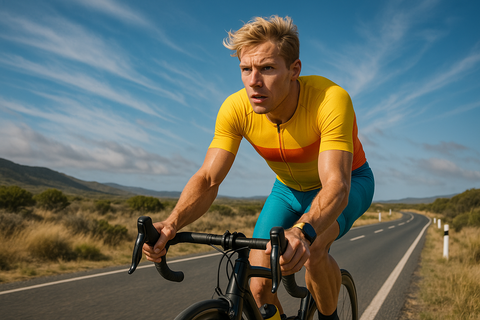
The Bike: 56 Miles Through Rural Boise Roads
After the swim, athletes transition (in triathlon speak, this is called T1—the swim-to-bike transition) and head out on a 56-mile ride through rural Boise roads and neighborhoods. This stretch tests both endurance and bike-handling skills, winding through the landscape that defines the Treasure Valley's wide-open character. Road closures will be in effect along portions of the route—plan your driving accordingly if you're moving between spectator spots.
The Run: The Boise Greenbelt Finale
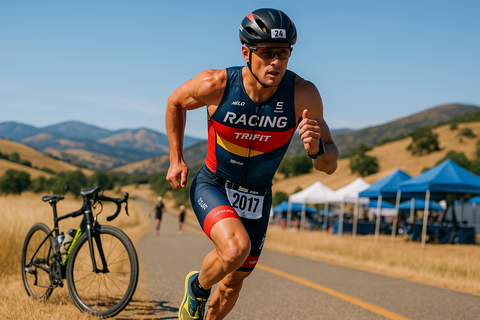
The race finishes with a 13.1-mile run on the iconic Boise Greenbelt—one of the most beloved trail systems in the entire Pacific Northwest. Flat, scenic, and lined with trees and river views, the Greenbelt provides the perfect stage for athletes digging deep in their final miles.
This is also where spectators have the most opportunity to make an impact.
Best Place to Watch: Julia Davis Park
Julia Davis Park is your home base as a spectator. According to the official event information, this is where fans are encouraged to gather to cheer athletes on. With the Greenbelt running directly through the park, you'll have excellent views of runners battling through the back half of the race. Bring a folding chair, a handmade sign (athletes love crowd signs—the more creative the better), and plenty of enthusiasm. Admission to spectate is free.
How to Volunteer: Hundreds of Positions Available
You don't need to be a triathlete—or even a runner—to be an essential part of this event. Volunteers are the backbone of every successful race, and the organizers need hundreds of them to make July 25 happen.
What Volunteers Actually Do
The official event announcement confirms volunteer needs across several key areas:
- Check-in: Help process athlete registration and packet pickup in the days leading up to and on race morning. This is often the first face athletes see—your energy sets the tone.
- Aid stations: Distribute water, electrolytes, and nutrition to athletes along the bike and run courses. This role is physically engaging and puts you right in the middle of the action.
- Finish line logistics: This is where memories are made. Help manage medal distribution, guide exhausted-but-elated finishers through the finish area, and celebrate alongside athletes who've just completed something extraordinary.
Each of these roles requires different energy levels and time commitments, so there's likely a fit for almost anyone—whether you want to be at the start before sunrise or cheer at the finish line in the afternoon.
Why Volunteering Is Worth Your Saturday
Beyond the warm feeling of community service, volunteering at an event like this gives you a front-row seat to elite athletic performance. You'll stand closer to the action than most spectators ever do. You'll meet athletes from across the country and fellow volunteers who share your love of active living. And you'll walk away with a story worth telling.
If you've ever thought about doing a triathlon yourself, volunteering is one of the best ways to get a feel for how these events work—the transitions, the atmosphere, the camaraderie—before you ever pin on a race bib. Consider it your behind-the-scenes access pass.
How to Sign Up
Ready to help make race day happen? Sign up directly through the official registration page at ironman.com/races/im703-boise/volunteer. Review the available shifts and roles, and register before spots fill up—popular volunteer positions at major events like this go quickly.
For Athletes: What to Know Before Race Day
If you're already registered and counting down the days, here are a few key logistics to keep in mind.
Race Day Course Recap
- Start: Lucky Peak (swim)
- T1: Swim-to-bike transition
- Bike course: Rural Boise roads and surrounding neighborhoods
- T2: Bike-to-run transition
- Run course: Boise Greenbelt
- Finish: Julia Davis Park area
The Greenbelt's flat terrain is a welcome relief after a 56-mile bike leg, but don't let it fool you—those final miles always feel harder than they look on paper. Prepare your nutrition and pacing strategy accordingly.
Gear Checklist Essentials
Racing a 70.3 requires careful preparation across all three disciplines. If you're still building out your kit, make sure you've covered the basics:
- Swim: Wetsuit (open water swim), goggles, swim cap (usually provided)
- Bike: Road or triathlon bike, helmet (mandatory), cycling shoes, nutrition for the ride
- Run: Running shoes, race belt for bib number, nutrition for the run leg
Looking for race-ready triathlon gear? Browse our race season essentials and training resources to make sure you're fully equipped for the start line.
Making the Most of Race Weekend in Boise
Whether you're racing, volunteering, or spectating, race weekend in Boise is worth embracing fully.
For Out-of-Town Visitors
If you're traveling to Boise for the event, book accommodations as early as possible—race weekends fill up hotels faster than you'd expect. Downtown Boise puts you close to Julia Davis Park and gives you easy access to the city's thriving restaurant and brewery scene for a post-race celebration (or a pre-race carb-load).
For Local Residents
This is your community's moment. Even if you have no connection to triathlon, heading down to Julia Davis Park on the morning of July 25 to cheer on strangers is one of those experiences that reminds you why living in a city with this kind of energy is special. Bring the kids. Bring the dog. Make some noise.
Inspiring the Next Generation of Triathletes
Events like this plant seeds. Somewhere along the Greenbelt on July 25, a teenager is going to watch an age-group athlete cross the finish line and think, I could do that. That thought might turn into a sprint triathlon next summer, a 70.3 two years later, and a lifelong relationship with endurance sport. Being part of that energy—as a volunteer, a spectator, or a finisher—matters more than it might seem in the moment.
Quick Reference: Everything You Need to Know
| Detail | Info |
|---|---|
| Race Date | Saturday, July 25 |
| Format | 70.3-distance triathlon (1.2 mi swim / 56 mi bike / 13.1 mi run) |
| Swim Start | Lucky Peak |
| Run Course | Boise Greenbelt |
| Best Spectator Spot | Julia Davis Park |
| Volunteer Sign-Up | ironman.com/races/im703-boise/volunteer |
| Hosting Commitment | Two consecutive years |
Frequently Asked Questions
Q: Do I need race experience to volunteer?
Absolutely not. Volunteers come from all walks of life, and training will be provided. If you're enthusiastic and reliable, you're qualified.
Q: Can I bring my family to spectate for free?
Yes! Cheering from Julia Davis Park along the Greenbelt is free and open to everyone. Pack snacks, a sign, and your loudest voice.
What is the Ironman 70.3 event in Boise?
The Ironman 70.3 is a popular triathlon event that consists of a 1.2-mile swim, a 56-mile bike ride, and a 13.1-mile run, hosted in Boise. It will take place on Saturday, July 25, and is scheduled to be held in Boise for the next two years.
Where does the Ironman 70.3 event start and end?
The event kicks off at Lucky Peak with the swimming leg, continues with a bike ride through rural Boise, and concludes with a running segment along the Boise Greenbelt, finishing at Julia Davis Park.
How can I volunteer for the Ironman 70.3 event?
Hundreds of volunteers are needed for various roles such as check-in, aid stations, and finish line logistics. Interested individuals can sign up to volunteer through the Ironman website.
Can spectators attend the Ironman 70.3 event?
Yes, spectators are welcome to attend and cheer on the athletes, particularly from Julia Davis Park, which is a designated viewing area for the event.
Source: boisedev.com