
What the Redlands Sharkies' 86% Long-Distance Triathlon Finish Rate Reveals About Club Culture and Athlete Preparation
When 12 out of 14 athletes from a single triathlon club successfully finish one of Australia's toughest long-distance events, it's a sign that something special is happening behind the scenes.
This is exactly what the Redlands Sharkies triathlon club accomplished at the Port Macquarie long-distance triathlon, achieving an impressive 85.7% completion rate. This success story is not just about statistics; it's about the community spirit, preparation, and the club culture that transforms everyday athletes into finishers with smiles on their faces.
Whether you're a passionate triathlete aiming for long-distance races or you just registered for your first sprint triathlon, the Sharkies' journey serves as an inspiring example of how to guide a group across that finish line.
Understanding the Long-Distance Triathlon Challenge
Before diving into the Sharkies' strategies, let's first understand the daunting challenge they took on.
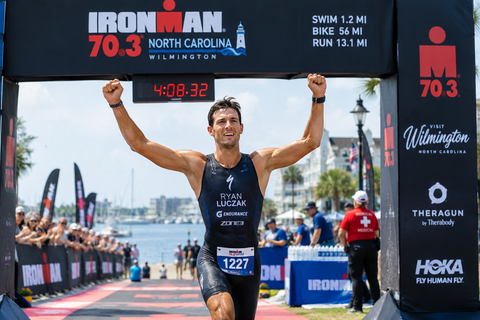
A full long-distance triathlon consists of a fierce race: 3.8 km of open-water swimming, 180 km of cycling, and a full 42.2 km marathon run — all within a demanding 17-hour cutoff. Port Macquarie, located on Australia's picturesque New South Wales coast, is a beloved venue known for its beautiful scenery and relentless course. Athletes confront challenging open waters, hilly bike paths, and the mental hurdles of a marathon after hours of racing.
Globally, completion rates for long-distance triathlons typically range from 80–90%, varying by conditions and the experience levels of participants. With an 85.7% finish rate, the Redlands Sharkies stand at the upper end of that spectrum, making their accomplishment all the more impressive.
What is a long-distance triathlon?
🏊 3.8 km open-water swim
🚴 180 km bike leg
🏃 42.2 km run (full marathon)
⏱️ Typical cutoff: 17 hours
The Redlands Sharkies' 86% Success Rate: More Than a Number
The Redlands Sharkies, based in Queensland's Redlands Coast area near Brisbane, brought 14 competitors to Port Macquarie — an impressive number reflecting months of dedicated training, collective effort, and a club-wide commitment to long-distance racing.
Out of those 14 athletes, 12 crossed the finish line. This achievement garnered local recognition, with councillor Peter Mitchell praising the club — a testament to the community pride surrounding such grassroots sporting successes. The acknowledgment from local officials highlights the significance of this accomplishment beyond just the world of triathlon.
What makes this statistic meaningful?
- The Sharkies aren't a professional team with sponsors and support crews.
- These are regular athletes — professionals, parents, and weekend warriors — juggling training with daily life.
- The club's collective results demonstrate a systematic approach rather than mere luck.
Club Culture: The Invisible Training Partner
Here's a lesson that solo training guides often overlook: athletes who train alone often struggle alone on race day, too.
Training in a club environment brings unique accountability. If a training buddy expects you at the pool at 5:30 a.m., you'll be there. If your cycling group is tackling a 120 km ride on Saturday, you're more likely to push through because they are doing the same. This collective energy fosters a type of fitness that goes beyond physical strength — it builds resilience.
The Power of Collective Training
The Sharkies utilize group dynamics effectively, embracing several key practices:
- Shared experiences: Long training sessions (like bike-to-run combos) become easier and more enjoyable as a group.
- Knowledge exchange: Seasoned members share invaluable race-day tips with newcomers.
- Pacing support: Training partners help prevent the common mistake of starting too quickly.
- Unified goals: When everyone aims for the same race, the club aligns its training schedules with shared milestones.
Studies continually show that athletes who train in structured groups are more likely to stick to their training plans compared to those training solo. Consistency, more than any individual workout, is the key to finishing a long-distance race.
Mental Resilience Through Community
The marathon run leg — a phase often described as "the dark place" by veterans — is where races can truly be won or lost, and where many athletes face the threat of a DNF. Having a supportive community is crucial, especially during those challenging moments on race day when giving up seems like a valid option.
Knowing your coach is tracking your journey, that your training partners are facing the same course, and that 13 other athletes from your club are also on the path — this all matters when you reach the toughest parts of the race.
Club spirit isn't just a nice idea. It's a vital element of performance.
Preparation Strategies That Drive High Finish Rates
An 86% finish rate isn't a coincidence. It reflects a thoughtful approach to preparation, addressing not just the physical demands but also nutrition, logistics, and mental readiness for long-distance racing.
Training Methodology: Building Toward Race Day
Effective long-distance triathlon prep usually covers 16–24 weeks of structured training — progressively increasing efforts followed by recovery periods, with a taper of two to three weeks before race day. Clubs like the Sharkies benefit from coaching systems that adapt this progression for various athletes, considering their fitness levels, injury histories, and everyday schedules.
The essentials of team-based preparation include:
- Periodized training blocks — establishing an aerobic foundation before introducing race-specific intensity.
- Focus on disciplines — balancing swimming, biking, and running based on individual strengths and weaknesses.
- Brick workouts — combining bike and run training to prepare for transitions.
- Open-water swim practice — crucial for athletes who may struggle with the chaos of a mass start.
- Consistent long rides — 4–6 hour training sessions that simulate race conditions.
Nutrition, Recovery, and Race-Day Logistics
In the world of long-distance triathlons, nutrition is often referred to as the "fourth discipline" for good reason. Athletes can be supremely fit yet still fail to finish due to fueling errors during the race.
Successful clubs prioritize nutrition education:
- Carbohydrate requirements: Athletes typically need between 60–90 grams of carbs per hour during the race.
- Hydration techniques: Balancing electrolyte intake with sweat rates in varying conditions.
- Race-day rehearsals: Testing nutrition strategies in training to avoid surprises on race day.
- Transition planning: Knowing exactly what's in your transition and special needs bags.
Recovery also plays a crucial role between tough training blocks — adequate sleep, active recovery sessions, and proper load management help prevent the burnout that can derail many long-distance athletes before they ever reach the start line.
Honoring All 14: Including the Two Who Didn't Finish
An honest account of long-distance triathlon must acknowledge the DNF — not as a failure, but as a real facet of the sport.
Two athletes from the Redlands Sharkies did not finish at Port Macquarie, and their efforts deserve equal respect.
Common reasons for DNF in long-distance triathlon:
- Mechanical issues on the bike
- Gastrointestinal distress or energy depletion
- Medical withdrawals
- Missing cutoff times at checkpoints
- Race-related injuries
DNFs are part of the reality of long-distance racing. Every finish line story also contains chapters about what went wrong, and how athletes regrouped and returned stronger. The best clubs treat a DNF not as a character flaw but as data — a learning experience and motivation for future races.
A club that supports its athletes who don't finish just as warmly as it celebrates those who do creates an environment that encourages long-term commitment.
What Other Triathlon Clubs Can Learn From the Sharkies
The Redlands Sharkies' achievement at Port Macquarie isn't a fluke — it offers a blueprint for success that other clubs can replicate.
Replicating the Model: Key Factors
| Factor | What It Looks Like in Practice |
|---|---|
| Structured Preparation | Club-coordinated training plans targeted around a specific event |
| Collective Goal-Setting | Multiple athletes aiming for the same race fosters collective energy |
| Mentorship | Experienced triathletes guiding newcomers through the nuances of race day |
| Culture of Completion | Celebrating achievements at all levels, not just those on the podium |
| Post-Race Reflection | Transparency about successes and areas for improvement |
Building a Winning Culture
The most effective triathlon clubs aren't solely defined by their fastest athletes. They're characterized by an environment where a 60-year-old newcomer and a competitive age-group athlete feel equally valued.
Inclusivity isn't simply a nice gesture — it's a strategic advantage. When all athletes feel welcome, regardless of pace or experience, they're more likely to stay, grow, and ultimately achieve milestones like finishing a long-distance race alongside their club mates.
Effective leadership structures include:
- Clear communication between coaches and athletes
- Regular check-ins throughout the training period, not just at the race
- Social events for building friendships outside of training
- Recognition systems that celebrate effort, not just results
Lessons for Every Type of Reader
If You're an Aspiring Long-Distance Triathlete
The key takeaway from the Sharkies' experience is simple: don't train alone. Joining a triathlon club significantly boosts your chances of successfully finishing a long-distance race. Seek out local clubs with a strong record of supporting athletes aimed at longer distances, and commit to a training schedule of at least 20 weeks. Embrace the long routines — the Sunday rides, early morning swims, and grueling brick workouts that may not be glamorous but are vital for finishing strong.
Looking for gear for race day? Our race-day essentials collection has everything from transition kits to nutrition carriers.
If You're a Triathlon Club Leader
Your role goes beyond coaching fitness — it's about nurturing a culture that produces finishers. Evaluate your club's accountability systems: does everyone have a training partner, do you organize group rides that mimic race conditions, and do you celebrate every finisher regardless of speed? For ideas on enhancing your club's gear offerings or team gifts, our gifts for triathletes collection includes options that recognize effort after a demanding racing season.
If You're Just Getting Started in Triathlon
Port Macquarie and long-distance racing might seem far off from where you are right now — and that's perfectly okay. Everyone who finished wearing a Sharkies kit started exactly where you are. Begin with a sprint or Olympic distance triathlon, explore your local clubs, and connect with your community. That long-distance finish line will be waiting for you when you're ready.
Check out our first triathlon kit collection to gather everything you need for your inaugural race.
Conclusion: Community Is the Competitive Advantage
The Sharkies' 86% finish rate at Port Macquarie isn't just a club milestone — it illustrates the harmony achieved when preparation, culture, and community come together.
Key takeaways:
- ✅ Community enhances individual performance — Club training systems lead to higher completion rates.
- ✅ Preparation is multi-faceted — While physical fitness is vital, nutrition, logistics, and mental resilience are equally critical.
- ✅ Club culture can be measured — Results, retention rates, and the development of first-timers all reflect cultural health.
- ✅ Finishing matters — In long-distance racing, completing the race is victory, no matter the pace.
Twelve Sharkies crossed the Port Macquarie finish line, with all 14 having started. All 14 belong in this narrative because showing up is an achievement in itself. If this story has inspired you, take that first step: find your local triathlon club, lace up your shoes, and start building the community that will carry you to your own finish line.
Source: Redland Bayside News — Facebook
Frequently Asked Questions
What is the main topic of the article?
The main topic of the article discusses [insert main topic], exploring its implications and details.
Who is the target audience for this article?
The target audience includes [describe target audience], who may benefit from the insights shared in the article.
What key points are highlighted in the article?
Key points highlighted include [list key points or findings from the article], providing a comprehensive overview of the subject.
Are there any case studies or examples mentioned?
Yes, the article mentions several case studies and examples, including [briefly describe case studies or examples], to illustrate the main arguments.
What conclusions or recommendations does the article provide?
The article concludes with [summarize conclusions or recommendations], suggesting next steps or actions for the readers.