

Never Too Old to Race: How an 82-Year-Old Hall of Famer Is Chasing Victory at Kona 2026
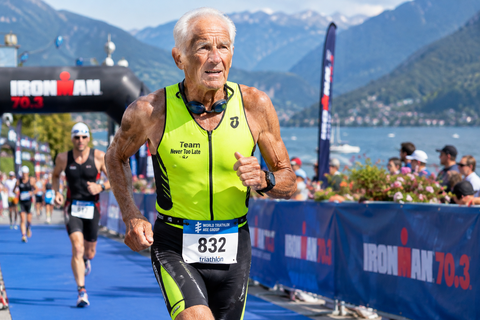
At 82 years old, Bob Plant isn't merely participating in the 2026 long-distance triathlon World Championship in Kona — he's aiming to win.
Imagine this: broken vertebrae, shattered ribs, hypothermia in Finnish waters, a car crash mid-training, and a debilitating fall at mile 72 of a race that left him unable to walk for three weeks. While many might see these challenges as roadblocks, for Plant, they are simply part of a thrilling 40-year journey that shows no signs of slowing down.
On October 10, 2026, Plant will stand as the oldest competitor at the most iconic and demanding triathlon in the world. He won't be there just to soak in the atmosphere or to cross the finish line. His aim is to race, strategically and with fire in his belly, equipped with specialized footwear and a keen awareness of his competition.
This is the journey of Bob Plant — a story still unfolding.
The Competitor Who Won't Quit
A Lifetime of Setbacks — And Comebacks
Bob Plant's history in triathlon resembles an intense medical saga. He's faced pulled muscles, broken bones, shingles, and even hypothermia from icy Scandinavian waters. On top of that, a car accident during training and the turmoil of a major Texas long-distance race in 2024, where fierce winds knocked him off his bike, leading to weeks of recovery.
Yet, just four months after that crash, he raced at Kona 2024 and did so while battling shingles — a testament to his mental strength. For Plant, these experiences aren't reasons to throw in the towel; instead, they are essential parts of his adventure.
"I enjoy the sport and the community it brings. Triathlon feels like family to me. If it stops being fun, that's when I'll consider stepping away."
This isn't just a feel-good statement — it's a foundational philosophy. Plant still runs his dental practice in Woodside, California, and chooses to remain in triathlon because it continues to fulfill its promises: challenge, community, and joy.
The Philosophy Behind Persistence
What sets Plant apart is more than just physical endurance; it's how he perceives challenges. He doesn't see triathlon as a struggle but as an adventure, and this perspective helps him navigate tough times with a resilient mindset.
Research shows that for many masters athletes, intrinsic motivation — finding personal fulfillment in the sport rather than seeking accolades — is a powerful driver for long-term participation. Plant wholly embodies this outlook. He races not to prove anything about age but solely for the love of the sport.
The 82-year-old was recognized in 2022 when he was inducted into the USA Triathlon Hall of Fame, placing him among the most accomplished athletes in triathlon history. With seven age-group podium finishes at the World Championship and victories spanning nearly four decades, Plant views these achievements not just as a legacy but as a reflection of his enjoyment.
The Accidental Path to Kona 2026
He Didn't Even Plan to Be Here
After the 2024 Texas crash and the challenging Kona experience, Plant opted for a sensible strategy: he planned to step back from full-distance races in 2026. His goal was to take it easier, allowing for recovery and reassessment.
With his entry in a half-distance race in Hawaii in May 2026, he believed he found the right balance. But fate had other plans when organizers announced that this race would serve as a qualifying pathway to the World Championship, offering 28 slots for age-group competitors. Suddenly, Plant's warm-up turned into a qualification opportunity.
The Slot He Almost Didn't Want
In the 80–84 division at the Hawaii half-distance qualifier, only four men started, and Plant emerged as the sole finisher with a time of 7:48:12. While he earned the Kona slot by default, the effort required to reach the finish line amidst other setbacks was significant.
His first response? A mix of disbelief and ambivalence.
"Initially, I thought, 'Oh no, I'm going to get that slot,' and honestly, I wasn't particularly excited about doing a full-distance race this year."
Yet, the instinct to truly compete kicked in, and he couldn't turn down the opportunity.
"I realized I couldn't let it go. You never know how many chances you'll have to race at the World Championships."
Indeed, 2026 hasn't been quiet for Plant. He also clinched his age group at an Oregon 70.3 event in July and topped the USAT Sprint National Championships in August. Multiple victories at 82 years old have turned this so-called scaled-back year into one of his most celebrated seasons.
The Competitive Edge at 82
Not Just Finishing — Racing to Win
What makes Plant's journey to Kona unique is that he's not merely surviving the race; he's racing with precision. He's focused on a specific rival, Simon Butterworth, 80, from Colorado — a former age-group champion who previously won in the 70–74 category in 2017. Plant has done his homework.
"He's a strong swimmer and an excellent biker. He'll outpace me on the bike, but I'll catch up in the run."
This isn't just optimism; it's analysis. Plant knows where he can save time and where he needs to push himself, approaching this race with the tactical mindset of a seasoned athlete.
Editor's note: Butterworth has recently had knee surgery and plans to swim in a wetsuit, which alters the dynamics of the race significantly for Plant.
Marginal Gains: Every Second Counts
Plant has grasped a crucial concept that many recreational athletes take years to learn: successful racing often hinges on the tiniest details. He focuses on using every second efficiently through fast transitions, pays close attention to aerodynamics while biking, and avoids wearing socks to save crucial time.
"Every ounce, every second matters. Just a couple of years ago at nationals, I won by just three seconds. If I had worn socks, I would have lost."
Three seconds. The entire outcome decided in a matter of seconds — a level of attention to detail that sets apart good athletes from elite ones, regardless of age. The idea of marginal gains — small, incremental improvements that add up to significant advantages — is often a hallmark of elite athletic programs, yet Plant applies this philosophy naturally in his age-group racing.
Technology and Mentorship
Even with almost 40 years of experience, Plant remains a lifelong learner. He seeks advice from triathlon legends, stays current on equipment trends, and optimizes his bike setup as though he were a young competitor. This blend of extensive experience and an ongoing quest for improvement is commendable. Without adaptation, experience can grow stale; without experience, adaptation can lead to mistakes. Plant embraces both.
The Training Formula for Masters Excellence
Lower Volume, Higher Efficiency
One of the most practical lessons from Plant's journey is his weekly training regimen — modestly structured but perfectly tailored to his age and lifestyle. Each week, he focuses on:
- 15 miles of running
- 50 miles of biking
- 6,000 yards of swimming
"It's less volume than many of my friends, but this approach works for me at my age."
No overextending himself here — no pride-driven mileage accumulation. For someone balancing full-distance triathlons while maintaining a full-time dental career, this isn't a compromise; it's a well-thought-out strategy. The essential takeaway for athletes of all ages: as we age, quality and focus in training matter far more than sheer volume. Recovery takes longer, and intentional, specialized training yields better results than high-mileage base-building strategies suited to younger athletes.
Experience as a Competitive Advantage
There's something invaluable that no training plan can replicate: understanding what the Kona course requires and knowing how your body will respond. Plant possesses this knowledge in abundance. With several World Championship appearances under his belt, he knows the Queen K highway's heat, winds, and uncertainties intimately. He understands when to conserve energy, when to accelerate, and how to manage discomfort — and the lessons learned from dozens of races enable greater consistency and confidence.
For those just beginning their triathlon journey, remember: experience is a form of fitness. Every race you complete teaches you lessons no training session can replicate, creating a well of knowledge you can draw from for years to come.
The Mental Game — Nerves, Fear, and Readiness
Pre-Race Anxiety as a Sign You Care
Even with four decades of experience and Hall of Fame recognition, Plant still feels the nerves before a big race.
"If you're not nervous, something's off. It's that little fear of the unknown that keeps you grounded."
This is crucial for newcomers and seasoned athletes alike to understand. Pre-race anxiety isn't a sign of weakness or unpreparedness — it indicates respect for the challenge ahead. Feeling anxious and feeling complacent can't coexist. Plant never approaches the start line assuming he'll cross the finish.
The Battle That Becomes an Adventure
Walking to the start line evokes a mix of emotions familiar to anyone who has ever stood at the edge of open water before a race.
"When we're moving toward that start line in the water, it feels like preparing for battle. You know it will be tough, yet it promises to be an adventure."
This dual perspective — facing a challenge with the mindset of a warrior while embracing the experience — is a key to Plant's mental toughness. He doesn't pretend racing will be easy; he acknowledges the difficulty but chooses to see it as worthwhile. This mindset doesn't require 82 years to develop; it demands intention and maybe a sprinkle of courage.
What Bob Plant Teaches Us About Racing (and Living)
Bob Plant's story isn't solely about being an 82-year-old competitor at Kona. It's about making small, intentional choices over four decades that culminate in something remarkable. He has chosen to return after injuries, to learn from the best regardless of his accomplishments, to strive not merely for completion but for excellence, to risk racing without socks for those extra seconds, and never to let opportunities slip by.
Here are the essential lessons every triathlete — whether a beginner or an experienced competitor — can carry into their next training session:
- Passion drives persistence. The athletes who continue long-term aren't always the most talented; they are the ones who still find joy in their sport.
- Age doesn't diminish competitive spirit. Plant races to win, and that drive doesn't need to fade as the years go by.
- Quality over quantity in training. If you're an older athlete overwhelmed by excessive mileage, it might be time to rethink your approach.
- Every detail counts. You don't have to be a professional team to benefit from efficient transitions, smart equipment choices, and solid pacing strategies.
- Healthy nerves indicate presence. If the pre-race jitters don't quicken your heartbeat, perhaps it's time to set even bigger goals.
The Bottom Line
On October 10, 2026, as Bob Plant steps into the waters at Kona — nervous but ready, competitive and fully engaged — he'll be looking for Simon Butterworth's swim cap. He'll transition without socks, and he'll run his race with passion. Whether you're 82 or 42, whether you're vying for a spot at Kona or preparing for your very first sprint triathlon, Plant's approach provides a clear insight: show up wholeheartedly, race with authenticity, and never underestimate what the sport can offer you.
At what age do you plan to stop racing? If you don't have a satisfying answer, perhaps that's the real question worth sitting with.
Frequently Asked Questions
Who is Bob Plant?
Bob Plant is an 82-year-old triathlete from Woodside, California, and a USA Triathlon Hall of Famer. He is known for being the oldest competitor at the 2026 long-distance triathlon World Championship in Kona.
What achievements has Bob Plant accomplished in triathlon?
Bob Plant has been a triathlete for nearly 40 years, earning several age-group national and world titles. He has also achieved seven age-group podium finishes at the long-distance triathlon World Championships and was inducted into the USA Triathlon Hall of Fame in 2022.
What keeps Bob Plant motivated to compete in triathlons at his age?
Bob Plant enjoys the sport of triathlon and the community it encompasses. He views the challenges and setbacks as part of the adventure and only plans to stop when it is no longer fun for him.
What challenges has Bob Plant faced in his triathlon career?
Throughout his career, Bob Plant has faced numerous challenges including injuries from crashes, hypothermia, and illness like shingles. Despite these setbacks, he continues to prepare and compete.
What are Bob Plant's goals for the 2026 long-distance triathlon World Championship?
Bob Plant aims to not only complete the race but also to win his age group. He has researched his competitors and trained specifically to excel in each discipline of the race.
How does Bob Plant train for triathlons?
Bob Plant trains by cycling about 50 miles, running approximately 15 miles, and swimming around 6,000 yards each week. He has tailored his training volume to suit his age while ensuring it works effectively for him.
Source: triathlete.com



This is a helpful discussion of chronic pain, particularly how persistent pain can affect everyday activities, sleep and overall quality of life. I’ve also come across some useful articles on https://painrxaustralia.com/ covering chronic pain and related pain-management topics, which provide helpful information for Australian readers.