Europe Triathlon Cup Torremolinos Becomes Duathlon: Water Quality Ban Forces Format Change
Imagine dedicating months to perfecting your swim-bike-run routine, booking your trip to sunny Spain, and preparing for race day, only to find out that the swim leg of your triathlon has been canceled. This is the reality for athletes at the Europe Triathlon Cup in Torremolinos, where a sudden swimming ban has transformed the event into a duathlon. The cause? A sewage infrastructure failure on Spain's Costa del Sol, raising pressing questions about race planning, athlete communication, and the increasing vulnerability of multisport events to environmental challenges.
The Water Quality Crisis: From "Safe" to "Unsafe"
Infrastructure Failure Cascades into Race Impact
The chain of events began with the Guadalhorce River in Málaga province, which burst its banks in late 2025. This flooding ruptured local sewage pipes, leading to wastewater contamination in the coastal waters. Initially, authorities reported that water quality in Torremolinos was stable and safe for use. However, recent tests revealed that conditions at Los Álamos beach no longer meet safety standards, prompting an immediate swimming ban.
This rapid reversal highlights a critical point: a single positive water quality reading does not guarantee ongoing safety. Environmental conditions near river mouths and sewage outflows can change quickly, especially after major flooding events. What seems safe one week may not be the next.
A Slow-Moving Problem with a Sudden Impact
The timeline here is crucial. This wasn't an overnight contamination event but the result of infrastructure damage that occurred months earlier. While initial monitoring suggested stability, the underlying damage continued to affect water quality over time, with the full extent only becoming apparent through continued testing.
For athletes and race organizers, the uncomfortable lesson is that even reassuring preliminary assessments don't eliminate the risk of deterioration. Coastal venues near rivers and aging sewage systems carry inherent vulnerabilities that require sustained monitoring, not just a single pre-event check. This situation mirrors recent discussions about World Triathlon's evolving water quality standards, which have become increasingly relevant as environmental challenges mount.
Geographic Context: Costa del Sol's Infrastructure Exposure
Torremolinos is located on Spain's Costa del Sol, a region known for its tourism infrastructure but also exposed to environmental pressures like river flooding and aging wastewater systems. While the ban applies specifically to Los Álamos beach, the root cause—compromised sewage infrastructure in the broader Málaga region—suggests a systemic vulnerability that extends beyond a single stretch of sand.
The Race Format Transformation: Triathlon Becomes Duathlon
What Changed — and What Didn't
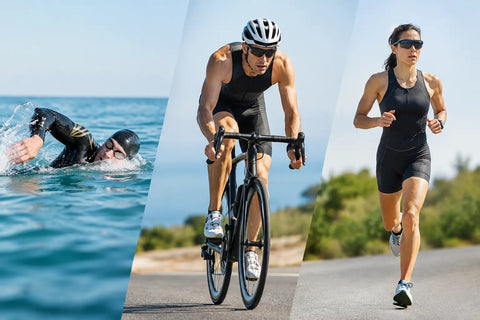
The format shift is straightforward but significant. A triathlon follows the swim-bike-run sequence, while a duathlon replaces the swim with an additional running leg, creating a run-bike-run format. This change fundamentally alters the competitive landscape for athletes who have trained for all three disciplines.
The Competitive Ripple Effects
The format conversion requires athletes to adjust in several ways:
- pacing strategy shifts — without the swim, athletes enter the bike course fresh, changing energy distribution across the race;
- transition setup changes — the first transition no longer involves moving from wetsuit to cycling gear, affecting preparation routines;
- competitive strengths are redistributed — strong swimmers may find themselves at a disadvantage, while runners and cyclists may gain unexpected ground;
- mental preparation requires a reset — athletes build their race-day mindset around a specific format, and a last-minute change disrupts that preparation.
While all athletes face the same format change, those who chose this race to hone their triathlon skills may question the value of participation. For athletes looking to understand competitive benchmarks across different race formats, this unexpected shift serves as a reminder of the sport's unpredictability.
Europe Triathlon's Communication: A Remarkably Restrained Response
Perhaps most striking is how Europe Triathlon communicated the change. Instead of issuing a comprehensive advisory, they referenced a Spanish-language article from local media, promising more detailed information the next day. For athletes who may not read Spanish or need time to adjust logistics, this approach falls short. A format change of this magnitude warrants proactive, multilingual, athlete-first communication.
Broader Implications: Coastal Racing in a Climate-Stressed World
Water Safety as a Competitive Vulnerability
The incident in Torremolinos is a signal, not an isolated curiosity. Coastal multisport events depend on environmental and infrastructure conditions beyond organizers' control. With extreme weather events becoming more frequent, the risk of sewage infrastructure failures—and the water quality issues that follow—rises. Race organizers must factor this into their risk assessments as an increasingly plausible scenario.
This isn't the first time water quality has disrupted major triathlon events. The tragic events at Ironman 70.3 Mossel Bay and the Seine River controversy at the Paris Olympics demonstrate that water safety is becoming one of triathlon's most pressing challenges.
What Good Contingency Planning Looks Like
The Torremolinos situation raises a question every coastal race organizer should answer: What is our backup plan if the swim is canceled?
Best practices include:
- pre-approved format alternatives (triathlon → duathlon) registered with governing bodies in advance;
- mandatory water quality testing at least 72 hours before race start, with results reviewed against safety thresholds;
- clear athlete communication protocols with translated advisories for international fields;
- stakeholder coordination channels between municipal authorities, race directors, and governing bodies, established before race week.
These measures wouldn't have prevented the flooding but would ensure an organized, athlete-centered, and transparent response when the swimming ban arrived.
Standards and Accountability: Who's Responsible?
Water quality safety at competitive events involves multiple stakeholders, making accountability diffuse when things go wrong. This incident prompts questions like:
- should Europe Triathlon establish minimum water quality thresholds independent of local assessments?
- should test results be publicly available to athletes before an event?
- who bears responsibility for financial losses when a format change affects participation decisions?
These aren't hypothetical questions anymore. As water quality incidents become more common, the multisport community needs clear answers.
What Athletes Need to Know Right Now
Immediate Steps for Registered Competitors
If you're racing in Torremolinos this weekend, focus on:
- monitoring Europe Triathlon's official channels for detailed format information;
- adjusting your warm-up and pacing strategy for a run-bike-run format;
- simplifying your transition setup—no wetsuit, no swim-to-bike gear change in T1;
- checking your options regarding refunds or deferrals if the format change affects your decision to participate.
For athletes preparing for future races, investing in quality training gear becomes even more important when race formats can change unexpectedly. Consider adjustable swim goggles with UV protection for open water training, and ensure you have reliable magnesium supplementation for recovery regardless of race format changes.
For the Triathlon Community at Large
The Torremolinos situation deserves attention beyond this race weekend. Water quality issues at competitive swimming venues are not new, but the combination of aging infrastructure and increasing climate-related flooding is making them more frequent and disruptive. The triathlon community—athletes, organizers, and governing bodies—has a shared interest in developing robust standards before the next incident forces another last-minute format change.
Understanding essential triathlon rules and safety protocols helps athletes navigate these unexpected situations with confidence.
Key Takeaways
The Europe Triathlon Cup Torremolinos format change from triathlon to duathlon is the result of a chain of events: a river flood, a sewage pipe rupture, months of infrastructure degradation, and a water quality test revealing unsafe conditions. While these steps were beyond the race organizer's control, the multisport community can control how it prepares for, responds to, and communicates about such situations. This incident calls for more rigorous pre-event testing protocols and clearly defined backup plans, reminding us that athletes deserve more than a link to a foreign-language news article.
The swim may be canceled in Torremolinos this weekend, but the conversation about water safety, infrastructure resilience, and athlete-first communication is just beginning.
Why was swimming banned at Los Álamos (Torremolinos) beach?
Local authorities imposed an immediate ban after recent water quality tests showed conditions that do not meet safety standards. The deterioration followed sewage-pipe ruptures and flooding from the Guadalhorce River late last year.
Which race is affected by the swimming ban?
The Europe Triathlon Cup scheduled in Torremolinos for the weekend is affected; Europe Triathlon announced the event will be converted into a duathlon.
What does converting the event into a duathlon mean?
Conversion to a duathlon means the swim leg is removed and the race will be run–bike–run (a run before the bike and a run after). Exact format, distances and schedule changes are determined by the race organiser.
Has the race been canceled or postponed?
The organisers have not canceled or postponed the event; they have announced a conversion to a duathlon. Any further changes would be communicated by Europe Triathlon and the event organisers.
What should registered athletes do now?
Athletes should monitor official communications from Europe Triathlon and the event organisers for details on distances, start times, transition layout and any rule changes. Prepare for a run–bike–run format and check email, the event website and social channels for updates.
Will entrants receive refunds or alternative options?
The article does not specify refund or re-entry policies. Decisions on refunds, transfers or alternative options are made by the event organisers and registration provider—contact them directly or await the official communication from Europe Triathlon.
How long will the swimming ban remain in effect?
The duration of the ban depends on follow-up water-quality testing and local authority decisions. No timeline was given; re-opening will be determined when water quality again meets safety standards.
Are there health risks if I swam in the affected water recently?
If you swam in the area and have concerns or symptoms (e.g., stomach upset, skin irritation, respiratory issues), contact a healthcare professional. For specific medical advice, consult local health services.
Where can I get official updates about the race and the ban?
Follow Europe Triathlon’s official channels and the event website for immediate updates. Also monitor local Torremolinos/Málaga authority announcements and news outlets. Triathlon Today will publish updates as they become available.
How can I contact Triathlon Today about this story or submit a press release?
For press releases and news tips contact news@tri-today.com. For advertising and branded content enquiries contact advertising@tri-today.com.