
Dubai Fitness Challenge Training Tips: How Amateur Athletes Can Prepare for the Dubai T100 Triathlon
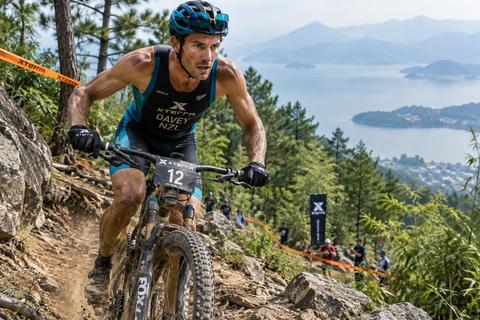
Picture a whole city getting active at once. Roads close to traffic, parks fill with walkers and runners, and thousands of people ride their bikes before the sun is high. That’s the Dubai Fitness Challenge (DFC)—and this year, reigning T100 World Champion Kate Waugh is racing in the middle of it.
Waugh puts the idea simply: “Getting a whole city moving for 30 minutes a day for 30 days is such a simple idea.” That simplicity is a big part of what makes DFC a welcoming way for beginners to build a workout routine.
DFC runs October 31 to November 29 for its tenth edition. It’s organised by the Dubai Department of Economy and Tourism and the Dubai Sports Council. The challenge overlaps with the Dubai T100 Triathlon Weekend at Al Mamzar, where Waugh races in the professional women’s event on Saturday, November 14. Dubai is the last of the four women’s T100 races before the Qatar T100 Triathlon World Championship Final in Doha, December 10–12.
Below, you’ll find Waugh’s training tips for amateur athletes, shared with Gulf Today: how to use DFC as training, manage the final two weeks, follow three race-day rules, and choose a next goal. You don’t need to be in Dubai to put her advice to work. The same principles apply wherever you train, whether that’s Dubai, Mexico City, Monterrey, or São Paulo.
Why DFC Is the Right Training Ground
Most beginners don’t struggle because they lack talent. They struggle to build a consistent routine. DFC tackles that challenge with a clear goal: 30 minutes a day, 30 days in a row. That’s about the length of a short run, an easy bike ride, or a yoga class.
Waugh has seen the impact herself: “Having visited Dubai last year you can really see the impact it’s having.” She also sees a shared purpose between the fitness challenge and her sport:
“That’s what the T100 Triathlon World Tour is about too: making the sport accessible and exciting, and getting more people involved.”
This year’s Dubai sports events and activities offer plenty of ways to get moving:
- Dubai Ride, which drew more than 40,000 cyclists onto Sheikh Zayed Road last year
- Dubai Stand-Up Paddle
- Dubai Run
- Dubai Yoga
- Three free Fitness Villages
- 23+ Community Fitness Hubs offering thousands of free classes and activities
If you’re considering your first triathlon, this programme offers ways to work on cardio, cross-training, and mobility. As Waugh says, “Racing in Dubai while the whole city is out being active makes it a special place to be.”
The takeaway: Treat DFC as a 30-day habit-builder with a built-in community—not just a one-off event.
Using the Final Two Weeks Well
The last stretch before a race can make amateur athletes feel like they need to do more: extra sessions, extra miles, extra everything. Waugh recommends the opposite: “In those last two weeks it’s more about staying sharp than piling on volume.”
Here’s how the DFC calendar lines up with race weekend:
| Date | Event | How to use it |
|---|---|---|
| Sunday, Nov 1 | Dubai Ride | A chance to ride on closed roads, less than a fortnight before race weekend |
| Nov 7–8 | Dubai Stand-Up Paddle, Hatta Dam | A change of pace that’s easy on the joints |
| Final two weeks | Fitness Hubs | Short, focused sessions alongside mobility and recovery |
| Saturday, Nov 14 | Dubai T100 weekend, Al Mamzar | Race—or watch the pros |
Waugh calls the Dubai Ride “the perfect build-up.” As she explains, “Seeing the roads closed and thousands of people out on bikes is really motivating.” For the Fitness Hubs, she recommends short, focused sessions, plus some mobility and recovery work. She also suggests, “get some time in the heat and in the sea if you can. It’s all there on your doorstep.”
What staying sharp means
Think of a “taper” as reducing training volume while keeping a little intensity. You keep moving, but you stop trying to build fitness that you won’t have time to absorb before race day. Fatigue can hide your fitness, so fresh legs are more valuable than three extra hard workouts.
The takeaway: In the final two weeks, a few short, crisp sessions are more useful than a heroic block of long ones.
Waugh’s Three Race-Day Rules
When asked for her top three tips for amateur athletes heading into race weekend, Waugh kept her advice simple. These race-preparation principles can help at any distance.
Rule 1: Respect the heat
“Practise your hydration and fuelling in training so nothing is new on race day.”
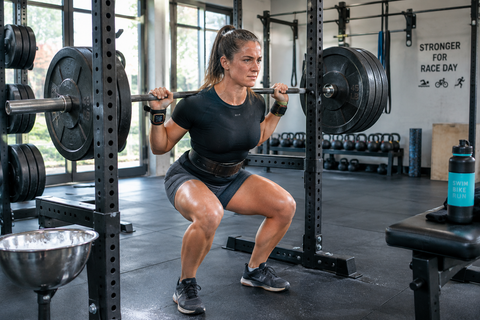
Heat can catch you off guard, especially if you usually train in cooler conditions. Treat your drink and fuel plan like any other piece of race equipment: test it during training, try it in warm conditions where possible, and make adjustments. Gradual exposure to heat over a couple of weeks is a common approach, and Waugh’s suggestion to spend time in the heat and sea fits that idea. Follow a plan that suits your body, and check with a doctor if you have health concerns.
Many readers in Mexico, Brazil, and across Latin America already train in heat and humidity, so you may have a head start. The principle still applies: don’t try a new gel, drink mix, or piece of kit for the first time on race morning. Our race-season essentials collection can help you put together a tested, no-surprises kit list.
Rule 2: Be well-rounded
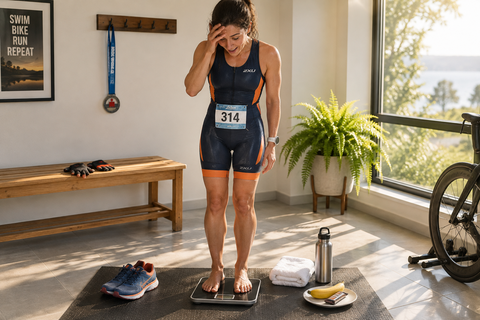
“Don’t neglect your weakest discipline, because triathlon rewards consistency across the swim, bike and run.”
Try this quick self-check:
- Rank swimming, cycling, and running from most comfortable to least comfortable.
- Choose your weakest discipline and add one extra short, easy session each week.
- Keep the other two ticking over.
You don’t need to become a great swimmer in two weeks. The goal is to feel more prepared and less anxious about one part of the race.
Rule 3: Trust your training
“Don’t cram in the final weeks. Arrive fresh, and enjoy it.”
This is the taper principle applied to your mindset. You’ve done the work. A last-minute cram session won’t add fitness, but it may add fatigue, soreness, and doubt. Waugh ends with a reminder worth carrying to the start line: “You’re racing in a beautiful location, so take it in!”
The takeaway: Test your fuel, give your weakest discipline some attention, and let your training do its job.
What Comes After 30 Days
Completing a 30-day fitness challenge is a real achievement. Waugh makes that clear:
“If you’ve done 30 days in a row, you’ve already built the habit, and that’s the hardest part.”
What should you do next? Waugh’s advice is to choose a race that excites you. “It doesn’t have to be the full T100 straight away. The sprint, the new Olympic distance or a relay with friends are great ways to start.”
A simple distance ladder
- The DFC habit: 30 minutes a day
- A sprint-distance race: the shortest standard format and often a friendly first step
- A relay with friends: each person takes one leg, ideally the one they feel strongest in
- An Olympic-distance race: a step up in every discipline
- Longer formats, including the full T100: when you’re ready
A relay can be a welcoming way to try multisport racing. If you can swim but dread the run, team up with friends who enjoy running and split the race. If you’re preparing for your first event, our triathlon lifestyle apparel collection offers gear for your triathlon journey.
Find your people
Waugh also recommends making training social: “Find a local club or group, because training with others makes it so much more fun.” She shares a story many beginners will recognise: “I’ve got friends from home who never thought they were sporty, and now they’re signing up for races too.”
If you’ve ever said, “I’m not a sporty person,” you’re exactly who she’s talking about.
The takeaway: Building the habit is the hard part—and you’ve just done it. Your next goal can be small.
Your 6-Step Action Plan
- Sign up for DFC and commit to 30 minutes a day from October 31.
- Join the Dubai Ride on November 1 or the Stand-Up Paddle at Hatta Dam on November 7–8.
- Identify your weakest discipline and schedule a little extra time for it.
- Practise hydration and fuelling during training, in the heat if possible.
- Find a local club or training group.
- Choose your next event: a sprint, an Olympic-distance race, or a relay with friends.
Not in Dubai? Create your own 30x30—30 minutos al día, 30 días—with friends, then choose a local race to work toward. Our gifts for triathletes collection has ideas to support your training routine.
Final Thoughts
A world champion and a city full of beginners are working toward the same things: showing up consistently, respecting the conditions, and enjoying the process. Waugh’s athlete advice comes down to three ideas: stay sharp, don’t cram, and trust the habit you’ve built.
Start your 30 days, choose a goal that excites you, and, as Waugh says, “Just give it a go!”
Ready to begin? Join DFC and register for a Dubai Ride or Stand-Up Paddle session. Then look for a beginner-friendly race or local club to help you decide what comes next. Tell us in the comments how your 30x30 is going.
Source: Gulf Today, “World champion Waugh shares training tips for DFC ahead of Dubai T100 Triathlon,” October 29, 2026.
Frequently Asked Questions
When and where will the Dubai T100 Triathlon Weekend take place?
The event will take place at Al Mamzar, with the professional women’s race scheduled for Saturday, November 14, 2026.
What is the Dubai Fitness Challenge?
The Dubai Fitness Challenge is a citywide initiative running from October 31 to November 29, 2026. It encourages residents and visitors to do 30 minutes of physical activity every day for 30 days.
What training advice did Kate Waugh give amateur triathletes?
Waugh advised athletes to respect the heat and practise hydration and fuelling, train consistently across swimming, cycling and running, and avoid cramming in training during the final weeks. She recommends arriving fresh and enjoying the race.
How should athletes train in the final weeks before the race?
Waugh says the final two weeks should focus on staying sharp rather than adding a large amount of training volume. Short, focused sessions, mobility and recovery work can help athletes prepare without overdoing it.
Which Dubai Fitness Challenge activities take place before the triathlon weekend?
Dubai Ride is scheduled for November 1, followed by Dubai Stand-Up Paddle at Hatta Dam on November 7 and 8. The programme also includes Dubai Run, Dubai Yoga, Fitness Villages and Community Fitness Hubs.
What race options did Waugh recommend for people new to triathlon?
Waugh suggested starting with a sprint-distance race, the new Olympic distance or a relay with friends rather than jumping straight into the full T100. She also encouraged beginners to find a local club or training group.
#DubaiFitnessChallenge #TriathlonTraining
Discover unique triathlon-themed merchandise, including stylish t-shirts, stickers, phone cases, and home decor - perfect for endurance sports enthusiasts and athletes. Shop now