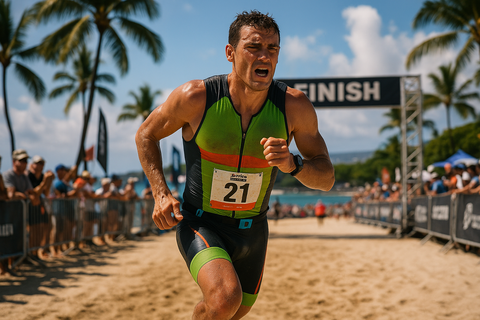

Duathlon vs Triathlon — A Beginner's Guide
A sprint triathlon can look intimidating from the outside: open-water swimming, transitions, cycling, running, and a lot of unfamiliar gear. A duathlon removes one major barrier by replacing the swim with a second run. That difference can make the right first race feel much clearer. For duathlon vs triathlon beginners, the best choice is not about which sport is tougher. It is about which starting line lets you train consistently, race confidently, and keep progressing.
Duathlon vs Triathlon for Beginners: The Core Difference
A standard duathlon follows a run-bike-run format. Most beginner-friendly events are sprint distance, often with a short opening run, a bike leg, and a final run that tests your ability to move on tired legs. A triathlon usually follows swim-bike-run, with sprint events commonly featuring a 400 to 750-meter swim before the bike and run.
Both sports reward aerobic fitness, pacing discipline, transition skills, and smart preparation. The key difference is the swim. For someone who already runs or cycles but has little pool experience, that first leg changes everything: training logistics, confidence, race selection, safety preparation, and equipment needs.
A duathlon is not a lesser version of triathlon. It is its own demanding multisport discipline. The second run is especially revealing because your legs have already worked hard on the bike. But it can be a highly effective entry point for athletes who want the structure and energy of multisport racing without forcing a rushed relationship with swimming.
Choose a Duathlon If Swimming Is the Main Barrier
If you can comfortably run and ride but feel anxious in deep or open water, start with a duathlon. This is not avoiding a challenge. It is choosing a challenge that matches your current skills.
Swimming is highly technical. Fitness from running, cycling, or strength training helps, but it does not automatically translate into efficient breathing, body position, sighting, or calm decision-making in open water. A beginner who signs up for a triathlon without adequate swim preparation can turn race day into survival mode. That makes it harder to learn pacing, fueling, transitions, and the enjoyment of competing.
A duathlon gives you room to develop your race routine. You will learn how to set up transition, mount and dismount your bike safely, manage effort across multiple disciplines, and make decisions while fatigued. Those are valuable triathlon skills, not temporary substitutes.
Choose a duathlon first if any of these statements sound familiar: you have not swum continuously for the event distance, you panic when water gets crowded, you have limited pool access, or you want a race on the calendar while you build swim ability gradually.
Choose a Triathlon If You Have a Safe Swim Foundation
You do not need to be a fast swimmer to begin triathlon. You do need enough swim competence to complete the distance calmly and safely. For a first sprint triathlon, that usually means you can swim the full race distance continuously or with controlled rests, breathe rhythmically, and remain composed around other athletes.
Pool confidence is a strong start, but race conditions matter. Open water can include limited visibility, waves, cold temperatures, wetsuits, crowds, and a different sense of direction. If your event includes an open-water swim, practice in open water only where it is safe and permitted, ideally with experienced swimmers or organized support.
A pool-based sprint triathlon can be an excellent first race for beginners who are still gaining confidence. The environment is more predictable, lanes reduce crowding, and you can focus on learning the complete swim-bike-run sequence. Check the event rules carefully, as some pool races use time-trial starts or require athletes to estimate their swim pace.
If the swim feels manageable and you are excited by the three-discipline challenge, choose the triathlon. Starting before you feel like an expert is normal. Starting before you can stay calm and safe in the water is not a worthwhile risk.
Compare the Training Commitment, Not Just the Race Distance
A sprint duathlon and sprint triathlon may take a similar amount of race-day time, but their training demands are different. Duathlon training concentrates stress on running and cycling. Triathlon spreads it across three sports, which can reduce impact from running but adds technique work and more planning.
For a beginner, a duathlon plan might include two or three runs, two rides, and one brick session each week. A brick is a bike workout followed immediately by a short run. It teaches your body to adapt to the heavy-legged feeling that appears after cycling.
A triathlon plan often includes two swims, two rides, and two runs per week, plus occasional bricks. That does not mean every session needs to be long. In fact, consistency beats heroic weekends. But access to a pool, changing time, showering, and travel can make triathlon harder to fit around work and family commitments.
There is also an injury trade-off. Runners who increase mileage too quickly can develop shin, knee, or tendon issues. A triathlon's swim sessions provide low-impact aerobic volume, while duathlon may place more repetitive load on the legs. On the other hand, adding swimming too quickly can irritate shoulders, particularly when technique is poor. The right choice depends on your background and how much training time you can protect every week.
Gear and Cost: Triathlon Requires More, But Start Simple
Both sports require a reliable bike, helmet, running shoes, suitable clothing, nutrition, and a way to carry water on longer training sessions. For a first duathlon, that is close to the full list. You do not need a triathlon bike. A well-maintained road bike, hybrid bike, or mountain bike may be accepted, depending on race rules and course conditions.
Triathlon adds swim-specific needs. At minimum, expect gafas antivaho para natación and a swimsuit or tri suit. An open-water event may also require or strongly favor a wetsuit, depending on water temperature and local rules. You may want anti-fog for goggles, a bright swim cap, and a small towel to organize transition.
The cost gap is real, but it should not decide your future in the sport. Avoid buying premium gear before your first event. Spend first on safety, comfort, and reliability: a bike service, a properly fitted helmet, shoes that do not cause pain, and swim instruction if you need it. Performance upgrades matter later, once you know what you enjoy and where your real limitations are.
Race-Day Skills That Surprise First-Timers
The most challenging part of a duathlon is often the second run. New athletes frequently push the bike too hard, then discover that their running stride feels awkward and slow. The answer is not to attack every training session. Practice controlled bike pacing and short transition runs so the sensation becomes familiar.
In triathlon, the swim sets the emotional tone. Start conservatively, find clear water if possible, and focus on a steady exhale rather than fighting for position. A few extra seconds at the start are far better than spending the next ten minutes trying to recover from panic.
Transitions are where beginners can gain confidence quickly. Lay out equipment in the order you will use it, rehearse the sequence at home, and know where you enter and exit the transition area. For both formats, learn your event's rules on helmets, bike mounting lines, drafting, and course cutoffs. Small rule details can have bigger consequences than a few minutes of fitness.
A Smart First-Race Decision
Pick a race that supports learning. Look for a sprint distance, a beginner-friendly course, clear cutoff times, straightforward terrain, and well-organized race communication. Flat is not always easy if wind is strong, and a short course can still be demanding in heat or altitude. Read the athlete guide, study the course profile, and make your decision based on your present readiness rather than a goal version of yourself.
If you choose duathlon, you can still begin swim lessons alongside training. If you choose triathlon, treat swim preparation as a non-negotiable part of the plan, not an optional extra. TriLaunchpad is built around this kind of clear progression: select the right event, assess what you can do now, then train toward the next capability.
Your first multisport race should leave you with useful data and the motivation to return. Choose the start that makes you alert, prepared, and excited when the countdown begins. That is the strongest platform for every race that follows.
![[VIDEO] Ironman World Championship: the shocking footage of collapsing Solveig Løvseth](http://triathlon.mx/cdn/shop/articles/f4fca448b0f49c699b76009abf20ff03_20x18_crop_center.png?v=1791866310)
![[VIDEO] Ironman World Championship: the shocking footage of collapsing Solveig Løvseth](http://triathlon.mx/cdn/shop/articles/f4fca448b0f49c699b76009abf20ff03.png?v=1791866310&width=480)