What You Need to Know
- 🏊♀️ Shoulder pain from swimming is often caused by overuse, technique flaws, or weak shoulder stability.
- 📚 Understanding swimming biomechanics can significantly reduce the risk of shoulder injuries. Key focus should be maintaining a high elbow position in the pull-through phase and minimizing body over-rotation.
- 💪 Adding shoulder strength and stability exercises to your training can help mitigate pain.
- 🔄 Varying your swimming strokes can help avoid overuse injuries and promote overall shoulder health.
- 🩺 Persistent pain should be evaluated by a medical professional to exclude serious issues like rotator cuff injuries or shoulder impingement.
Breaking Down Swimmer's Shoulder
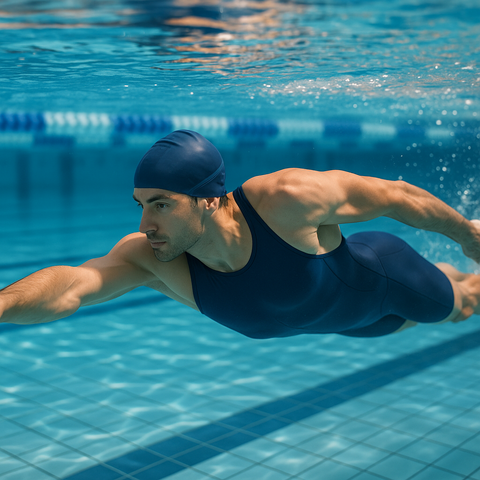
The discussion centers on the prevalent problem of shoulder pain in swimmers, highlighting its causes and preventative measures. Shoulder pain typically arises from overuse, improper technique, or inadequate shoulder strength during the repetitive motions of swimming—especially in freestyle.
Key to preventing these injuries is understanding swimming biomechanics. The emphasis is on keeping a high elbow during the stroke's pull-through, as this technique lowers shoulder strain and enhances propulsion. Furthermore, over-rotation while swimming should be avoided to reduce the risk of shoulder impingement.
Incorporating strength training and shoulder stability exercises into a swimmer's routine is vital to building shoulder resilience. Strengthening the rotator cuff and scapular muscles can promote stability and lessen injury risk. Regularly switching up swimming strokes, such as integrating breaststroke, backstroke, and butterfly, can allow different muscle groups to rest and recover, reducing the chances of overuse injuries.
If shoulder pain remains a problem despite these strategies, it's crucial to seek medical attention. Continued discomfort may signal serious medical conditions like rotator cuff injuries or shoulder impingement, warranting professional intervention or physiotherapy.
In summary, while swimming is a beneficial activity, proper technique and proactive measures are essential for avoiding shoulder pain. By understanding the sport's biomechanics, focusing on strength and stability exercises, and seeking medical advice if necessary, swimmers can enjoy a pain-free experience in the water.
Video Resource
Swimmer's Shoulder — Your Questions Answered
Shoulder pain after swimming can be due to overuse, improper technique, or lack of shoulder stability and strength. The repetitive motion, especially in freestyle, can strain the shoulder joint and muscles.
Understanding swimming biomechanics is crucial. Maintain a high elbow position during the pull-through phase and avoid over-rotation. Incorporate strength training and shoulder stability exercises into your routine to enhance shoulder stability.
Exercises that strengthen the rotator cuff and scapular muscles are beneficial. These help improve shoulder stability and can reduce the risk of injury.
Yes, regularly changing your swimming stroke can help prevent overuse injuries. Alternating between strokes like freestyle, breaststroke, backstroke, and butterfly can give different muscle groups the opportunity to rest and recover.
If shoulder pain persists despite trying these preventative strategies, it's important to seek medical advice. Persistent pain can be a sign of serious conditions like rotator cuff injuries or shoulder impingement, which may need medical treatment or physiotherapy.
🚀 Level Up Your Swim Training
Explore more expert guides, training plans, and injury-prevention resources built specifically for triathletes and swimmers.
Visit TriLaunchpad →