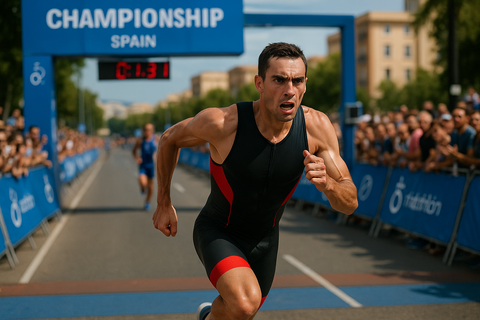
Small Town, Big Race: How Frankfort Residents Are Deciding the Future of Their Signature Triathlon
What happens when 10,000 athletes descend on a small Michigan town every September — and some locals have finally had enough? Frankfort is finding out, and the answer will shape the future of sports tourism in small communities everywhere.
Picture a quiet lakeside town buzzing with the energy of 10,000 athletes, their families, and enthusiastic supporters. This is what Frankfort, Michigan, experiences every September. Restaurants brim with visitors, hotel rooms are booked months ahead, and the atmosphere is electric, as this small town transforms into a hub of activity — something it has lived for six consecutive years.
Yet, after hosting one of North America's most grueling long-distance triathlons for six years, Frankfort faces a critical question: Is the economic boost worth the disruption to daily life? On September 2, 2026, city officials held a public hearing to gather community feedback on whether to extend the race through 2027–2030. The race on September 22, 2026, might be the final chapter — unless the town opts for three more years.
This situation resonates far beyond Frankfort. It serves as a blueprint for small towns wrestling with the trade-offs of hosting large events.
Six Years of Triathlon in Frankfort: How It Started
The triathlon did not originally come to Frankfort; it moved from Traverse City about six years ago, quickly becoming a hallmark event for Benzie County. For a town like Frankfort — nestled along the beautiful shores of Lake Michigan — hosting such an event transformed the community in profound ways.
Understanding what a long-distance triathlon entails is key. Participants must conquer a 2.4-mile open-water swim, a 112-mile bike ride, and a full 26.2-mile run — all in one day. Competitors are dedicated and invest deeply in the communities that welcome them. This combination of athleticism and economic infusion has made this race a staple of Frankfort's annual calendar.
Over the years, the event has rooted itself in the community. Locals have gotten to know recurring participants, businesses tailor their September plans around race week, and Frankfort has boosted its profile among endurance sports enthusiasts nationwide.
The Case FOR Staying: Tourism, Pride, and Lasting Economic Impact
The numbers paint a compelling picture. Each year, about 10,000 people — athletes along with their loved ones — descend upon Frankfort for the race. This influx significantly benefits the local economy, and its effects are felt well beyond the race weekend.
Joshua Mills, the Frankfort Superintendent, articulated this point elegantly:
"A lot of these racers will come to our community months leading up to the event. They come back at different times of the year because they fall in love with the beauty and the reason why we call this place home."
This sentiment highlights a powerful form of tourism. Many triathletes visit their host town several times before the race — whether to familiarize themselves with the course, adapt to local conditions, or simply to explore. When they develop a fondness for a place like Frankfort, they often return, bringing family and friends and becoming unintentional ambassadors for the area. Mills emphasizes that this goes beyond hotel occupancy: it's about building lasting relationships with visitors who might not have otherwise discovered Benzie County.
"The 10,000 people that come here, athletes and their families — we, our community, Frankfort — are creating a once-in-a-lifetime experience that will stay with them forever. And it happened here."
Such words reinforce the real impact on local businesses — hotels, restaurants, bike shops, and retailers all see an uptick in revenue. Moreover, the triathlon provides Frankfort with a distinct identity within the endurance sports community, one that can attract even more interest from visitors who spend generously.
Key Economic Benefits at a Glance
- 10,000 visitors (athletes + family members) each September
- Pre-race visits during training, broadening the economic benefit beyond a single weekend
- Off-season return visits by triathletes introduced to Frankfort through the race
- National exposure within the endurance sports community
- Increased community pride and reputation as a destination for events
The Case AGAINST Staying: Traffic, Disruption, and Resident Fatigue
However, the case against extending the event is equally noteworthy. Opponents raised valid concerns that resonate deeply within any small town hosting a major event.
The primary issues revolve around heavy traffic congestion and interruptions to daily life during race week. For year-round residents and those who work in Frankfort, an annual event that clogs the roads and affects their daily routine doesn't just feel inconvenient — it's a stressor they must navigate every year.
Road closures can hinder commuters, impact emergency response times, and complicate access for businesses. The noise and crowding add to the strain. After six years of this disruption, what began as a novel occasion may start feeling like an obligation the community never fully embraced.
This ongoing fatigue is very real and demands serious consideration. Community support for large events needs to be earned and maintained; it cannot be taken for granted each year. Past disruptions without demonstrated strategies to address resident concerns can erode even the best intentions.
Primary Resident Concerns
- Heavy traffic and road closures affecting daily commutes and access to businesses
- Increased noise and crowding during race week
- Strain on emergency services and local infrastructure
- Six years of growing disruption without adequate mitigation solutions
The Decision-Making Process: What Happens Next
The public hearing held in September was a crucial chance for Frankfort residents — both supporters and skeptics — to voice their views. This community engagement is vital for a democratic decision-making process, reflecting that city leaders recognize this decision's complexity.
The conversation doesn't stop there. Frankfort city officials will now evaluate the feedback collected before determining whether to pursue a three-year agreement covering 2027 through 2030. This commitment hinges on the assurance that economic benefits will continue to outweigh community concerns while implementing measures to address these issues head-on.
The race on September 22, 2026, has gained new significance. It's no longer just an annual event — it represents a critical juncture. If the extension isn't approved, this year might mark the end of Frankfort's journey with the long-distance triathlon.
Extending for another three years could also be seen as an opportunity for change. City leaders could negotiate better traffic management, enhanced mitigation plans, and structured agreements that directly benefit the community. The decision isn't simply about yes or no — it's an invitation to redefine how these events can work for the town.
What Frankfort's Dilemma Means for Small Towns Everywhere
Frankfort's situation is not isolated; it serves as a case study playing out in towns across the country. Small communities with natural attractions — like scenic routes and waterfront access — are becoming appealing targets for major sporting events. The lure is often enticing: economic growth, increased visibility, and tourism expansion.
Yet, the balance between event-driven economic benefits and residents' quality of life remains a complex challenge for small-town governance. This tension won't fade away on its own; it demands attention and action from leadership. Towns that manage this best typically share key qualities:
- Ongoing resident engagement — maintaining a continual dialogue between event organizers, city officials, and locals
- Measurable impact assessments — meticulous tracking of economic outcomes alongside resident satisfaction regarding quality of life
- Adaptable management — readiness to modify logistics based on community feedback
- Transparent benefit-sharing — ensuring that economic advantages extend to the broader community, not just a select few businesses
Frankfort has the advantage of six years' worth of data on its side. This information is a valuable asset, laying the groundwork for an informed decision process that other towns still starting their journey with events may not yet have. The real question is whether this data, paired with the community voices heard during the public hearing, will guide a thoughtful and sustainable future.
The Bigger Picture for Triathlon and Sports Tourism
For anyone in the triathlon community — be it an athlete, coach, or fan — this narrative emphasizes the intrinsic link between the race experience and its host community. The town's spirit, its volunteers, the distinct character of local businesses, and the beauty of the course itself are all vital components; they are the race.
Long-distance triathlons rely heavily on the local community, more so than shorter events. Athletes spend time in the area, train on local paths, and dine at nearby restaurants leading up to the event. The bond forged between competitors and their host towns in endurance sports is truly mutual — making it essential for Frankfort's residents to voice their opinions about continuing this relationship.
If you're a triathlete who has raced in Frankfort or is considering it, the current community debate is worth your attention. Towns that carefully manage this balance tend to create the best race experiences, while those that overlook community concerns may ultimately find their events weakened by participant resistance.
To prepare for your next triathlon event, consider investing in quality gear like a professional triathlon suit and swimming goggles with anti-fog technology to ensure optimal performance during the swim portion of your race.
Key Takeaways
- Frankfort, Michigan, is deciding whether to extend its long-distance triathlon hosting through 2027–2030 after a successful six-year run.
- Supporters point to 10,000 annual visitors, ongoing tourism, local business revenue, and enhanced community identity as reasons to continue.
- Opponents highlight concerns about heavy traffic, road closures, daily disruptions, and the cumulative impact on the community from six years of hosting.
- A public hearing in September 2026 allowed residents to express their views; city officials will review feedback before making a final decision.
- The race on September 22, 2026, could mark the end of Frankfort's association with this specific long-distance triathlon if the extension is not approved.
- This decision illustrates a broader issue facing small towns nationwide: the challenge of balancing economic development with the quality of life for their residents.
Have you raced in Frankfort — or in any small-town endurance event where the community's involvement shaped your experience? Share your thoughts in the comments below. Check back for updates as Frankfort city officials make their decision regarding the 2027–2030 extension.
Is your town contemplating hosting a major race or endurance event? The Frankfort experience offers valuable insights to consider before moving forward.
Source: upnorthlive.com — Frankfort Weighs Future of Long-Distance Triathlon After Six-Year Run
Frequently Asked Questions
What is the current status of the long-distance triathlon in Frankfort?
Frankfort city leaders are currently considering whether to renew the long-distance triathlon agreement for another three years, following a public hearing where residents expressed their opinions on the event.
How long has the long-distance triathlon been held in Frankfort?
The long-distance triathlon has been hosted in Frankfort for the past six years, having moved from Traverse City.
What are the main concerns among residents regarding the triathlon event?
Many residents are concerned about the heavy traffic and disruptions to daily life that the long-distance triathlon brings to the community.
What benefits do supporters of the triathlon highlight?
Supporters emphasize that the triathlon attracts thousands of visitors to the area, boosts local businesses, and creates memorable experiences for participants and their families.
What is the next step for Frankfort city officials regarding the triathlon?
City officials will review the public feedback received during the hearing before making a decision on whether to pursue another agreement for hosting the long-distance triathlon from 2027 through 2030.