Tarragona Tourism: How the 2026 Europe Triathlon Championships Elevated a UNESCO Heritage Destination
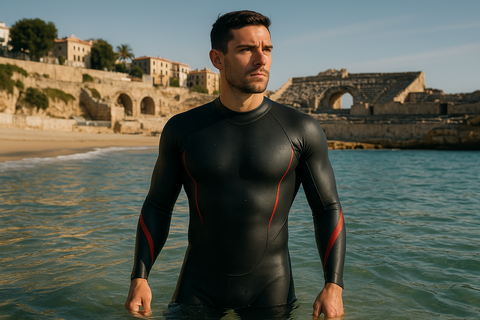
Imagine spending your morning wandering through a 2,000-year-old Roman amphitheater with the Mediterranean Sea shimmering behind ancient stone arches, then changing into your swimsuit to hit a golden sandy beach by afternoon. That's not a travel fantasy — that's a typical day in Tarragona.
While Barcelona often steals the spotlight in Catalonia's tourism narrative, Tarragona has been quietly crafting one of Europe's most compelling destination portfolios. In 2026, the Europe Triathlon Championships provided the world with a clear reason to take notice.
The championships didn't just fill hotel rooms and restaurants; they served as a global spotlight, highlighting a destination that combines world-class athletic infrastructure, three UNESCO recognitions, 15 kilometers of coastline, and a culinary culture rooted in centuries of Mediterranean tradition. For active travelers, history enthusiasts, food lovers, and families alike, Tarragona is emerging as a rare destination that genuinely delivers on every front — without the crowds that overwhelm its more famous Catalan neighbor.
In this guide, you'll discover how sports tourism catalyzed Tarragona's rise, what its triple UNESCO recognition means for your visit, and why this Mediterranean gem deserves a permanent spot on your travel radar.
Sports Tourism as a Destination Supercharger: The Triathlon Championships Case Study
How Major Sporting Events Become Global Marketing Platforms
Cities worldwide fiercely compete to host international sporting events because the return on investment extends far beyond ticket sales and hotel bookings during race weekend. Elite competitions generate multi-layered tourism impact that ripples outward for months and years after the final athlete crosses the finish line.
Consider what a major championship brings to a destination: elite athletes and their support teams, national federations and officials, international media crews, and passionate spectators who travel specifically to watch. Each group has different spending patterns, lengths of stay, and appetites for exploring the host city. Collectively, they fill rooms, pack restaurants, hire transportation, and post thousands of photos to social media — reaching audiences who may never have considered that destination before.
For Tarragona, the 2026 Europe Triathlon Championships delivered exactly this kind of multi-layered impact. The event attracted competitors from across Europe, transforming Tarragona's seafront into an international stage. In the elite men's competition, British athlete Oliver Conway claimed victory, followed by fellow Briton Michael Gar in second place and Spain's Roberto Sanchez Mantecon finishing third on home soil — to significant local enthusiasm. In the women's race, Lisa Tertsch of Germany took gold ahead of Belgium's Jolien Vermeylen and Valentina Riasova in third.
These results generated genuine headlines across European sports media. More importantly for Tarragona's tourism future, each headline included the city's name and, often, imagery of its remarkable setting.
Beyond the Race: Sports Tourism as Diversification Strategy
The strategic intelligence behind Tarragona's approach lies in what happened around the competition, not just during it. Rather than treating the triathlon championships as a contained sporting event, city tourism authorities used it as a platform to showcase every dimension of what Tarragona offers.
Athletes and spectators explored Roman ruins between training sessions. Media crews captured footage of the coastline and historic center alongside race coverage. Visiting officials dined at local restaurants and discovered regional specialties they'd never encountered before. In this way, a single sporting event became a comprehensive destination showcase — reaching audiences of active travelers, sports enthusiasts, history buffs, and culinary explorers simultaneously.
This approach reflects a growing sophistication in destination marketing. Sports tourism is expanding rapidly across Europe as cities recognize that athletic events attract a particularly valuable visitor segment: active, health-conscious travelers aged 25–45 who typically have disposable income, travel frequently, and make decisions based on both the event itself and the quality of the surrounding destination experience.
For triathlon specifically, the sport's community is global and deeply connected. Triathletes from Latin America — including Mexico, Brazil, Argentina, and Colombia — follow European championship results closely, and many aspire to travel to race venues or simply experience the destinations where their sport's elite events unfold. Tarragona just earned significant visibility in that community.
A single sporting event became a comprehensive destination showcase — reaching audiences of active travelers, sports enthusiasts, history buffs, and culinary explorers simultaneously.
Long-Term Implications for Tarragona's Tourism Future
Successful championship hosting creates a compounding effect. A destination that proves it can manage international sporting events with excellence positions itself for future bids — and each subsequent event generates another wave of international exposure. The hospitality infrastructure improvements made ahead of any major event also benefit all subsequent visitors, regardless of whether they're attending a competition or simply exploring on vacation.
For Tarragona, 2026 represents not a one-time boost but a strategic stepping stone in a longer journey toward established status as a premium European sports tourism destination.
Triple UNESCO Recognition: Tarragona's Competitive Differentiator
What It Means to Earn UNESCO Acknowledgment Three Times
In a crowded European tourism market where every destination claims to be "unique," UNESCO recognition carries genuine weight. It represents rigorous international validation — an independent assessment that a destination's heritage, traditions, or cultural practices have universal significance worth preserving for all of humanity.
Most destinations that achieve UNESCO status do so in a single category. Tarragona has achieved it three times — making it exceptional not just within Catalonia but within Spain and Europe broadly. Understanding what those three designations cover reveals why Tarragona's tourism identity is so genuinely distinctive.
The Roman Archaeological Legacy
Tarragona's Roman heritage isn't a reconstructed attraction or a museum interpretation. It's the real thing, preserved in place, open to exploration, and internationally validated as one of the best-preserved examples of Roman civilization anywhere on the Iberian Peninsula.
The city served as a major Roman administrative center, and the physical evidence of that period remains dramatic. The Roman Amphitheatre, perched dramatically overlooking the Mediterranean Sea, allows visitors to stand in a space where crowds gathered 2,000 years ago — with essentially the same view of the sea that those ancient spectators enjoyed. The Ferreras Aqueduct demonstrates the engineering sophistication of Roman infrastructure at a scale that still inspires awe.
For heritage travelers and history enthusiasts, this represents something increasingly rare: authentic historical immersion without the overwhelming crowds that plague better-known Roman sites elsewhere in Europe. Tarragona offers world-class archaeology in a destination that remains genuinely accessible and explorable.
Castells: Living Heritage That Cannot Be Replicated
The second UNESCO recognition covers castells — the Catalan tradition of building human towers through coordinated community participation. Unlike Roman ruins, which are static historical artifacts, castells represent living heritage: a practice actively maintained, performed, and evolved by real communities in real time.
Watching a castell performance is a genuinely extraordinary experience. Dozens of participants create a human base, then additional climbers ascend to form increasingly narrow tiers until a small child — the enxaneta — reaches the summit and raises a hand to signal completion. The entire structure represents trust, community cohesion, physical coordination, and cultural continuity across centuries.
This experience is non-exportable. You cannot see authentic castells anywhere outside Catalonia. For travelers seeking experiences that are genuinely irreplaceable — not reproducible in another destination, not approximated by a performance at a theme park — this is exactly what they're looking for.
Mediterranean Gastronomic Culture
The third UNESCO recognition covers something even more all-encompassing: Mediterranean gastronomic culture. This designation acknowledges the food traditions, production systems, and culinary knowledge that have developed over centuries in coastal Mediterranean communities — traditions that Tarragona embodies with particular authenticity.
This isn't just a certificate that a few local restaurants can feature on their menus. It validates an entire ecosystem of food culture: the farmers growing specific ingredients, the fishermen maintaining traditional practices, the home cooks preserving recipes, and the market vendors connecting producers to consumers. For culinary travelers, UNESCO-recognized gastronomy signals authentic, rooted food experiences rather than tourist-facing approximations.
The Mediterranean Coastline: Where Ancient Meets Active
15 Kilometers of Varied Coastal Experience
Tarragona's geographic position along the Mediterranean coast is not incidental to its tourism appeal — it's foundational. The approximately 15 kilometers of coastline encompass a range of environments that suit different activities and different types of visitors.
Golden sandy beaches offer classic Mediterranean sun-and-sea experiences. Clear waters make swimming, snorkeling, and water sports genuinely enjoyable. Scenic walking routes along the coast connect beaches to each other and to cultural landmarks, making active exploration natural and rewarding. Protected natural areas provide quieter alternatives for visitors seeking solitude or wildlife observation rather than beach crowds.
The Tamarit Area: A Model for Integrated Coastal Tourism
The Tamarit area exemplifies what makes Tarragona's coastal offering distinctive. Here, natural beauty, recreational opportunity, and proximity to cultural attractions combine into an integrated experience rather than a series of separate stops on an itinerary.
Visitors to Tamarit can swim in calm Mediterranean waters, walk or cycle along coastal paths, and observe the natural environment — all within easy reach of Tarragona's urban historic center and its Roman monuments. The result is that a single day can contain genuine variety: archaeological exploration in the morning, a leisurely Mediterranean lunch, and beach relaxation in the afternoon.
This kind of experiential density — different types of meaningful experiences packed into a compact geographic footprint — is increasingly what sophisticated travelers seek. The era of single-focus beach holidays or single-focus heritage tours is giving way to demand for destinations that offer genuine variety. Tarragona is structurally positioned to meet that demand.
Year-Round Coastal Appeal
A Mediterranean climate extends Tarragona's beach season significantly compared to northern European destinations, where coastal tourism may be viable for only two or three months annually. Mild winters allow coastal walking and outdoor dining year-round, while spring and autumn offer comfortable temperatures for active exploration without summer's peak crowds.
For travelers from Latin America accustomed to warm climates, Tarragona's Mediterranean conditions will feel familiar and welcoming throughout much of the year.
Tarragona's Gastronomy: A Full Sensory Education
Why Food Tourism Drives Travel Decisions
Culinary experience has moved from a pleasant bonus to a primary motivation for travel decisions. Research consistently shows that food and drink experiences significantly influence destination selection, length of stay, and traveler satisfaction. Destinations with distinctive, authentic culinary identities attract higher-spending visitors who return more frequently and recommend their experiences more enthusiastically.
Tarragona's food culture is not manufactured for tourism. It grew organically from the city's Mediterranean location, agricultural heritage, and maritime history — and its UNESCO recognition validates that authenticity at the highest international level.
Romesco: The Flavor That Defines a Place
Every great food destination has a dish that becomes synonymous with the place itself. For Tarragona, that dish is romesco — a traditional Catalan sauce made from roasted red peppers, tomatoes, garlic, almonds, and hazelnuts. The combination produces a rich, complex, subtly smoky sauce that bears no resemblance to anything you'll find in a jar at a supermarket outside Catalonia.
Romesco is genuinely difficult to replicate far from its origin. The specific varieties of peppers, the particular techniques developed over generations, and the regional interpretation that each local cook brings to the recipe create a flavor profile that functions as a taste of place. For culinary travelers, this is exactly what they're seeking: something that can only be fully understood in context.
Seafood, Rice, and Market Culture
Tarragona's coastal location makes seafood the logical anchor of its culinary identity. Seafood-based rice dishes — variations on the paella tradition, interpreted with local ingredients and methods — are popular among both locals and visitors. Regional wine production adds another dimension to the culinary landscape, supporting winery visits, food pairing experiences, and gastronomic tourism routes.
But some of Tarragona's most authentic culinary experiences happen not in restaurants but in markets. The Central Market functions as a focal point for fresh produce, regional specialties, and genuine community interaction — the kind of place where you understand what a city actually eats, not what it serves to visitors. The Mercadet de Bonavista, recognized as one of the largest outdoor markets in the city, draws shoppers seeking local products, artisanal goods, and cultural immersion in an everyday setting.
Visiting these markets is, in the best sense, a form of cultural education. You leave understanding the rhythms of local food culture in a way that no restaurant meal alone can teach.
Festivals, Castells, and Year-Round Cultural Energy
A Festival Calendar That Sustains Visitor Interest
One of the structural challenges facing tourism-dependent economies is seasonal concentration. When visitation clusters around a few peak months, hotels and restaurants operate at extreme capacity during that window and struggle at other times. Tarragona has developed a tourism model that actively works against this vulnerability.
The city's festival calendar distributes cultural energy throughout the year, providing reasons to visit in every season. Traditional celebrations feature castells performances, music, community gatherings, and events rooted in centuries of Catalan cultural practice. These aren't manufactured tourist spectacles — they're genuine community celebrations that happen to be extraordinary for visitors fortunate enough to witness them.
The Social Media Power of Extraordinary Experiences
There's a practical marketing dimension to Tarragona's cultural offerings that deserves acknowledgment. Castells performances are among the most visually striking human experiences on earth. A human tower reaching several stories into the air, assembled and dismantled with choreographed precision by dozens of coordinated participants, generates photographs and videos that stop social media feeds cold.
When visitors witness and document these performances, they become organic ambassadors for Tarragona's tourism brand — reaching networks of friends, followers, and fellow travelers who may never have considered the destination. Authentic cultural experiences that are visually compelling and emotionally resonant create a kind of word-of-mouth marketing that no paid campaign can replicate.
Castells performances are among the most visually striking human experiences on earth — and they can only be witnessed in Catalonia.
Building Toward Sustainable, Year-Round Tourism
Tarragona's diversified tourism portfolio — heritage in every season, beach experiences in warmer months, festivals throughout the year, gastronomy as a constant draw, and sporting events as periodic catalysts — creates economic resilience that single-focus destinations cannot achieve. Hotels, restaurants, and local businesses can maintain more consistent occupancy and employment.
Frequently Asked Questions
Why is Tarragona important for tourism in Spain?
Tarragona combines UNESCO-recognized heritage, Mediterranean beaches, gastronomy, cultural traditions, and international sporting events, making it a diverse tourism destination.
What event was held in Tarragona in 2026?
The city hosted the 2026 Europe Triathlon Championships, attracting elite athletes and visitors from across Europe.
What UNESCO recognitions does Tarragona have?
Tarragona is recognized for its Roman heritage, traditional castells (human towers), and Mediterranean gastronomic culture.
What are Tarragona's main tourist attractions?
Popular attractions include the Roman Amphitheatre, Ferreras Aqueduct, Mediterranean beaches, Central Market, and cultural festivals.
Why is sports tourism important for Tarragona?
Sports tourism generates international exposure, increases visitor numbers, supports local businesses, and strengthens Tarragona's destination brand.
Is Tarragona suitable for year-round travel?
Yes. Tarragona offers cultural attractions, beaches, gastronomy, shopping, festivals, and outdoor activities throughout the year, making it a year-round destination.
Source: travelandtourworld.com