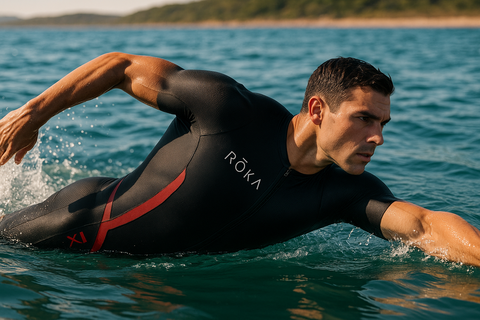
140+ Athletes Conquered the 2026 Rocketman Triathlon: Here's What Happened
Before the sun peeked over the Tennessee River, over 140 athletes were already donning wetsuits, checking tire pressure, and mentally reciting the triathlete mantra: swim, bike, run — just keep moving. What unfolded at Col. Carroll Hudson Recreation Area on race day wasn't merely a competition; it signaled the Rocketman Triathlon's transformation from a local gathering to a true regional event.
Let's dive into the details of the 2026 edition — the numbers, the course, the community, and what keeps athletes coming back year after year.
The Numbers Behind the 2026 Rocketman Triathlon
Numbers reflect the vitality of any event, and the 2026 Rocketman Triathlon is thriving. This year, over 140 triathletes lined up at the start — the largest field in the history of the race. That's over 140 individuals who coordinated training schedules, arranged travel plans, and committed to conquering three continuous disciplines in just one morning. Such dedication indicates a race that resonates with athletes.
The Sunday race format maximizes participation. Athletes from the wider Tennessee Valley region — and possibly neighboring states — can arrive on Saturday, settle in, and compete fresh, without the stress of a same-day drive. A minor detail, but one that showcases thoughtful event planning.
At a Glance — 2026 Rocketman Triathlon
Detail Info Location Col. Carroll Hudson Recreation Area, Tennessee River Total Finishers 140+ Race Format Swim → Bike → Run Race Day Sunday Experience Level Beginner-friendly and competitive
Why Col. Carroll Hudson Recreation Area Is Ideal for Triathlon
Not every venue is fit for a triathlon. The right course must offer open water, manageable currents, varied terrain for cycling and running, and ample space for a large transition area. Col. Carroll Hudson Recreation Area checks all the boxes.
The Tennessee River swim is a highlight of this location — it attracts athletes year after year. River swims often feature natural sighting landmarks, calmer waters compared to ocean races, and currents that can aid an athlete's effort. For newcomers, a manageable swim segment can transform a challenging debut into a motivating success story.
The cycling and running courses leverage the area's natural variety, offering scenic routes that showcase the true beauty of Tennessee rather than industrial loops. Spectator access is a significant advantage for smaller regional events — friends and family can cheer for their athletes multiple times throughout the course, from the swim exit to transition, along the bike route, and at the finish line. This supportive energy is invaluable and often lacking in larger urban races.
What Drives 140+ Athletes to Race?
While numbers represent participation, it's the stories of the people that truly enrich events like the Rocketman. For first-timers, a regional triathlon serves as the perfect proving ground. The field is big enough to feel legitimate yet small enough to foster a sense of community. Whether you're a 28-year-old racing for the first time or a seasoned triathlete with years of experience, there's a unique connection in sharing those jitters and triumphs.
For seasoned athletes, events like the Rocketman are calibration races. They provide vital data — from split times to transition strategy — in a less-stressful environment than a national qualifier. The demographic diversity of participants showcases triathlon's inclusivity, with athletes across age ranges contributing both experience and inspiration.
- "I was nervous, but seeing other first-timers made all the difference." — First-time participant
- "These local races are where I stay sharp for bigger goals." — Veteran athlete
- "It's amazing to see so many different people out here supporting each other." — Local racer
Behind the Scenes: Making 140+ Athletes' Day Seamless
Managing a triathlon with 140+ participants requires meticulous planning. Most finishers may not see the behind-the-scenes efforts — they're too focused on their race. Transition area management demands precision: each athlete requires a designated spot, and the route from swim exit to T1, then from bike course to T2, needs to be intuitive even for those a bit dazed halfway through their race.
Volunteer teams are the heart of these events. Community members generously donate their time to assist athletes, providing hydration and support throughout the race. Safety protocols are paramount, especially for open-water swims — with 140+ athletes finishing successfully, it's clear that thorough planning and precautionary measures paid off.
The Rocketman model — driven by community involvement, accessible venues, and approachable distances — represents a sustainable framework for growing grassroots triathlons.
The Rocketman Triathlon's Growing Influence
Regional events can have a significant economic impact that's often underestimated until you see the numbers. When 140+ triathletes arrive for a race, they boost the local economy: hotels fill up, restaurants see increased diners, and local businesses benefit from the influx of visitors. For a smaller community in Tennessee, a well-executed race can provide substantial support.
Beyond finances, the Rocketman contributes to a growing fitness culture. Athletes who finish tend to want more, recruiting training partners and joining local clubs — word-of-mouth marketing that grows the event's appeal each year. The growth from earlier years to 140+ participants in 2026 didn't happen by luck; it's the result of careful planning and a genuine commitment to athlete experience.
Looking towards 2027, continued growth is likely, especially if the focus remains on athletes and community engagement. Expect even larger fields in the coming years.
Triathlon Basics: What You Need to Know Before You Register
What is a triathlon? A multi-sport endurance event combining three disciplines — swimming, cycling, and running — in that specific order. Transition areas allow athletes to switch gear between segments. Understanding the distances before you register ensures you choose the right challenge for your current fitness level.
Common Triathlon Distances
- Sprint Distance — typically a 750m swim, 20km bike, and 5km run; ideal for beginners.
- Olympic Distance — includes a 1.5km swim, 40km bike, and 10km run; a classic competitive benchmark.
- 70.3-Distance Race — a 1.9km swim, 90km bike, and 21.1km run; requires dedicated preparation.
- Long-Distance Triathlon — covers a 3.8km swim, 180km bike, and 42.2km run, representing the ultimate endurance test.
Is the Rocketman beginner-friendly? Regional triathlons typically welcome participants of all levels, making them a great choice for newcomers. Be sure to confirm which distance category the Rocketman falls into before you register.
Ready to Race? Your Next Steps
The 2026 Rocketman Triathlon demonstrated a clear demand for well-organized, community-focused events in the Tennessee Valley. Whether you crossed the finish line this year, cheered from the sidelines, or wondered if you could ever participate — the answer is a resounding yes. Triathlons reward preparation over innate talent, and countless first-timers successfully complete races every weekend.
- Athletes: Save the date for the 2027 Rocketman Triathlon and watch for registration here.
- Community Members: Volunteer roles fill up quickly — reach out to organizers early for sign-up information.
- Local Businesses: Explore sponsorship opportunities by contacting the organizers.
- Beginners: Start training now — three months of consistent swim-bike-run practice can prepare most athletes for a sprint-distance finish.
Looking for gear to kick off your journey? Check out our triathlon suit or swimming goggles to equip yourself. And if you raced in the 2026 Rocketman — share your experience in the comments! What was your highlight? What will you do differently in 2027? The Tennessee River awaits your return.
Frequently Asked Questions
What does "Too Many Requests" mean?
"Too Many Requests" is an HTTP status code that indicates the user has sent too many requests in a given amount of time, exceeding the service's rate limit.
How can I resolve the "Too Many Requests" error?
To resolve this error, try reducing the frequency of your requests, waiting for a specified cooldown period, or contacting the service provider to understand their rate limits.
What is a client IP address and why is it mentioned in the error message?
A client IP address is the unique identifier assigned to a user's device by their internet service provider. It is mentioned in the error message to help identify the source of the excessive requests.
What should I do if I believe I am receiving this error incorrectly?
If you believe you are receiving this error incorrectly, you should contact the support team of the service you are using, explaining your situation, and providing your client IP address for reference.
Are there any tools available to monitor request limits?
Yes, many APIs provide tools or dashboards that allow users to monitor their request limits and usage, helping to avoid exceeding the allowed limits.