Where History Meets Endurance: Racing Through Gallipoli's Sacred Grounds
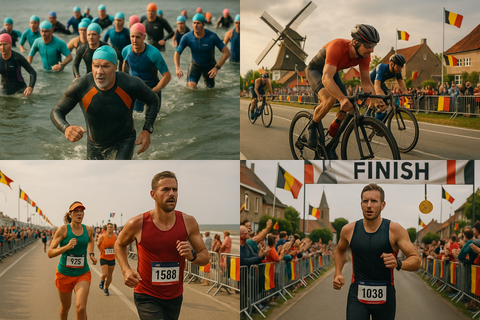
Imagine pushing through the final kilometers of a 21 km run, lungs burning and legs heavy, while passing memorials that mark one of history's most consequential military campaigns. That's not a motivational metaphor—it's exactly what competitors experienced at the 2026 Gelibolu Triathlon, Türkiye's annual middle-distance championship, held on the hallowed grounds of the Gallipoli Peninsula in Canakkale.
Nearly 200 athletes gathered in May 2026 to test their endurance across three demanding disciplines on a course unlike any other in the world. This wasn't just a race. It was a convergence of athletic ambition, national memory, and natural landscape—a combination that has made the Gelibolu Triathlon one of Türkiye's most distinctive sporting events since its launch in 2019.
Whether you're a triathlete scouting your next bucket-list race, a sports travel enthusiast, or simply someone who appreciates the power of place, this event offers something rare: a reason to compete that goes far beyond crossing a finish line.
The Course: What 193 Athletes Actually Faced
Breaking Down the Middle-Distance Format
The 2026 Gelibolu Triathlon followed the standard middle-distance format—sometimes called a half-distance race—which stacks three disciplines back to back with no rest in between:
- Open-water swim: 1.9 km
- Cycling: 90 km
- Running: 21 km
To put that in perspective for anyone newer to the sport: a middle-distance triathlon is roughly three times longer than a sprint triathlon and about one-third the distance of a full long-distance race. It's the format that demands true all-around fitness—you can't hide a weak discipline when the total effort stretches across 113 kilometers of continuous movement.
This is a serious undertaking. Athletes typically need four to six months of structured training across all three sports before attempting this distance. If you're considering your first triathlon and want to understand the gear and preparation involved, our triathlon training gifts guide is a good place to start.
Environmental Conditions: Cold Water, Changing Terrain
Race day on May 10, 2026, started tough. Water temperatures sat below 20°C at the swim start—cold enough to trigger involuntary hyperventilation in unprepared swimmers and a serious shock to the cardiovascular system within the first few strokes.
Open-water swimming below 20°C is not just uncomfortable; it's a genuine performance variable. Cold water increases drag through muscle tension, affects breathing rhythm, and can slow split times significantly compared to pool conditions. Athletes who hadn't trained in cold open water would have felt the difference immediately.
As the race progressed through the 90 km cycling stage and into the 21 km run, conditions warmed. The peninsula's changing terrain and weather across all three stages meant competitors were essentially racing in three different environments on the same day—a logistical and physical challenge that rewards adaptable athletes over specialists.
Why This Course Stands Apart Geographically
The Gallipoli Peninsula isn't flat. Its natural topography creates an organically demanding cycling route through varying elevation, coastal views, and historically preserved landscapes. Unlike purpose-built triathlon venues, this course works with the land rather than around it—which means no shortcuts and no predictability. Athletes earn every kilometer.
The Setting: More Than a Race Course
Gallipoli's Place in Turkish National Memory
The Gallipoli Peninsula—Gelibolu in Turkish—is one of the most emotionally significant pieces of land in the entire country. It was the site of the Canakkale Battles of 1915–1916, a World War I campaign that became a defining moment in Turkish national identity and the founding mythology of the modern republic. The peninsula is dotted with war memorials, cemeteries, and monuments that draw visitors from around the world.
Racing through this landscape isn't a backdrop. It's a co-author of the experience.
How History Transforms Athletic Competition
Türkiye Triathlon Federation President Bayram Yalcinkaya—who has personally raced the Gallipoli course—described the effect directly:
"Passing by monuments and memorials affects athletes emotionally, giving the competition meaning beyond just sport."
This is a phenomenon that any endurance athlete will recognize: the environment you race in shapes your mental state as much as your physical preparation. On a standard urban triathlon course, the emotional cues are neutral—spectators, road markings, timing mats. At Gallipoli, competitors pass memorials to soldiers who fought and died on the same ground over a century ago.
That psychological layer adds something that no race director can manufacture artificially. It's built into the geography itself. Athletes report heightened focus, unexpected emotion, and a sense of racing for something larger than a personal best. When your legs are telling you to slow down and you're passing a war monument, the calculus changes.
A Unique Intersection of Sport and National Pride
For Turkish athletes specifically, competing at Gallipoli carries weight that transcends athletic achievement. Victory here isn't just a national championship title—it's recognition earned on ground that represents the resilience of a nation. That combination of sporting excellence and historical memory is rare in international sports, and it's what makes the Gelibolu Triathlon a genuinely singular event on the global calendar.
The Organization: Why This Event Works
Eight Agencies, One Seamless Race
Hosting a triathlon on a protected historical site is a logistical puzzle that most event organizers would find overwhelming. The 2026 Gelibolu Triathlon solved it through an unusually broad coalition of institutional partners:
- Türkiye Triathlon Federation — primary event organizer
- Ministry of Youth and Sports
- Ministry of Culture and Tourism
- Presidency of the Canakkale Battles Gallipoli Historical Site
- Provincial Youth and Sports Directorate
- Local governorship
- Gendarmerie (Turkish military police)
- Turkish Coast Guard
Each of these organizations brings a different mandate: athlete safety, historical site preservation, maritime safety, crowd management, and sports administration. Getting them all aligned—with athletes in the water by race morning—requires months of coordination and genuine institutional trust.
The Cooperation Model That Makes It Possible
President Yalcinkaya was clear about what enables the event's consistent success:
"The event runs smoothly thanks to strong teamwork among all public institutions involved...This cooperation is a key reason for the event's success."
This isn't bureaucratic box-checking. When the coast guard is coordinating with the triathlon federation on swim safety, and the historical site authority is working alongside the gendarmerie on course access, the result is an event that feels professionally managed from start to finish—while simultaneously protecting one of Türkiye's most irreplaceable national sites.
The race began at the former Jandarma Camp, where athletes completed final preparations before the start signal was given jointly by President Yalcinkaya and Provincial Youth and Sports Director Ömer Kalkan. The ceremonial joint start reflects the shared ownership that makes this event function: no single organization holds it alone.
Seven Years of Growth: From 2019 to 2026
An Event Finding Its Audience
The Gelibolu Triathlon launched in 2019, making 2026 its seventh edition. President Yalcinkaya confirmed that interest has grown year over year since the inaugural race—a trend reflected in the 193 competitors who lined up for the 2026 edition.
For a national middle-distance championship in a country where triathlon is still developing its mass-participation base, 193 athletes represents meaningful momentum. The sport demands significant investment in time, training, and equipment, which naturally limits field sizes compared to road running or cycling events. Every additional athlete who shows up to Gallipoli represents a growing community.
Why Athletes Keep Coming Back
The combination of factors that makes Gallipoli compelling—historical significance, natural terrain challenge, strong institutional support, and a growing competitive field—creates compounding appeal. Early adopters become advocates. Word travels through training groups, social networks, and local triathlon clubs.
The event also benefits from Türkiye's broader investment in sports tourism. With government ministries directly involved in organizing and promoting the race, there's institutional infrastructure behind it that many independent triathlons simply can't match.
The Road Ahead
The trajectory points toward continued growth. As the event gains recognition beyond Türkiye's borders, the Gallipoli Peninsula's international profile—particularly among visitors from Australia, New Zealand, and the UK who travel to Gallipoli for WWI commemorations—creates a natural audience of history-conscious international athletes who might find the triathlon a compelling reason to extend their trip.
The model of combining championship-level sport with protected cultural heritage is one that other nations and regions could learn from. Gallipoli is pioneering something genuinely new in how sporting events relate to the places that host them.
The Awards: Recognition at a National Level
A Ceremony That Reflects the Event's Importance
The awards ceremony for the 2026 Gelibolu Triathlon Middle-Distance Türkiye Championship brought together officials from multiple levels of government and institutional leadership:
- Eceabat District Governor Kerem Yenigün
- Türkiye Triathlon Federation President Bayram Yalçınkaya
- Deputy Head of the Canakkale Battles Gallipoli Historical Site Zülküf Memiş
- Investment Branch Manager Sedat Bektaş
The presence of a district governor alongside a historical site official and a federation president signals the symbolic weight this event carries. Top finishers weren't just receiving medals from a sporting body—they were receiving them from representatives of the land itself.
What Winning at Gallipoli Means
A national championship title earned at Gallipoli carries prestige that a podium at a generic venue simply cannot replicate. For Turkish triathletes, this result goes on a CV as a marker of both athletic excellence and national significance. It's a credential within the sport—and a story worth telling well beyond the finish line.
What You Need to Know: Quick Reference
The Fast Facts:
- Athletes in 2026: 193 competitors
- Swim: 1.9 km open-water (below 20°C at race start)
- Bike: 90 km through peninsula terrain
- Run: 21 km across historically significant landscape
- Event history: Founded 2019; 2026 marks seventh edition
- Organizers: Türkiye Triathlon Federation + seven partner organizations
- Location: Gallipoli Peninsula, Canakkale, Türkiye
Common Questions:
What makes this triathlon different from others? The race route passes through protected WWI memorials and monuments—a psychological dimension no standard triathlon venue offers.
How hard is a middle-distance triathlon? Expect four to six months of dedicated training across all three disciplines. It's accessible to committed age-groupers but demands consistent preparation.
When does the event typically take place? The 2026 edition ran on May 10, with water temperatures characteristic of early-season racing in the Aegean region.
Can international athletes participate? Based on available information, the event functions as Türkiye's national middle-distance championship. Check the Türkiye Triathlon Federation's official website for eligibility and registration details for future editions.
Final Thoughts: A Race Worth Understanding
The 2026 Gelibolu Triathlon is more than a sporting result—it's evidence of what's possible when athletic ambition and historical consciousness occupy the same space.
Here's what the event demonstrates:
- Location is a discipline. The Gallipoli Peninsula adds a psychological and emotional dimension that changes how athletes experience the race—and why they choose to compete there.
- Institutional cooperation scales events. Eight organizations working in alignment produced a championship that a single body couldn't have managed alone.
- Sport and heritage aren't in conflict. This event proves that protecting historically significant land and hosting world-class athletic competition can coexist—and strengthen each other.
- Growing communities need anchor events. For Turkish triathlon, Gallipoli has become the championship moment that defines the competitive calendar and elevates the sport's profile nationally.
If you're a triathlete thinking about races that offer more than a finisher medal, Gallipoli belongs on your radar. If you're a sports tourism professional or event organizer, it's a model worth studying seriously.
What is the 2026 Gelibolu Triathlon?
The 2026 Gelibolu Triathlon is an annual middle-distance triathlon championship held on Türkiye’s historic Gallipoli Peninsula, featuring swimming, cycling, and running segments.
When did the 2026 Gelibolu Triathlon take place?
The event was held on May 10, 2026.
What is the format of the triathlon?
The standard middle-distance format consists of 1.9 kilometers of open-water swimming, 90 kilometers of cycling, and 21 kilometers of running.
Who organized the 2026 Gelibolu Triathlon?
The event was organized by the Türkiye Triathlon Federation, the Ministry of Youth and Sports, and several other organizations, including the Presidency of the Canakkale Battles Gallipoli Historical Site.
What were the weather conditions during the race?
Race day started with chilly conditions, including water temperatures below 20°C, but warmer weather was expected during the running phase.
What is the significance of the location for the triathlon?
The historic Gallipoli Peninsula adds emotional weight to the event, as athletes pass by important monuments and memorials, providing a deeper meaning to the competition.
How were the winners recognized?
An awards ceremony was held after the race where medals were presented to the top finishers in each category by officials from the local government and the Türkiye Triathlon Federation.