Del océano a la meta: cómo jóvenes salvavidas desarrollaron confianza, trabajo en equipo y recaudaron $5,000 para becas
Fotos de Robin Karlsson · Reportaje original de Coastal View News, 13 de agosto de 2026
Imagina una playa californiana bañada de sol donde jóvenes atletas se lanzan al Pacífico, las tablas de paddle surcan las olas y los corredores avanzan por la arena hacia un punto conocido como Jelly Bowl — todo antes del mediodía. Este es el triatlón anual Swim, Paddle & Run organizado por los Carpinteria Junior Lifeguards, una muestra del atletismo juvenil y el espíritu comunitario en la costa sur de California.
El triatlón de este verano reunió participantes desde la categoría mini hasta la avanzada, cada uno poniendo a prueba las habilidades desarrolladas durante la temporada. El resultado: podios festivos, choques de manos en la meta, recuerdos inolvidables y más de $5,000 recaudados para el programa de becas Junior Guard. La Ciudad de Carpinteria lo expresó con orgullo: "La Ciudad de Carpinteria está increíblemente orgullosa de nuestros Junior Guards y de su compromiso a lo largo del verano."
Sin embargo, la esencia de este evento va mucho más allá de los números y los reconocimientos. Lo que ocurrió en esa playa fue un viaje profundo que trasciende la simple competencia.
El reto en tres etapas: qué hace único a este triatlón
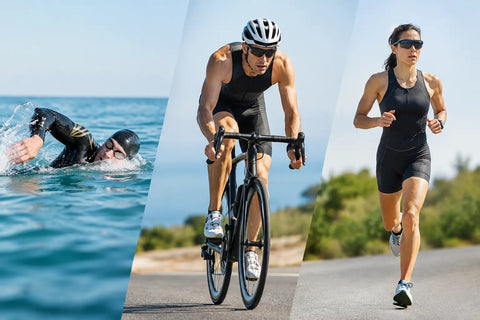
A diferencia de los triatlones convencionales — con nado en alberca, ciclismo en carretera y carrera en asfalto —, el triatlón de los Junior Guards abraza la naturaleza: océano, tabla de paddle y arena. Este exigente recorrido refleja las habilidades reales de un salvavidas y demanda adaptabilidad y resiliencia de cada competidor.
Nado en el océano: poniendo a prueba la confianza y la técnica en el agua
El triatlón arranca con un nado en el océano, un contraste total con las vueltas predecibles de una alberca. Los nadadores enfrentan corrientes cambiantes, visibilidad limitada y olas incesantes, todo mientras mantienen su ritmo — una verdadera prueba de compostura y confianza en el agua, esencial en situaciones reales de rescate.
El fotógrafo Robin Karlsson captura el momento en que los jóvenes atletas se lanzan al oleaje, convirtiendo el entrenamiento en competencia. Esta entrada no es solo un acto atlético — es un testimonio de la confianza en el agua que el instructor Armando Ramos y el dedicado equipo de entrenadores han cultivado en cada participante.
Más allá del deporte: Saber nadar en el océano es una habilidad de seguridad fundamental. Practicarla en condiciones de competencia genera la memoria muscular que los jóvenes salvavidas necesitarán mucho después de que se entreguen las medallas.
Etapa de paddle: control de la tabla y fuerza en la parte superior del cuerpo
Al salir del agua, los equipos de relevo pasan a la etapa de paddleboard. El stand-up paddle exige equilibrio, fuerza de core y la capacidad de leer las condiciones del océano — un desafío físico muy distinto al nado.
El aliento de Hazel Postma a sus compañeros antes de su turno en el paddle ejemplifica el doble espíritu de competencia y camaradería. El regreso de Isla Crooke tras el paddle y la concentrada preparación de Rylan Otsuki, Emery Epps y Kermit Seefeld reflejan la intensidad del evento.
Las operaciones modernas de salvavidas dependen cada vez más de las tablas de rescate, por lo que cada palada practicada tiene una aplicación directa en sus funciones futuras.
Carrera en la playa: resistencia en terreno desafiante
La etapa final pone a prueba a los competidores con una carrera desde la orilla hasta Jelly Bowl y de regreso, sobre arena suelta. Correr en una playa californiana es una lección de humildad — la resistencia de la arena acorta las zancadas y pone a prueba la resistencia de maneras que el asfalto nunca logra.
El arranque y la llegada de Junius Fedders capturan la esencia de la perseverancia, mientras que la disposición de Lee Nesheim para recibir el relevo de Madi Dudley y el choque de manos entre Holyn Vega e Ian Yamaoka ilustran el profundo espíritu de equipo del evento. Este formato de relevos transforma el esfuerzo individual en un logro colectivo, reforzando el ethos del salvavidas: trabajo en equipo y confianza mutua.
Más allá de la competencia: los valores que celebra el triatlón
La Ciudad de Carpinteria describe el triatlón como una celebración de seguridad acuática, condición física, perseverancia, trabajo en equipo y espíritu deportivo. No son solo palabras bonitas — se ven reflejadas en cada fotografía del día de carrera.
La seguridad acuática como base
Cada aspecto de este evento se construye sobre la competencia en el agua. Los participantes no solo compiten; demuestran la conciencia y el control necesarios en situaciones de emergencia. Con Armando Ramos guiando al grupo mini en la competencia de banderas, incluso los atletas más jóvenes aprenden a leer su entorno y a responder con disciplina.
La condición física como hábito de vida
Los eventos multideporte juveniles introducen a los niños al entrenamiento cruzado desde temprano, desarrollando resistencia cardiovascular, fuerza en la parte superior del cuerpo y potencia en las piernas. Los atletas aprenden que distintos esfuerzos requieren distintas habilidades, y que la recuperación es tan importante como el esfuerzo. La investigación muestra de manera consistente que los atletas que practican múltiples deportes tienden a mantenerse activos por más tiempo, y el triatlón de los Junior Guards siembra esa semilla desde jóvenes.
Perseverancia y resiliencia mental
Completar tres desafíos consecutivos — el frío del océano, una tabla de paddle inestable y una carrera sobre arena ardiente — exige mucho más que condición física. Requiere seguir adelante cuando el cansancio aparece. Cada participante que cruzó la meta respondió a la pregunta: "¿Vale la pena?" Esa sensación de haber ganado algo genuinamente difícil perdura mucho después del día de carrera.
Trabajo en equipo y espíritu deportivo
Las fotos del día de carrera revelan algo más que competencia: atletas animándose activamente entre sí. El aliento de Hazel Postma, la celebración de Holyn Vega con Ian Yamaoka y las divisiones de relevos fomentan un espíritu de éxito colectivo. Enseñar a los jóvenes atletas a apoyar genuinamente a sus rivales mientras luchan por ganar es una lección social compleja que este programa transmite de forma natural.
"Los participantes se animaron mutuamente durante todo el evento." — Ciudad de Carpinteria
El impacto de las becas: recaudación comunitaria en acción
Más de $5,000 recaudados para las becas Junior Guard
El impacto del triatlón va mucho más allá del logro atlético: se recaudaron más de $5,000 para el programa de becas Junior Guard. Los programas de deportes acuáticos juveniles tienen costos reales — equipo, instrucción, instalaciones — y sin becas, corren el riesgo de volverse exclusivos. La recaudación del triatlón contrarresta esto directamente, asegurando que todos los niños, sin importar su situación económica, puedan participar.
Qué hace posible el financiamiento de becas
Las becas hacen más que cubrir cuotas; diversifican los grupos y garantizan que el talento futuro no quede excluido por barreras económicas. Hacen que los valores declarados del programa — trabajo en equipo, inclusión, comunidad — sean una realidad operativa y no solo una aspiración. Los junior guards aprenden que su evento financia a los participantes del futuro, conectando el logro personal con una causa más grande.
Inversión comunitaria en el desarrollo juvenil
El apoyo institucional de Carpinteria, la instrucción profesional y el éxito en la recaudación evidencian una sólida infraestructura comunitaria alrededor de este programa. No es un campamento aislado, sino una tradición anual con resultados medibles y responsabilidad colectiva. Las comunidades que invierten en programas de seguridad acuática juvenil se benefician más allá de la playa — los jóvenes capacitados se convierten en futuros salvavidas, socorristas y líderes comunitarios.
Conoce a los competidores: todas las divisiones
El alcance del triatlón a través de los grupos de edad es una de sus cualidades más destacadas. Desde los mini guards hasta los competidores avanzados, cada división aporta una energía única, y cada nombre en los resultados refleja un verano de dedicación.
División mini: construyendo las bases
La división mini contó con entusiastas competidores como Cameron Bryan, Levi Kucharski, Crosby Bass, Judah Pennington, Joseph Zannon, Bennett Davis y Hunter Lane, quienes participaron tanto en el triatlón como en la competencia de banderas. Las niñas mini Naoli Dias-Bottoms, Malia Peralta, Seleste Conti, Reese Towers, Emmie Towers y Lotus Yamamura-Armstrong aportaron una energía que recuerda a los espectadores por qué importan los deportes juveniles. La exposición temprana a la competencia acuática estructurada fomenta una conciencia de seguridad y confianza que dura toda la vida.
División intermedia: el punto ideal para el desarrollo atlético
La división intermedia — que incluye a Indie Aresco, Evie Mayer, Darlah Goodfield, Noah Donahue, Ascher Chenoweth, Mahana Peralta y Margaux Prins — representa una etapa clave para el perfeccionamiento técnico y la adquisición acelerada de habilidades. Los atletas en este nivel suelen experimentar grandes avances en confianza al dominar habilidades genuinamente desafiantes en condiciones competitivas reales.
División avanzada: pares que lideran a pares
La división avanzada mostró a competidores experimentados como Madi Dudley, Hayden Lewis, Lee Nesheim, Rylan Otsuki, Davis Otsuki, Agnes Rankin, Hallie Mayer, Marea MacMurray, Luella Runhaar, Jane Mayer, Hazel Postma, Anton Cross, Frankie Stewart, James Melton, Holyn Vega, Summer Ziegler, Amaya Kuryliw, Isla Crooke y Emma Crooks.
Estos atletas no solo compiten — son un modelo de excelencia. Los mini guards que observan la carrera avanzada ven su propio futuro. La mentoría entre pares en el deporte juvenil es una poderosa fuerza de desarrollo, y este evento la fomenta de manera natural gracias a su estructura de múltiples divisiones.
Por qué este evento importa más allá de Carpinteria
Un modelo para programas juveniles de seguridad acuática
El triatlón de los Carpinteria Junior Lifeguards es un evento local con lecciones universales. Su combinación de competencia multideporte, divisiones inclusivas por edad, instrucción profesional y recaudación comunitaria crea un modelo adaptable a cualquier programa juvenil. El ahogamiento sigue siendo una de las principales causas de muerte accidental en niños, y los programas que hacen que la educación en seguridad acuática sea atractiva, competitiva y respaldada por la comunidad abordan este riesgo de forma sostenible, convirtiendo la competencia en el agua en una identidad y no solo en una lección.
Formando futuros líderes comunitarios
Los programas de junior lifeguards producen algo más que buenos nadadores — cultivan jóvenes con vocación de servicio y responsabilidad cívica. Los atletas que pasan el testigo en un relevo, animan a sus rivales y recaudan fondos para becas practican hábitos de liderazgo comunitario que se multiplican a lo largo de toda una vida. El océano exige presencia, adaptabilidad y confianza en el entrenamiento — cualidades que toda comunidad necesita de sus futuros líderes.
Inclusivo por diseño
Un aspecto significativo de este triatlón es su estructura deliberada: divisiones inclusivas por género, categorías para múltiples edades y acceso financiado por becas. Normaliza la participación de las niñas al más alto nivel, da la bienvenida a los participantes jóvenes a un espacio competitivo genuino y elimina las barreras económicas mediante una recaudación integrada. La playa no discrimina, y el acceso a las habilidades que la hacen segura tampoco debería hacerlo.
Conclusiones clave
Tras una mañana de nados en el océano, sprints en paddleboard y carreras en la arena, el triatlón de los Carpinteria Junior Lifeguards entregó:
- Desarrollo multidimensional — seguridad acuática, condición física, resiliencia mental y trabajo en equipo en un solo evento
- Más de $5,000 recaudados para becas que amplían el acceso al programa
- Competencia inclusiva en divisiones mini, intermedia y avanzada
- Orgullo comunitario respaldado por el apoyo institucional de Carpinteria
- Habilidades para toda la vida que van mucho más allá del verano
Qué puedes hacer tú
Si eres padre, madre o tutor: Explora los programas de junior lifeguards y las oportunidades de deportes acuáticos juveniles en tu área. Muchas comunidades costeras y lacustres ofrecen programas similares a través de sus departamentos de parques y recreación. La confianza temprana en el agua es un regalo invaluable.
Si eres miembro de la comunidad: Apoya los programas de seguridad acuática juvenil con donaciones, como voluntario o simplemente asistiendo a animar. Eventos como este prosperan gracias a la energía y la visibilidad comunitaria.
Si eres educador o promotor de programas: Comparte historias como la de Carpinteria. Documenta los resultados. Conecta los programas de becas con las familias que los necesitan. El modelo funciona mejor cuando más comunidades saben que existe.
Así como Hazel Postma animó a sus compañeros antes de su etapa de paddle — encarnando el espíritu del programa —, practicó algo que la competencia sola no puede enseñar: invertir en el éxito colectivo justo cuando tu propia carrera está a punto de comenzar. Esa es la verdadera meta. El océano espera a la próxima generación de jóvenes seguros, capaces y comprometidos. En Carpinteria, ya están corriendo hacia él.
¿Buscas equipar a un joven atleta de deportes acuáticos? Encuentra inspiración para todos los niveles con los goggles de natación Arena y los trajes de triatlón disponibles en nuestra tienda.
Preguntas frecuentes
¿Qué pruebas incluye el triatlón de los Junior Guards?
El triatlón incluye nado en el océano, paddle y carrera en la playa.
¿Cuál es el propósito del triatlón de los Junior Lifeguards?
El triatlón celebra habilidades como la seguridad acuática, la condición física, la perseverancia, el trabajo en equipo y el espíritu deportivo, y también funciona como evento de recaudación para el programa de becas Junior Guard.
¿Cuánto dinero se recaudó durante el triatlón?
Durante el evento se recaudaron más de $5,000 para el programa de becas Junior Guard.
¿Cómo viven los participantes la experiencia del triatlón?
Los participantes reportaron sentir una gran satisfacción gracias al aliento y el apoyo mutuo durante la competencia.
¿Dónde se realizó el evento?
El triatlón tuvo lugar en la playa de Carpinteria, California.
Fuente: Coastal View News — Junior Guards Dominate Beach for Annual Triathlon