Left for Dead on a Wisconsin Road, Now Racing in Hawaii: Kevin Breitzmann's 16-Year Comeback Story
How one man went from a near-fatal truck crash to qualifying for the world's most exclusive long-distance triathlon — and what his journey teaches us about resilience, discipline, and the power of small steps.
The Moment Everything Changed
A Training Ride Turns Catastrophic
Kevin Breitzmann has always had a passion for triathlon, a sport that demands everything from the swimmer, the cyclist, and the runner all at once, rewarding those who show up consistently. In 2008, he was training for a triathlon event when a truck changed his life in an instant. The crash was horrific. His leg was severely damaged, and he suffered a serious concussion along with multiple traumatic injuries that left him in critical condition. Those moments marked a lifetime memory for him and his loved ones.
Survival Was Not a Guarantee
"I was almost killed," Breitzmann recalled. "The paramedics didn't think I'd live. The ER doctors didn't know if they'd be able to save my leg. I was pretty beat up." This isn't a story about a minor scrape — Breitzmann was fighting for his life and grappling with the frightening possibility of losing the leg crucial for his athletic pursuits. The physical trauma was only part of the struggle. Experiencing a near-fatal crash alters more than just the body — it can profoundly impact the mind. Returning to the very same sport on similar roads after such an accident requires immense courage and focused effort.
Three Years to a Starting Line
The next three years were not spent idly for Breitzmann. He underwent a rigorous rehabilitation process — all while rebuilding his strength after the accident. Focusing on cardiovascular fitness, leg strength, coordination, and endurance, he ultimately achieved the psychological milestone of getting back on his bike. By 2011, he was ready to accomplish something remarkable. His story mirrors that of other athletes who have overcome extraordinary challenges, proving that age and adversity are not barriers to achievement.
Completing the First of 13 Long-Distance Triathlons
What a Full-Distance Triathlon Actually Demands
A full-distance triathlon comprises 140.6 miles — a 2.4-mile open water swim, a 112-mile bike ride, and a 26.2-mile run (a full marathon). This is among the most physically demanding events in endurance sports. Top athletes dedicate their lives to training for it, and even fit adults find it extremely challenging. Remarkably, Breitzmann completed his first full-distance triathlon just three years after his near-fatal ride. Understanding what constitutes competitive times in long-distance racing provides context for his achievement.
Discipline as a Daily Decision
What made Kevin different from those who might have given up? He is refreshingly candid about his experience — avoiding the usual motivational clichés. "It's not easy. It's a lot of discipline," he shared. "Some days, you don't want to train, but you get up and do it anyway." That's it — the essence of discipline is a conscious choice made ahead of those tricky emotions. When 5 a.m. rolls around and the memory of what happened comes flooding back, Breitzmann found the will to rise and train anyway. Developing this consistency is explored in depth through modern training methodologies and coaching approaches.
13 Races and a Dream Called Kona
What It Takes to Reach the Legacy Championship
The Legacy Championship in Kona, Hawaii, isn't just a race you register for — it's one you earn. This requires years of continuous competition, including a minimum of 12 previously completed full-distance triathlons. This program honors commitment and dedication — qualities most people struggle to maintain. To earn his chance, Kevin completed 13 full-distance triathlons over the span of more than a decade: 13 races × 140.6 miles each equals over 1,800 miles of racing. Across various years, locations, and weather conditions, each event demanded months of swim-bike-run training. This journey wasn't a one-off comeback — it became a lifestyle, founded on the recovery that almost sidelined him forever.
The Coach Who Saw It All
Behind each remarkable athlete is a coach who grasps not only the physical side but also the mental aspect. Jeff Melcher, a certified triathlon coach at Cycling Form & Fitness LLC in Grafton, Wisconsin, has supported Breitzmann throughout his journey. "He's risen to the occasion," Melcher said. "He decided he wanted to get back on his bike, run, swim, and work towards his dream — going to Kona." Coaches witness their athletes at their lowest points — during rough training days, when fatigue accumulates, and when the ultimate goal seems out of reach. When a coach speaks of an athlete's resilience with such conviction, you know it matters.
Preparing for Hawaii: Training in the Wisconsin Heat
The Unique Challenge of Racing in Kona
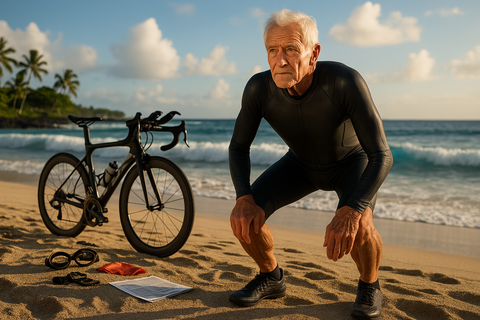
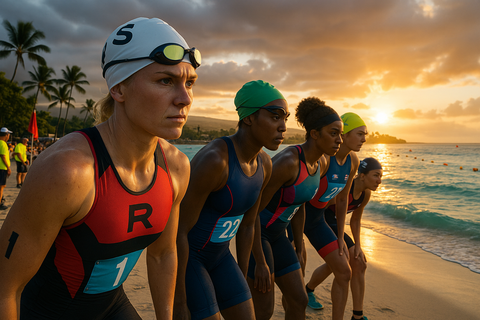
Kona is not just a long-distance championship — it's one of the most challenging race environments out there. The open water swim occurs in the Pacific Ocean, while the bike course cuts through volcanic lava fields under the tropical sun, with crosswinds that can challenge even seasoned cyclists. Finally, the marathon run takes place in humid, scorching heat. For someone accustomed to the temperate Midwest climate, this shift to Hawaii presents a significant challenge. Adapting to heat — an essential aspect of success — requires consistent exposure and preparation.
Turning Off the AC: An Unconventional Preparation Strategy
Breitzmann and his coach, Jeff Melcher, embraced a practical heat training strategy: they simply turn off the air conditioning during workouts at Kevin's home facility. This may sound straightforward, but it's grounded in solid science. Heat acclimatization allows the body to adjust to hotter conditions through repeated exposure over time. While elite athletes might head to specialized facilities, Kevin focuses on creating the right conditions right in Wisconsin. This reflects the essence of the entire story: finding resourceful, disciplined paths to move forward instead of waiting for ideal circumstances.
The Mental Game Before the Start Line
After completing 13 races over more than ten years, Breitzmann enters Kona with a unique type of confidence — not arrogance, but the certainty that he's done the work. "I think it's going to be all the years of effort I've put in coming together at once," he said. He doesn't predict a top finish; rather, he describes a culmination of 16 years of effort, sacrifice, rehabilitation, and daily discipline all converging into one monumental race day in Hawaii.
"I think it's going to be all the years of effort I've put in coming together at once." — Kevin Breitzmann
The Legacy: What Kevin's Story Teaches All of Us
Goal-Setting That Actually Works
Kevin Breitzmann isn't a professional athlete. He lacks a support team of nutritionists, a limitless training budget, or a perfect recovery routine. The journey began with a goal, a coach, and the commitment to take small, consistent steps over a long period. His advice is straightforward and practical:
"If there's something you really want to do, set your sights on it and take little steps to reach that goal."
"Little steps." They aren't grand gestures or flawless training weeks — they're about consistently making small choices that build up over time. This principle applies whether you're selecting the right gear to support your training or committing to daily discipline. This is the roadmap that took a man who faced possible amputation and turned him into a 13-time finisher of one of the toughest events in sports.
Redefining What's Possible After Injury
For triathlon communities throughout North America — and the growing number of Latin American athletes competing in Mexico, Central America, and the U.S. — Kevin's journey shatters a common myth: that serious injury ends an athletic career. Reflect on the medical outlook in 2008: uncertain survival, a leg that might not be saved. Now, picture the outcome: at 55, he's completed 13 full-distance triathlons and is headed to the world championship. The gap between those two realities is filled entirely with commitment, consistent effort, and a refusal to recognize limitations.
What Comes After Hawaii
After completing his 14th race in Kona, Breitzmann plans to remain active, continuing his participation in triathlons — though perhaps easing the full-time intensity that 140.6-mile races entail. This isn't stepping back; it reflects the wisdom of someone who has already achieved so much. His experience will inspire others within the triathlon community, providing mentorship or simply serving as an aspiring example. In a sport where camaraderie is paramount — where supporters encourage each other across finish lines — stories like his profoundly matter.
5 Takeaways From Kevin Breitzmann's 16-Year Journey
- Resilience is built, not inherited. Kevin wasn't born exceptional; he chose to keep moving forward, time and again.
- Small steps accumulate into extraordinary results. Thirteen races, tackled one at a time. That's how you get to Kona.
- Mindset is as trainable as muscle. The psychological aspect of returning to cycling post-accident was as pivotal as his physical recovery.
- The right coach makes a difference. Jeff Melcher not only fortified Kevin's physical capabilities but also kept him accountable to his dreams.
- Your setback doesn't dictate your potential. The ER doctors in 2008 wouldn't have predicted Kona; neither could Kevin at that moment. Yet, he made it happen.
Your "Kona" Is Waiting
Kevin Breitzmann's story is extraordinary, yet it's crafted from everyday choices. It's about daily decisions, consistent training, setting specific goals, having a trusted coach, and mustering the will to rise on days when you'd prefer to stay in bed. While few of us may ever take on a 140.6-mile race in Hawaii, we all have our own versions of Kona — those meaningful goals that seem distant and challenging, requiring us to show up even on tough days.
What's your Kona?
Whether you're a novice triathlete unsure where to start, a seasoned runner eyeing a long-distance event, or someone navigating the aftermath of your own 2008 crash — take inspiration from the same blueprint. Set your sights high. Focus on the small steps. Get up, especially on the tough days. And if you're ready to gear up for your journey, exploring the right equipment is a fantastic first step. Check out our triathlon suit, swimming goggles, and running shoes to assemble your kit one thoughtful piece at a time.
Kevin Breitzmann's comeback begins with a truck on a Wisconsin road in 2008. Your journey starts today.
Frequently Asked Questions
Who is Kevin Breitzmann?
Kevin Breitzmann is a 55-year-old athlete from Germantown, Wisconsin, who is heading to Hawaii to compete in the long-distance triathlon world championship after surviving a severe accident in 2008 while training for a triathlon.
What happened to Kevin in 2008?
In 2008, Kevin was struck by a truck while training on his bicycle. The accident severely injured his leg and caused a serious concussion, with doctors unsure if he would survive or if they could save his leg.
How many long-distance triathlon competitions has Kevin completed?
Kevin Breitzmann has completed 13 full-distance triathlons and is preparing to compete in his 14th at the world championship in Hawaii.
What feelings does Kevin associate with his upcoming race in Hawaii?
Kevin feels that the upcoming race will be a culmination of all the hard work and years he has dedicated to training and recovery since his accident.
What does Kevin hope to achieve with his story?
Kevin hopes to inspire others to pursue their own goals and beliefs by showing that with determination and effort, one can overcome challenges and achieve dreams.
How does Kevin prepare for the Hawaiian heat during training?
To simulate the Hawaiian heat during training, Kevin's coach, Jeff Melcher, has him train at an at-home facility with the air conditioning turned off.
Original reporting by Marcus Aarsvold, TMJ4 News, Milwaukee, Wisconsin. Source: TMJ4.com