Can Beginners Do Ironman?
A full-distance IRONMAN is not a test of whether you were born athletic. It is a 3.8 km swim, 180 km bike ride, and 42.2 km run that rewards patient preparation, consistent training, sensible pacing, and smart recovery. So, can beginners do Ironman? Yes, but the right answer depends less on your starting speed and more on your willingness to build skills over time.
For many first-time triathletes, an IRONMAN finish is achievable within 12 to 24 months. That timeline is not a rule. A confident swimmer with a cycling background may progress sooner, while someone learning to swim or rebuilding fitness after a long break may need longer. The goal is not to rush toward the biggest start line. The goal is to arrive prepared enough to enjoy the process and finish safely.
Can Beginners Do Ironman Safely?
A beginner can train for IRONMAN safely when their plan matches their current fitness, available time, injury history, and experience in open water. The risk is not being new to triathlon. The risk is trying to compress months of endurance development into a few intense weeks.
Full-distance racing places a real demand on your body and schedule. During peak training, many athletes need 10 to 16 hours per week, sometimes more, including a long bike ride, long run, swimming, strength work, fueling practice, and recovery. That does not mean every week needs to be huge. It means your life needs enough room for steady training without sacrificing sleep, work responsibilities, or family relationships every weekend.
Before committing, be honest about your baseline. You do not need to be an elite runner or cyclist, but you should be able to train consistently for several months. If you have chest pain, persistent fatigue, an old injury that returns under load, or a medical condition that affects exercise, get clearance from a qualified medical professional before beginning a high-volume plan.
Your swim confidence matters more than speed
The swim is often the most intimidating part for beginners because it happens first and usually in open water. You do not need a beautiful freestyle stroke, but you do need calm, repeatable control of your breathing and body position.
Before entering a full-distance race, aim to complete regular pool swims of 2,500 to 3,500 metres and several open-water sessions in safe, supported conditions. Practice sighting, swimming near other athletes, using your wetsuit if permitted, and recovering your composure after a hard effort. Panic costs more energy than poor technique.
The bike is where the day is decided
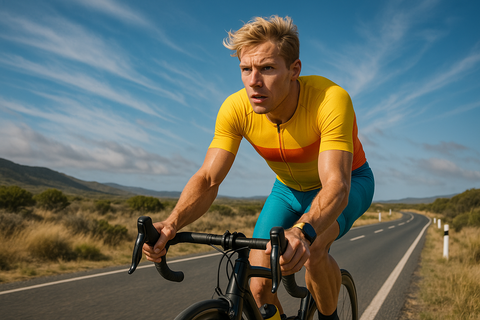
The bike leg is the longest part of an IRONMAN and usually the biggest opportunity to make a beginner mistake. Riding too hard early can turn the marathon into a painful walk-run. Your training should build from shorter rides to long, controlled endurance sessions, while teaching you how to eat and drink on the bike.
A useful benchmark is being able to ride for four to six hours at an easy, sustainable effort while fueling comfortably. The exact distance will vary with terrain, weather, and fitness. What matters is finishing the ride with enough energy to run easily afterward, not proving how fast you can ride.
Build Toward Ironman in Stages
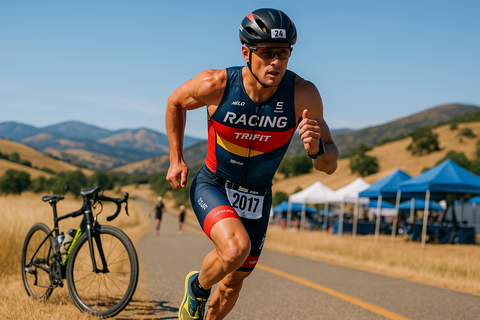
The strongest long-course athletes rarely start with a full-distance event. They build race skills one layer at a time. A sprint triathlon teaches transitions, open-water logistics, and how your body responds when you combine three disciplines. An Olympic-distance event develops pacing. A 70.3 race shows you how to manage a longer day, nutrition, and fatigue.
You do not have to race every distance before a full IRONMAN, especially if logistics or budget make that difficult. But completing at least one shorter triathlon gives you valuable evidence about what needs work. It replaces assumptions with data: how quickly you set up transition, whether your goggles leak, which gels upset your stomach, and how your legs feel after cycling.
For a true beginner, a practical progression may look like this: spend the first months building swim technique and general aerobic fitness, race a sprint or Olympic triathlon, then prepare for a 70.3 or complete several long training days before targeting the full distance. This route is not slower. It is often the most efficient way to avoid injury, expensive gear mistakes, and a discouraging first race experience.
Choose a training plan that fits your real week
A plan only works if you can repeat it. Training six days per week can suit some athletes, while others make excellent progress with four or five focused sessions plus strength and mobility work. The key is consistency across months.
Your week should include swims that improve technique and endurance, bike sessions that develop aerobic capacity, runs that progress gradually, and at least one recovery-focused day. Strength work is especially useful for beginners because it supports durability, posture, and efficient movement. Keep it simple: squat patterns, hinge patterns, calf strength, pulling movements, core stability, and mobility where you need it.
Avoid the temptation to make every session hard. Endurance training works when easy sessions stay easy enough to recover from and hard sessions have a clear purpose. If your resting heart rate is elevated, sleep is poor, motivation disappears, or small pains become persistent, reduce the load early. Missing one workout is training. Forcing an injury is not.
Learn Fueling Before Race Day
Many beginner IRONMAN attempts fail because of nutrition rather than fitness. You can be strong enough to cover the distance and still struggle badly if you underfuel, drink too little, or try unfamiliar products on race day.
Start practising early on rides longer than 90 minutes. Test carbohydrates, fluids, electrolytes, and timing in conditions similar to training and racing in Mexico, where heat can change your hydration needs significantly. Your plan should be personal, but many athletes work toward regular carbohydrate intake each hour on the bike, then adjust based on gut comfort, intensity, and temperature.
Do not copy another athlete's exact numbers. A larger athlete riding at a higher effort in hot conditions may need a very different approach from a lighter athlete racing in cool weather. Track what you consume, how you feel, and how your stomach responds. Small notes after long sessions can prevent a major problem later. Consider stocking electrolyte tablets and carbohydrate gels for your training and racing.
Budget and Gear Without Overcomplicating It
An IRONMAN goal has a financial side. Entry fees, travel, accommodation, nutrition, coaching, bike maintenance, race clothing, and pool access can add up. Build a realistic budget before registering, especially if your chosen event requires international travel.
You also do not need a premium triathlon bike to become an IRONMAN finisher. A reliable road bike that fits properly, a helmet, swim goggles, running shoes, and basic nutrition are enough to start. Prioritise safety and fit over upgrades. A professional bike fit, dependable tyres, and time spent learning simple maintenance will usually help more than an expensive wheelset.
Use technology as support, not pressure. A watch, training app, or readiness tool can help you spot trends in pace, heart rate, sleep, and workload. But your body remains the final decision-maker. If the numbers say train hard and your legs feel unusually heavy after poor sleep, adjust the session.
Know When to Delay the Start Line
Choosing a later race is not quitting. It is often the decision that protects your long-term progress. Consider delaying if you cannot yet swim calmly in open water, your long rides regularly leave you exhausted for days, you are managing an injury, or your training is repeatedly interrupted by work and life demands.
The same applies if your motivation comes mainly from a deadline rather than the process. An IRONMAN is a long project. You need enough curiosity to learn the sport, enough discipline to train on ordinary weekdays, and enough flexibility to adapt when the plan changes.
TriLaunchpad athletes should treat readiness as something they build, not something they either have or lack. Set a first benchmark this week: book a swim session, map a safe bike route, or choose a shorter event that gives your training direction. The full-distance finish line can wait while you become the athlete ready to cross it.