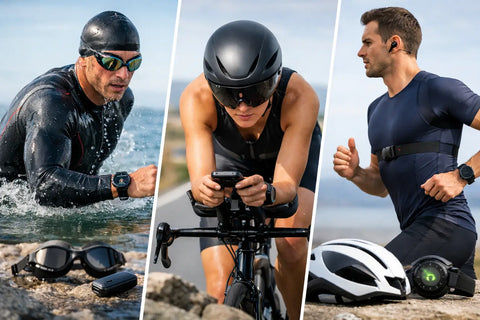

Triathlon AI coach review — will it get you to the start line?
A triathlon AI coach review should answer a practical question before anything else: will this tool help you get to the start line better prepared than a generic plan or a spreadsheet? For a first sprint or Olympic-distance race, the answer can be yes - provided you understand what AI is built to do, what it cannot see, and where your own judgement still matters.
An AI coach can turn your available time, current fitness, race date, and goals into a structured swim, bike, and run schedule in minutes. That is valuable when you are staring at three sports, a busy calendar, and too much conflicting advice. But the best result does not come from following every session blindly. It comes from using the plan as a decision-making tool, then adjusting it around your body, your route to race day, and real life.
What a triathlon AI coach does well
The strongest AI coaching tools reduce the friction that stops beginners from being consistent. Instead of asking you to interpret training zones, build weekly volume, and place recovery days yourself, they create a clear next step: today's session, its purpose, and the effort you should aim for.
That structure matters. A new triathlete often trains the discipline they enjoy most and delays the one that feels uncomfortable. Runners may run too often and avoid the pool. Cyclists may add long rides but skip short transition runs. An AI coach can maintain balance across the three disciplines, especially when it is programmed to respect recovery and progressive loading.
Personalisation is another meaningful benefit. A plan that recognises you have four training days rather than seven is more useful than an ambitious template that falls apart in week two. The same applies if you are training for a 5K alongside your first triathlon, returning after a break, or building from recreational cycling rather than starting from zero.
Many platforms also respond to completed sessions, perceived effort, pace, heart rate, power, or missed workouts. In theory, this creates a living plan rather than a static PDF. If a hard bike session felt much harder than expected, the system may reduce the next workload. If you are progressing steadily, it may nudge volume or intensity upward.
For athletes who like data, this is motivating. You can see the connection between consistency and readiness instead of guessing whether your training is enough.
Where AI coaching can fall short
AI is only as useful as the information it receives. If your swim pace is estimated poorly, your heart-rate zones are wrong, or you mark a session complete when it was cut short, the recommendations become less reliable. The tool may look precise while working from weak inputs.
It also cannot fully assess technique. This is most obvious in swimming. An AI coach may prescribe intervals that fit your fitness, but it cannot watch your body position, catch, breathing pattern, or lane awareness unless the platform includes meaningful video analysis and you use it correctly. For many beginners, a few sessions with a qualified swim coach can save more time and frustration than adding another interval workout.
The same limitation applies to pain, fatigue, and confidence. A watch can identify changes in pace and heart rate. It cannot always tell the difference between normal training fatigue, poor sleep, work stress, early illness, or the start of an injury. You need to make that call conservatively. Sharp pain, altered movement, persistent soreness, dizziness, or unusual fatigue are not problems to solve by forcing the next scheduled workout.
There is also a race-specific gap. A plan may build general fitness well but miss the practical details that make first races smoother: open-water anxiety, sighting, mounting and dismounting safely, nutrition on the bike, transitions, and pacing the first kilometre of the run. Those skills deserve dedicated practice. Fitness helps, but race confidence is built through rehearsal.
Triathlon AI coach review: who gets the most value?
An AI coach is often a good fit if you are self-motivated, comfortable using a phone or training watch, and want direction without the cost of one-to-one coaching. It is particularly useful for aspiring triathletes who need a realistic plan around work, family, travel, and limited training windows.
It is also a sensible option when you have a clear event goal. Give the platform a race date, distance, current training level, and honest weekly availability. A 12-week sprint plan for someone who can already jog, cycle, and swim a little should look very different from a plan for an athlete targeting their first 70.3.
The value is lower if you want accountability from a real person, need regular technique feedback, or are managing a history of injury. In those cases, AI can still support your training, but it should sit beside a coach, physio, or experienced clinician rather than replace them.
Cost is part of the decision too. A lower-priced AI subscription may deliver excellent structure for a beginner, while personal coaching offers deeper context and communication at a higher monthly investment. Neither route is automatically better. Choose the level of support that matches your experience, budget, and how independently you can train.
How to test an AI plan before trusting it
Do not judge a platform by a polished dashboard alone. Review the first two weeks of the plan. The workload should feel challenging but believable, with rest built in and no sudden jump from occasional exercise to a packed endurance schedule.
Check whether the sessions have a clear purpose. Easy sessions should be easy. Quality work should have enough recovery around it. Long rides and runs should progress gradually. For a beginner, a plan that asks you to go hard too often is not advanced - it is poorly matched.
Look closely at how the tool handles missed training. Life will interrupt your schedule. A useful AI coach should help you prioritise rather than shame you into cramming every lost workout into the following days. Usually, the priority is to protect key sessions, maintain recovery, and return to consistency.
You should also confirm that it supports your equipment and training environment. If you do not have a power meter, the plan needs workable effort-based or heart-rate options. If you only have pool access twice a week, it should not rely on four swim sessions. If open-water swimming is part of your race, make room for it well before race week when conditions allow.
Finally, review whether the plan includes bricks. A short run after the bike is one of the most effective ways to prepare for the unfamiliar feeling of running on tired legs. It does not need to be long. Even 10 to 20 minutes after an easy or moderate ride can teach you pacing, footwear choices, and transition habits.
Use AI as your training co-pilot, not your boss
The smartest approach is simple: let AI handle structure, then add human awareness. Rate your sessions honestly. Keep notes on sleep, stress, soreness, and confidence in each discipline. Compare the prescribed workload with how you are actually recovering.
Build a small weekly check-in. Ask whether you completed the key sessions, whether one discipline is being neglected, and whether next week is realistic. If the answer is no, adjust early. A slightly lighter week completed consistently is more valuable than an ideal plan abandoned after a hard push.
For your first event, aim for readiness rather than perfection. Practice your transitions, test your nutrition, learn the course basics, and arrive with enough energy to enjoy the experience. TriLaunchpad's approach is built around that kind of clarity: fewer guesses, more useful decisions, and steady progress across swim, bike, and run.
The right AI coach will not promise to remove every hard day from triathlon. What it can do is make the next right session easier to see. Use that direction well, listen when your body asks for a change, and you will build the confidence that carries far beyond your first finish line.