From Mountain Town to Triathlon Mecca: Inside Ruidoso's Bold Quest for Athletic Excellence
How a beloved New Mexico mountain community is rewriting its identity—one finish line at a time.
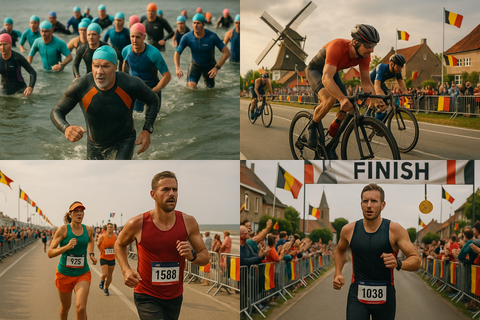
Ruidoso has long been known for its cool pines and the thunder of hooves at Ruidoso Downs. But on July 12, 2026, a different kind of athlete will take center stage. Hundreds of competitors will dive into the water, clip into their pedals, and lace up their running shoes for the inaugural 70.3-distance triathlon in Ruidoso—a half-swim, half-bike, half-run event that signals something far bigger than a single race weekend. It signals a community in deliberate transformation.
According to a Ruidoso News staff report, registration for the event is already closed, and organizers are clearly preparing for something significant. That sold-out status isn't just a logistical footnote—it's a market signal, a vote of confidence from the endurance sports community that Ruidoso is ready for the big stage.
Whether you're a triathlete eyeing future race calendars, a local business owner wondering what race weekend means for your bottom line, or a curious resident trying to understand what all the buzz is about, this is your insider look at why this event matters—and what it could mean for Ruidoso's future.
Understanding the 70.3-Distance Race Format
What Is a 70.3-Distance Triathlon?
The name says it all: 70.3 miles of total racing distance, broken into three demanding disciplines:
- 1.2-mile open-water swim
- 56-mile bike course
- 13.1-mile run (a half marathon)
This format sits squarely between a sprint triathlon and a full-distance triathlon. The 70.3-distance race is often called the "sweet spot" of triathlon—demanding enough to command serious respect, accessible enough that dedicated age-group athletes can achieve it with consistent training over 12 to 18 months.
Age-group athletes—non-professional competitors who race in categories based on their age—make up the overwhelming majority of 70.3-distance participants. These are everyday people: teachers, engineers, parents, entrepreneurs. They train before dawn, sacrifice weekends, and travel hundreds (sometimes thousands) of miles to race in events that challenge their limits. They also bring their families, spend money on hotels and restaurants, and share their experiences on social media with engaged, active audiences.
For Ruidoso, hosting this caliber of event means welcoming not just athletes but an entire ecosystem of spending, storytelling, and community connection.
The Significance of an Inaugural Race
There's something magnetic about being first. Inaugural races carry a novelty factor that generates buzz well beyond the local community—they attract athletes who want to be part of history, media outlets looking for fresh angles, and sponsors eager to associate with an emerging destination before prices rise and exclusivity fades.
First-mover advantage in a regional market is real. Once Ruidoso establishes itself as a credible 70.3-distance host, it becomes exponentially easier to attract follow-on events: relay divisions, youth races, training camps, and potentially a full-distance race down the road. The inaugural race isn't the destination—it's the foundation.
Why Ruidoso's Geography Is a Competitive Advantage
Elevation: The Secret Weapon
Sitting at approximately 6,900 feet above sea level, Ruidoso offers something most triathlon venues in the Southwest cannot: genuine altitude. And for endurance athletes, that's not a deterrent—it's a draw.
Training and racing at altitude forces the body to adapt to thinner air by producing more red blood cells, improving oxygen utilization, and ultimately building a more efficient aerobic engine. Athletes who race at elevation and then return to sea-level events often perform significantly better. Ruidoso's elevation makes it a natural altitude training destination—a fact that savvy coaches and athletes already know.
Harder courses build stronger stories, and triathletes love a story worth telling at the finish line.
Mountain Beauty as Motivational Fuel
Ask any endurance athlete what keeps them moving during the hardest miles, and many will tell you: the scenery. Racing through pine-covered mountains in southern New Mexico, with sweeping views and cool summer air, offers a psychological lift that flat desert or urban courses simply cannot replicate.
Ruidoso's mild summer temperatures—significantly cooler than Albuquerque, Phoenix, or El Paso on a July race day—are a genuine quality-of-life advantage for athletes and spectators alike. A 70.3-distance race in 75-degree mountain air is a very different experience from grinding through 100-degree desert heat.
This combination of altitude, scenery, and climate creates a compelling athlete experience that drives word-of-mouth registration and repeat participation.
The Economic Ripple Effect: What Race Weekend Means for Ruidoso
More Than Medals and Finish Lines
A 70.3-distance triathlon doesn't just bring athletes—it brings an economy in motion. Consider the spending profile of a typical participant:
- Entry fees paid months in advance signal committed participation
- Hotel rooms booked for two to four nights (athletes arrive early to acclimate; families extend for leisure)
- Restaurants and cafés see multi-day influxes of health-conscious, high-spending visitors
- Local retail and outdoor shops benefit from last-minute gear needs and souvenirs
- Service businesses—bike mechanics, massage therapists, sports nutrition vendors—find a ready market
Multiply that individual profile across hundreds of athletes, add in their families, coaches, and spectators, and you begin to understand why communities compete aggressively to host these events.
The closed registration status for the inaugural Ruidoso race suggests strong demand that likely translates directly into a meaningful economic weekend for local businesses. Hotels along Sudderth Drive, restaurants near the race venue, and shops throughout the village will feel the impact.
Infrastructure Investment That Outlasts Race Weekend
Major sporting events also have a way of accelerating infrastructure improvements that benefit the entire community long after the finish-line banners come down. Road improvements identified during race planning, enhanced signage, upgraded public facilities—these are lasting dividends from the investment of hosting a world-class event.
For a community like Ruidoso that has navigated significant challenges in recent years, sports tourism represents a resilient, diversified revenue stream that doesn't depend on a single industry or season.
Shifting the Brand Narrative
There's a subtler economic benefit worth naming: identity transformation. Ruidoso's reputation as a horse racing town is genuine and beloved—the recent $1 million Ruidoso Futurity win by Highly Lethal V is proof that equestrian culture is alive and thriving. But a community's brand can hold multiple stories simultaneously.
Adding "premier triathlon destination" to Ruidoso's identity attracts a new demographic: athletes aged 25 to 45, typically college-educated, with above-average disposable income and a tendency to return to races they love. These are exactly the repeat visitors that sustain a local economy through off-peak seasons.
What Triathletes Should Know About Racing in Ruidoso
Preparing for Altitude
If you're planning to race—or eyeing future editions of this event—altitude preparation deserves serious attention. Here's what the science tells us:
- Arrive early: Most sports medicine experts recommend arriving at altitude at least 48 to 72 hours before competition to allow initial acclimatization, or conversely, racing within 24 hours of arrival before altitude effects fully set in.
- Hydrate aggressively: Altitude accelerates dehydration. Pre-race hydration strategy matters more at 6,900 feet than at sea level.
- Adjust pacing expectations: Athletes unaccustomed to altitude typically see performance reductions of 3–8% in the first several days. Build that into your race plan.
- Trust the training: Athletes who have incorporated any high-altitude training in their preparation will adapt more quickly than those arriving cold.
For athletes based in Mexico City, Bogotá, or other high-altitude cities in Latin America, Ruidoso's elevation may actually feel familiar—a genuine competitive advantage for Spanish-speaking athletes considering U.S. race destinations.
The Spectator Experience
Triathlon is one of the most spectator-friendly endurance sports because the multi-discipline format means you see athletes multiple times throughout the day. Families can cheer at the swim exit, then reposition for the bike start, catch athletes on the run course, and be there for the finish-line emotion.
For non-competing family members, Ruidoso's surrounding attractions—hiking trails, the Mescalero Apache Reservation, Lincoln National Forest, local art galleries, and the village's distinctive restaurants—offer a full weekend itinerary that has nothing to do with triathlon and everything to do with enjoying one of New Mexico's most distinctive mountain towns.
The Bigger Picture: Ruidoso's Multi-Sport Future
One Race as a Launching Pad
A single event, done well, creates credibility that money cannot buy. If the inaugural 70.3-distance race in Ruidoso delivers a well-organized, athlete-friendly experience—smooth logistics, enthusiastic community volunteers, safe courses, and a memorable finish-line atmosphere—word will spread through the tight-knit triathlon community faster than any marketing campaign.
One successful inaugural race can fill registration for Year 2 before the Year 1 athletes even collect their finisher medals.
The pathway from inaugural event to established annual race to expanded race weekend (with youth events, relay categories, and training camps) is well-documented in communities that have committed to sports tourism as a strategic pillar. Ruidoso is positioning itself to follow that same trajectory.
Ruidoso in the Regional Context
The Southwest triathlon market is competitive. Arizona hosts multiple major events each year, Colorado's mountain venues draw altitude-seeking athletes, and California's coastal races offer ocean swims and flat-fast bike courses. Where does Ruidoso fit?
Differentiation, not imitation. Ruidoso's combination of altitude, mountain scenery, small-event intimacy, and Southwest cultural character offers something the crowded Arizona and California circuits cannot. Smaller races mean more personal interaction with event staff, easier athlete tracking for families, and less of the overwhelming scale that can make mega-events feel impersonal.
For athletes who have raced the largest events and seek something more community-connected, Ruidoso's scale is a feature, not a limitation.
A Community That Cheers Together, Grows Together
Perhaps the most undervalued benefit of hosting a major sporting event is the effect it has on community identity—how residents see themselves and their town.
Volunteerism is the lifeblood of triathlon events. Aid station volunteers, course marshals, transition area staff, and finish-line crew make the difference between a mediocre experience and a transcendent one. When Ruidoso residents line the run course to cheer strangers from across the country (and potentially from Mexico, Brazil, and beyond) through their toughest miles, something happens to the community's sense of itself.
Pride is contagious. Shared achievement builds bonds.
For young people in Ruidoso watching athletes cross that finish line on July 12, some of them are seeing their own future. The next generation of New Mexico triathletes may trace their inspiration to a summer morning on a mountain course in Lincoln County.
Key Takeaways
- The 70.3-distance race format is the fastest-growing segment of triathlon—accessible enough for committed amateurs, prestigious enough to matter on the world stage.
- Ruidoso's elevation (~6,900 feet), mild summer climate, and mountain scenery create genuine competitive advantages that distinguish it from most Southwest race venues.
- Sold-out inaugural registration is a strong market validation signal, confirming athlete demand and setting the stage for a growing annual event.
- Economic impact extends far beyond race day—multi-night hotel stays, restaurant spending, and retail activity ripple through the entire local economy.
- Community identity shifts when a town successfully hosts world-class athletes. The "premier triathlon destination" narrative gives Ruidoso a powerful new story to tell alongside its beloved equestrian heritage.
- The inaugural race is a foundation, not a ceiling. Success in Year 1 opens the door to expanded formats, additional events, and a growing sports tourism ecosystem.
What You Can Do Right Now
If you're a triathlete or endurance athlete: Mark your calendar for future editions of the Ruidoso 70.3-distance race—if this inaugural event delivers, registration for Year 2 will move fast. Begin incorporating altitude preparation into your training plan if mountain racing is on your radar. If you're based in Mexico or Latin America, the elevation at Ruidoso may actually work in your favor. Consider investing in quality triathlon suits and running shoes designed for multi-sport performance.
If you're a local business owner: Race weekend is a preview of what's possible. Athletes and their families are multi-night, high-spending visitors. Consider what packages, extended hours, or race-weekend promotions might capture that spending—and start planning now for the next edition.
If you're a Ruidoso resident: Volunteer. Seriously. The community energy that volunteers bring to a triathlon event is irreplaceable, and the experience of cheering a stranger through their hardest mile is one you won't forget. Show up to the finish line on July 12 and watch what happens to people when they achieve something they weren't sure they could.
If you're a community leader: This is the moment to build the infrastructure—physical, organizational, and relational—that turns a one-time event into a multi-year institution. The playbook exists. Other communities have written it. Ruidoso now has the opportunity to follow it on its own terms.
Stay connected with Ruidoso News for race-day coverage, athlete profiles, and in-depth reporting on the community impact of the inaugural 70.3-distance triathlon. Subscribe for full access to all race coverage and behind-the-scenes stories from July 12.
What other sporting events should Ruidoso pursue to build on this momentum? Share your ideas—Ruidoso's sports tourism story is just getting started.
Source: Ruidoso News — Triathlon Event Coverage
Frequently Asked Questions
What is the date of the long-distance triathlon Ruidoso event?
The inaugural 70.3-distance triathlon in Ruidoso is scheduled for July 12, 2026.
Is registration still open for participants of the Ruidoso 70.3-distance triathlon?
No, registration for contestants is closed.
What kind of event is the Ruidoso 70.3-distance triathlon?
The Ruidoso 70.3-distance triathlon is a multi-sport endurance event that combines swimming, biking, and running.
Why is Ruidoso hosting a long-distance triathlon event?
Ruidoso aims to become a premier destination for elite triathlon competitions, leveraging its high elevation, mountain scenery, and mild summer climate to attract endurance athletes from across the country and internationally.
Where can I find more information about the event?
For more details, you can visit the Ruidoso News website or the official race organizer's site.