Gegen alle Widerstände: Wie kirgisische Para-Athleten die Asiatischen Triathlon-Meisterschaften dominierten
Eine kleine Nation in Zentralasien hat Geschichte auf dem Para-Triathlon-Podium geschrieben — und was in Subic Bay passiert ist, sollte für jeden Parasportler, jeden Trainer und jeden Sportfunktionär weltweit eine Inspiration sein.
Gold und Silber: Kirgisistans Medaillenleistung in Subic Bay
Anfang September 2026 verließen Kirgisistans Para-Triathleten ihr Binnenland und reisten zu den beeindruckenden Küstengewässern der Subic Bay auf den Philippinen, um bei den Asiatischen Para-Triathlon-Meisterschaften anzutreten. Mit im Gepäck nach Hause: eine beeindruckende Goldmedaille und zwei Silbermedaillen. Diese Leistung ist bemerkenswert — besonders für ein Land, das seinen Rahmen für adaptiven Sport noch aufbaut.
Warum ist das so bedeutsam? Weil Para-Triathlon keine Schwächen verzeiht. Jeder Athlet muss Schwimmen, Radfahren und Laufen meistern — angepasst an seine jeweilige Klassifikation. Drei Medaillen bei einem so hochkarätigen Wettkampf zu gewinnen, ist ein klares Zeichen für ein starkes und gut aufgestelltes Programm.
Hinweis: Konkrete Athletennamen, Wettkampfkategorien und Zielzeiten lagen zum Zeitpunkt der Veröffentlichung noch nicht vor. Wir aktualisieren diesen Artikel, sobald die offiziellen Ergebnisse vom Asiatischen Para-Triathlon-Verband bestätigt wurden.
Was ist Para-Triathlon? Den Sport verstehen
Bevor wir tiefer in Kirgisistans bemerkenswerten Erfolg eintauchen, ist es wichtig, die Besonderheiten des Para-Triathlons zu verstehen — denn er ist alles andere als eine vereinfachte Version des Sports. Die Klassifikationen machen den Wettkampf einzigartig und komplex zugleich.
Die Grundlagen des adaptiven Triathlons
Para-Triathlon behält die grundlegende Struktur eines klassischen Triathlons bei: Schwimmen, Radfahren, Laufen. Die Athleten absolvieren jede Disziplin nacheinander und wechseln dazwischen in den dafür vorgesehenen Wechselzonen. Der Unterschied liegt darin, wie sie jede Etappe bewältigen — angepasst an ihre jeweilige Klassifikation.
World Triathlon regelt diese Disziplin und setzt ein Klassifikationssystem ein, das fairen Wettkampf unter Athleten mit ähnlichen funktionellen Fähigkeiten gewährleistet. Die wichtigsten Klassifikationen sind:
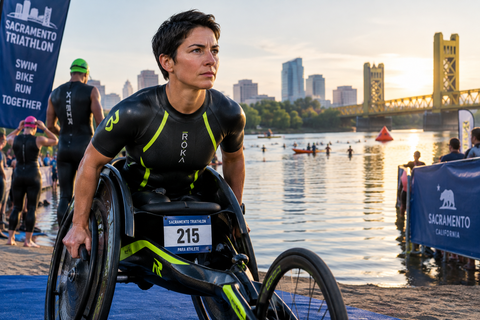
- PTWC – Rollstuhlfahrer, die Handbikes und Rennrollstühle nutzen
- PTS2–PTS5 – Athleten mit Gliedmaßenbeeinträchtigungen, die mit Standardrädern oder Dreirädern fahren
- PTVI – Sehbehinderte Athleten, die in allen Disziplinen mit einem sehenden Guide antreten
- PTID – Athleten mit geistiger Behinderung
Jede Kategorie hat spezifische Regeln für die Ausrüstung — von erlaubten Prothesen beim Laufen bis hin zu zugelassenen Fahrradtypen auf der Radstrecke. Das Training über drei Disziplinen hinweg zu koordinieren und dabei spezielle Ausrüstung zu beherrschen, ist eine logistische und körperliche Herausforderung — und macht Para-Triathlon zu einem der anspruchsvollsten Sports im paralympischen Kalender.
Warum er die Fantasie beflügelt
Para-Triathlon berührt jeden, der schon einmal an sich selbst gezweifelt hat. Zuzusehen, wie ein Athlet mit einer Gliedmaßendifferenz aus dem Wasser steigt, auf ein Handbike wechselt und dann bis ins Ziel kämpft, ist nicht nur inspirierend — es definiert neu, wozu unser Körper fähig ist. Para-Triathlon beweist, dass sportliche Exzellenz nicht von einem „normalen" Körper abhängt, sondern davon, das Potenzial des eigenen Körpers voll auszuschöpfen.
Para-Triathlon beweist, dass sportliche Exzellenz nicht von einem „normalen" Körper abhängt, sondern davon, das Potenzial des eigenen Körpers voll auszuschöpfen.
Exzellenz aus Zentralasien: Kirgisistans Para-Sport-Landschaft
Kirgisistan, ein Binnenland mit rund 7 Millionen Einwohnern, liegt eingebettet zwischen Kasachstan, China, Tadschikistan und Usbekistan. Normalerweise verbindet man dieses Gebirgsland nicht mit dominanten Triathlon-Leistungen. Wie also hat es einen Goldmedaillengewinner und zwei Silbermedaillengewinner in einem Sport hervorgebracht, der Schwimmen beinhaltet?
Institutionelle Unterstützung macht den Unterschied
Ein ermutigender Hinweis: Das Bürgermeisteramt von Bischkek veröffentlichte eine offizielle Mitteilung, um die Leistungen der Athleten zu würdigen. Wenn lokale Behörden den Erfolg im Para-Sport feiern, sendet das ein klares Signal: Adaptiver Sport hat gesellschaftliche Bedeutung — er ist kein Randthema.
Diese institutionelle Rückendeckung öffnet Türen zu Trainingseinrichtungen, Reisekostenförderung für Wettkämpfe und schafft einen Weg für junge Athleten mit Behinderungen, Sport als echte Option zu sehen.
Die geografische Herausforderung — und warum sie das Ergebnis nicht bestimmt
Freiwassertraining ist in einem Binnenland eine echte Herausforderung. Athleten und Trainer müssen kreativ sein: Sie nutzen Schwimmbäder für das Schwimmtraining, Bergpfade für Rad und Lauf und suchen bei Gelegenheit internationale Trainingslager auf.
Dieses Szenario steht exemplarisch für einen breiteren Trend in der zentralasiatischen Sportentwicklung: Geografische Hindernisse fördern oft außergewöhnliche Resilienz und Problemlösungskompetenz bei Athleten. Wenn die Umgebung keine einfachen Vorteile bietet, lernt man, sie selbst zu schaffen.
Was dieser Sieg für inklusiven Sport in Asien bedeutet
Kirgisistans Erfolg bei den Asiatischen Para-Triathlon-Meisterschaften 2026 geht über nationalen Stolz hinaus — er ist Teil eines größeren Wandels im adaptiven Sport.
Zentralasien taucht auf der Karte des adaptiven Sports auf
Jahrelang haben Nationen mit größeren Budgets und etablierten adaptiven Programmen die asiatische Para-Triathlon-Szene dominiert. Kirgisistans Podiumsplatzierung zeigt, dass die Wettbewerbslandschaft sich ausweitet — fähige Athleten aus kleineren Nationen können durchaus mit wohlhabenderen Nachbarn mithalten.
Diese Erkenntnis ist wichtig für Athleten in der gesamten Region und darüber hinaus. In Ländern wie Kasachstan, Usbekistan, Tadschikistan — und in lateinamerikanischen Ländern, die ihre adaptiven Sportszenen aufbauen — zeigen solche Ergebnisse: Para-Triathlon-Erfolg ist möglich, ohne umfangreiche Infrastruktur zu benötigen. Es braucht Engagement, Unterstützung und strategische Planung.
Sichtbarkeit verändert alles
Ein wesentlicher Vorteil der Medienberichterstattung über Para-Sport ist ihre Wirkung auf die Nachwuchsgewinnung. Wenn ein junger Mensch mit einer Gliedmaßendifferenz in Bischkek sieht, wie ein Landsmann das Podium erklimmt, verändert das seine Perspektive. Wettkampfsport wird plötzlich zur Realität — nicht mehr nur etwas für Athleten, die dem typischen Bild entsprechen.
Das ist der kraftvolle Welleneffekt einer Medaille: Sie ehrt nicht nur die, die sie errungen haben — sie öffnet Möglichkeiten für jeden Parasportler, der sie miterlebt.
Blick nach vorn: Was kommt als Nächstes für den kirgisischen Para-Triathlon?
Den Schwung aufrechtzuerhalten ist entscheidend. Eine starke Leistung bei einer solchen Meisterschaft fördert:
- Mehr staatliche Unterstützung und Fördermöglichkeiten
- Ein höheres Medienprofil, das Sponsoren und öffentliches Interesse anzieht
- Wachsendes Vertrauen bei Trainern und Athleten, dass Fortschritte erzielt werden
- Einen Rekrutierungsmechanismus — mehr Athleten mit Behinderungen werden ermutigt zu sehen, was in ihrer Reichweite liegt
Der Weg nach vorn für Kirgisistans Para-Triathleten führt über die Qualifikation für die Paralympischen Spiele. World Triathlon regelt dies über ein punktebasiertes Rankingsystem bei sanktionierten Wettkämpfen. Jede Leistung bei kontinentalen Meisterschaften bringt wertvolle Punkte. Eine Goldmedaille wie die bei den Asiatischen Meisterschaften kann ein echter Wendepunkt sein.
Ob das Ziel die Paralympischen Spiele oder die kontinentale Dominanz ist — eines bleibt: weiterhin auf höchstem Niveau antreten, adaptive Trainingsmethoden verfeinern und das nationale Programm stärken.
Die wichtigsten Erkenntnisse
- Kirgisistan holte eine Gold- und zwei Silbermedaillen bei den Asiatischen Para-Triathlon-Meisterschaften 2026 in Subic Bay, Philippinen — ein wegweisendes Ergebnis für den zentralasiatischen Para-Sport.
- Para-Triathlon zählt zu den anspruchsvollsten adaptiven Sportarten und verlangt von den Athleten Spitzenleistungen in Schwimmen, Radfahren und Laufen über mehrere Klassifikationskategorien hinweg.
- Institutionelle Unterstützung zählt: Dass das Bürgermeisteramt von Bischkek diese Leistung öffentlich würdigt, spiegelt eine gesunde Beziehung zwischen Staat und adaptivem Sport wider.
- Geografische Herausforderungen bestimmen keinen Erfolg: Kirgisistan hat trotz seiner Topografie durch Einsatz und Einfallsreichtum talentierte Para-Triathleten hervorgebracht.
- Sichtbarkeit weckt Interesse: Jeder Podiumsmoment im Para-Sport inspiriert die nächste Generation von Athleten.
Für Athleten, Trainer und Sportfunktionäre
Wenn du im Triathlon aktiv bist — ob als Athlet, Trainer, Renndirektor oder Funktionär — behalte das Wachstum des Para-Triathlons im Blick. Dieser Sport expandiert in Asien, Lateinamerika, Europa und darüber hinaus. Wettkämpfe, die Para-Kategorien neben den Standardwettbewerben anbieten, werden zunehmend inklusiver, inspirierender und repräsentativer für das, was Sport wirklich ausmacht.
Für Athleten mit Behinderungen, die Triathlon noch nicht in Betracht gezogen haben: Das Klassifikationssystem ist darauf ausgelegt, gleiche Bedingungen zu schaffen und Fairness zu gewährleisten. Dieser Sport ist für dich gemacht. Ob du in Bischkek, Mexico City, Bogotá oder Barcelona bist — über deinen lokalen Triathlonverband findest du wahrscheinlich einen Einstieg in den Para-Triathlon.
Wenn du nach adaptiver oder unterstützender Triathlonausrüstung für deine Reise suchst — oder ein Geschenk für einen Triathleten, der dich motiviert — schau dir unsere kuratierte Auswahl an Triathlon-Trainingsgeschenken und Wettkampf-Essentials an, die für ernsthafte Athleten entwickelt wurden. Wer auf der Suche nach Schwimmausrüstung ist, dem empfehlen wir außerdem hochwertige Radschuhe, um deine Wechselzonen zu optimieren.
Verfolge die Asiatischen Para-Triathlon-Meisterschaften und teile die inspirierenden Geschichten dieser Athleten. Drei Medaillen aus Bischkek sind der Beweis, dass Hingabe und harte Arbeit einen Platz auf dem Podium verdienen.
Häufig gestellte Fragen
Wann fanden die Asiatischen Para-Triathlon-Meisterschaften statt?
Die Asiatischen Para-Triathlon-Meisterschaften fanden am 5. und 6. September 2026 statt.
Wo fanden die Asiatischen Para-Triathlon-Meisterschaften statt?
Die Meisterschaften fanden in Subic Bay, Philippinen, statt.
Welche Medaillen gewannen kirgisische Athleten bei den Meisterschaften?
Kirgisische Athleten gewannen eine Goldmedaille und zwei Silbermedaillen bei den Asiatischen Para-Triathlon-Meisterschaften.
Welche Organisation hat die Ergebnisse der Meisterschaften gemeldet?
Die Ergebnisse wurden vom Pressedienst des Bürgermeisteramts von Bischkek gemeldet.
Source: akipress.com/news:917473