Four Decades of Endurance: How the Loggerhead Triathlon Became South Florida's Most Iconic Fitness Tradition
Every great tradition starts somewhere. For South Florida's endurance community, it began at the water's edge in Jupiter, Florida — and it hasn't stopped since.
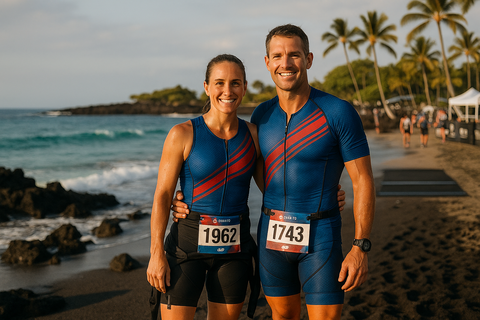
For four decades, one South Florida event has brought together swimmers, cyclists, and runners to test their limits while supporting healthcare excellence. The Tampa General Hospital Loggerhead Triathlon recently celebrated its 40th anniversary at Carlin Park in Jupiter, Florida, marking a milestone that few community fitness events ever reach. While race-day medals get hung on walls and personal records get broken, what truly makes this event extraordinary is something harder to quantify: a community that keeps showing up, year after year, decade after decade.
Whether you're a seasoned age-grouper who's toed the Loggerhead start line a dozen times, or a curious newcomer wondering if triathlon is even for you, this race's 40-year story has something to teach all of us about fitness, community, and what happens when healthcare and wellness truly intersect.
Let's dive in.
A Four-Decade Journey: From Humble Beginnings to South Florida Icon
Why "Loggerhead"?
The name is no accident. Jupiter, Florida sits in one of the most important loggerhead sea turtle nesting corridors on the Atlantic coast. These ancient, resilient creatures swim thousands of miles, return to the same beaches year after year, and embody a kind of quiet endurance that resonates deeply with the triathlon spirit. Naming the race after the loggerhead was a nod to the natural world that surrounds Carlin Park — the same waters where triathletes begin their swim each year.
It's a fitting metaphor: both the turtle and the triathlete understand that showing up, consistently, over the long haul, is what defines a champion.
Carlin Park: The Anchor of a Tradition
Not every race finds its permanent home right away, but Carlin Park in Jupiter has been the backdrop for this event's entire story. Situated along the Atlantic coast in northern Palm Beach County, the park offers a rare combination of accessible water, manageable roads for cycling, and scenic running paths — all within a single, community-friendly venue. That venue stability isn't just logistically convenient; it's culturally significant. When participants return each year to the same start line, the same transition area, and the same finish line, they're not just racing a course — they're walking into a living memory.
Evolution Through the Decades
Community events don't survive 40 years by staying exactly the same. The Loggerhead Triathlon has grown and adapted alongside South Florida itself:
- The early years established the event's core identity: a local, accessible, community-first race that welcomed everyone from competitive athletes to fitness newcomers.
- Through the 1990s and 2000s, the race professionalized — adding age group divisions, stronger volunteer networks, and eventually the meaningful partnership with Tampa General Hospital that now defines its identity.
- The modern era brought digital registration, social media communities, and a broader reach that draws participants from across Florida and beyond — while still feeling unmistakably local.
The secret to four decades of success? Consistency, community ownership, and a healthcare mission that gives the event purpose beyond the podium.
The Triathlon Experience: What Makes Loggerhead Special
The Course and the Setting
Carlin Park's natural environment creates a race experience that's as visually stunning as it is athletically demanding. Participants move through three disciplines in South Florida's signature landscape:
- The swim takes place in the open water adjacent to the park, where participants navigate conditions that can range from glassy calm to choppy — a true test of open-water readiness.
- The bike course winds through Jupiter's roads, offering a mix of terrain that challenges cyclists without punishing beginners.
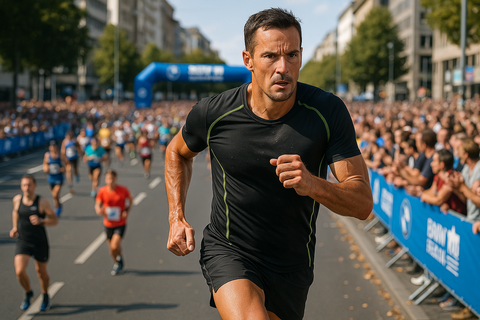
- The run brings athletes back through and around the park, with the energy of spectators and the promise of the finish line pulling them through.
Pro tip for newcomers: Open water swimming feels very different from pool training. If you're preparing for Loggerhead, get at least a few open-water practice sessions in before race day. The buoys, the crowd, and the saltwater are all part of the experience — the more familiar they feel, the better you'll race.
Who Races Loggerhead? Everyone.
This is one of the most important truths about the Loggerhead Triathlon's 40-year success: it was never just for elite athletes. The race embraces a wide spectrum of participants:
- Youth competitors discovering endurance sport for the first time
- Age group athletes chasing personal bests and category podiums
- Masters and senior divisions proving that triathlon has no age limit
- First-timers crossing a finish line they once thought impossible
- Team relay participants sharing the experience with friends or coworkers
This inclusivity isn't a marketing strategy — it's a philosophy baked into the event's DNA from the beginning. When an event welcomes a 70-year-old finishing their first triathlon with the same enthusiasm as an elite competitor, it creates something more powerful than a race: it creates a community.
Race Day Culture: More Than a Competition
Ask anyone who's done Loggerhead more than once, and they'll tell you: the energy on race morning at Carlin Park is unlike anything else in South Florida fitness. The pre-dawn transition setup, the hum of nervous energy, the volunteers cheering at aid stations, the families lined up along the run course — these are the moments that keep people coming back.
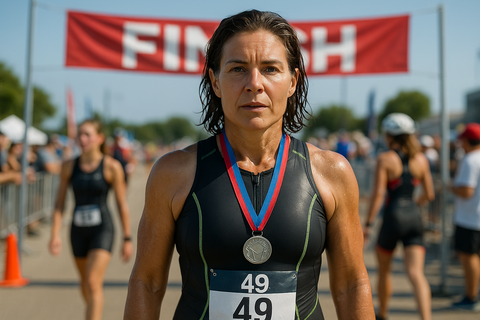
Post-race, the celebration continues with awards, community gathering, and the collective exhale of athletes who just gave everything they had. It's the kind of atmosphere that turns first-timers into loyalists and loyalists into lifetime participants.
Tampa General Hospital's Role: When Healthcare Meets Fitness
More Than a Title Sponsor
The partnership between Tampa General Hospital and the Loggerhead Triathlon isn't simply a corporate sponsorship with a logo on a race bib. It represents something more intentional: a healthcare institution putting its name behind the idea that community fitness is preventive medicine.
Triathlon training — the months of swim sessions, bike rides, and running miles that precede race day — delivers measurable cardiovascular benefits, supports mental health, builds social connections, and fights the sedentary lifestyle trends that drive so many chronic health conditions. When Tampa General Hospital sponsors this event, they're investing in exactly the kind of community health outcomes they care about most.
Medical Support and Safety
A race with 40 years of community trust takes participant safety seriously. Race day at Loggerhead includes on-site medical professionals and emergency response protocols — the kind of comprehensive safety infrastructure that experienced event organizers build over decades. For participants with health concerns or first-timers nervous about their readiness, that presence is genuinely reassuring.
A Model for Healthcare Community Engagement
Tampa General Hospital's involvement in the Loggerhead Triathlon offers a compelling blueprint for other healthcare institutions: authentic community engagement through wellness events creates trust, visibility, and real public health impact that clinical settings alone cannot achieve. This isn't about branding — it's about showing up for the community you serve in meaningful ways.
Training for the Loggerhead: A Preparation Guide for First-Timers
If you're reading this and thinking "I want to do this someday," here's your starting point. Triathlon is more accessible than most people think — and the Loggerhead Triathlon, with its welcoming culture and sprint-distance option, is one of the best first races in South Florida.
Build Your Foundation: The 12-Week Approach
For complete beginners, give yourself at least 12 weeks of structured training before race day. This timeline allows your body to adapt progressively across three disciplines without the overuse injuries that come from doing too much too fast.
Weeks 1–4: Establish the Basics
- Swim 2x/week (focus on technique and comfort in the water)
- Bike 2x/week (easy endurance rides, 30–45 minutes)
- Run 2x/week (run/walk intervals building to continuous running)
Weeks 5–8: Build Volume
- Add one open-water swim session per week
- Extend bike rides to 60–90 minutes
- Run at a conversational pace — this isn't the time for speed work
Weeks 9–12: Race-Specific Preparation
- Practice brick workouts (bike immediately followed by run — this trains your legs for the infamous "jelly legs" feeling of the bike-to-run transition)
- Simulate race-day nutrition and hydration
- Taper in the final week to arrive rested
Swimming: Overcoming the Mental Game
For most first-time triathletes, the swim is the most anxiety-inducing discipline — not because it's the longest, but because open water is genuinely unpredictable. Here's what actually helps:
- Pool technique first: Work with a coach or watch videos on bilateral breathing and efficient freestyle form. Bad technique just makes you tired faster.
- Open water practice: Find a local lake, bay, or ocean swimming group. Palm Beach County and the Jupiter/Tequesta area have several options.
- Wetsuit decision: Florida's water temperatures often make wetsuits optional or even prohibited in warmer months. Know the race rules and train accordingly.
- Mental preparation: Practice sighting (lifting your head to spot buoys) and get comfortable with other swimmers around you. The first 100 meters of any triathlon swim can feel chaotic — it passes.
Cycling: Building Endurance on the Bike
The bike leg is typically where participants spend the most time in a sprint triathlon, making it worth investing real training energy:
- Bike fit matters: An improperly fitted bike creates discomfort and inefficiency. Visit a local bike shop for a basic fit assessment.
- Train in your race position: If you'll be using aero bars or clip-in pedals, practice with them consistently — race day is not the time for new equipment.
- Practice in South Florida conditions: Heat and wind are constants here. Train in them, don't fear them.
- Local resources: The Jupiter/Palm Beach area has excellent cycling routes and clubs that welcome beginners.
Running: The Final Push
After swim and bike, your legs will feel different than any standalone run you've done. That's normal, and it's trainable:
- Brick workouts (mentioned above) are your best friend
- Slow down on long runs: Most beginners run their training miles too fast and arrive at races exhausted. Easy pace builds the aerobic base you need.
- Injury prevention: Add strength training (especially hip and glute work) to support your running mechanics and reduce injury risk.
Race-Day Nutrition: Simple Beats Complicated
For sprint-distance racing, nutrition doesn't need to be complicated:
- Pre-race: A familiar, easily digestible meal 2–3 hours before the start. Rice, toast, banana, oatmeal — whatever your stomach likes.
- During the race: At sprint distance (typically under 90 minutes), water and an electrolyte drink at aid stations is usually sufficient. Don't try new gels or chews on race day.
- Post-race: Real food, plenty of hydration, and something that makes you smile.
Essential Gear for Your First Triathlon
You don't need to spend a fortune to cross your first finish line. Here's the genuine must-have list:
| Item | Beginner Reality |
|---|---|
| Swimsuit / tri suit | A comfortable swimsuit works for your first race |
| Goggles | Worth buying quality here — leaky goggles ruin swims |
| Bike | Any road-worthy bike works for sprint distance |
| Helmet | Non-negotiable, required by race rules |
| Running shoes | Use what you train in |
| Race number belt | Saves transition time, costs under $10 |
| Body Glide / anti-chafe | Trust us on this one |
Frequently Asked Questions
What types of news can I find on WPTV?
WPTV covers a variety of news categories including local news, national events, world news, crime reports, real estate news, politics, education, and health matters.
How can I access weather updates on WPTV?
You can access weather updates on WPTV through their weather section, which includes daily forecasts, interactive radar, hourly forecasts, and hurricane survival guides.
Are there sports updates available on WPTV?
Yes, WPTV provides updates on various sports, including local teams like the Panthers and Dolphins, as well as college sports and events like the Winter Olympics.
How can I watch WPTV live?
You can watch WPTV live through their website by accessing the live stream section or via their dedicated mobile app.
Where can I find the schedule for WPTV programming?
The programming schedule for WPTV can be found in the entertainment section of their website, which also includes details about other TV listings.
Source: WPTV — Tampa General Hospital Loggerhead Triathlon marks 40th anniversary at Carlin Park in Jupiter