From Whiskeytown Lake to the Sundial Bridge: Inside Redding's Historic Inaugural 70.3-Distance Triathlon
How Redding, California wrote its name on the triathlon map — and what every aspiring multisport athlete can learn from the day.
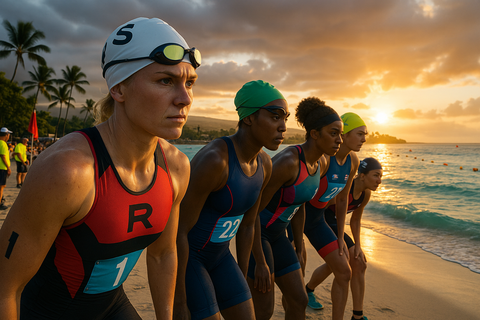
Before the sun crested the Sierra Nevada foothills on August 16, 2026, athletes were already pulling on wetsuits at Oak Bottom Beach. The air over Whiskeytown Lake was still cool, bike computers were blinking to life, and somewhere in that pre-dawn quiet, a piece of Northern California history was about to be made.
The inaugural 70.3-distance triathlon in Redding brought together world-class professionals and determined age-groupers from across the country for 70.3 miles of open-water swimming, mountain-road cycling, and riverside running. For a city better known for its jaw-dropping scenery than its endurance-sports pedigree, it was a coming-out party worthy of the Sundial Bridge itself.
Whether you're a seasoned triathlete hunting race-day inspiration, a curious beginner wondering what 70.3 miles actually feels like, or simply a Redding local who cheered from the bridge and wants the full story — this breakdown is for you.
What Is a 70.3-Distance Triathlon, Exactly?
Let's start with the basics, because the format matters. A 70.3-distance race — nicknamed the "half" by those in the sport — combines three consecutive disciplines with no rest between them:
- Open-water swim: 1.2 miles
- Cycling: 56 miles
- Running: 13.1 miles (half marathon)
- Total: 70.3 miles
Elite professionals cover that ground in roughly 3.5 to 4.5 hours. Age-group and amateur athletes typically finish between 5 and 8+ hours, depending on fitness level and course conditions. Either way, the format demands far more than raw speed — it requires pacing discipline, nutrition strategy, and a mental game tough enough to carry you through a half marathon on legs that just finished a 56-mile bike ride.
The half-distance format is the sweet spot of the sport. It's long enough to be genuinely transformative — completing one changes how you see yourself as an athlete — yet accessible enough that a committed amateur with 6–9 months of structured training can cross the finish line. That accessibility is exactly what makes events like Redding's so powerful. For more context on what constitutes a competitive 70.3 time, explore benchmarks for professional and age-group performance.
The Course: A Scenic and Demanding Journey Through Northern California
Redding didn't just host a triathlon. It designed a course that uses the region's natural and architectural landmarks as the backdrop for every pivotal moment in the race.
The Swim: Whiskeytown Lake (1.2 Miles)
Competitors warmed up and staged at the Oak Bottom Beach boat launch inside Whiskeytown National Recreation Area — a setting that immediately signaled this race was going to look different from the typical urban triathlon. The 1.2-mile open-water swim unfolded on Whiskeytown Lake, a reservoir known for its clear water and mountain backdrop.
Open-water swimming is psychologically and technically distinct from pool training. There are no lane lines, the water temperature varies with the season, and sighting — lifting your head to navigate toward a buoy — burns precious energy with every stroke. Athletes who arrive at transition one (T1) calm and in control have already won a small but important battle. Preparing for this challenge requires specific drills and technique work beyond traditional pool swimming.
The Bike: 56 Miles Through Shasta County
After toweling off and clipping into their bikes, competitors faced the longest segment of the day: a 56-mile cycling route winding through Shasta County. The terrain challenged riders with elevation changes and the kind of heat that Northern California summers deliver without apology.
Photos from race day captured athletes like Canadian professional Jackson Laundry, Jeremy MacLean, and Tommy Doubleday of Girona Racing Academy navigating the second transition — each carrying the controlled urgency of athletes who know the run still waits for them. Jamie Hayes of Team Zoot and Blake Selm, also of Girona Racing Academy, showed the same focused composure at T2.
The bike leg is where races are often decided — not by going all-out, but by going smart. Professionals ride to a power target that leaves their legs functional for a half marathon. Age-groupers who go too hard here pay dearly once the run begins. Understanding proper cycling equipment and transitions can shave critical seconds off your overall time.
The Run: Sacramento River Trail to the Sundial Bridge (13.1 Miles)
The final 13.1 miles followed the Sacramento River Trail, one of Redding's most beloved community spaces, before reaching the iconic Sundial Bridge — one of only two solar-sundial bridges in the world and the defining landmark of Redding's skyline.
Athletes didn't just cross the bridge; they ran across it with hundreds of fans lining its rail, cheering at full volume. Photography by Brett Abrams of the Record Searchlight captured that crowd — arms raised, voices carrying — in one of the day's most electric images. The finish line itself sat near the Redding Civic Auditorium, giving finishers a genuine stadium-worthy arrival.
Pro tip for aspiring triathletes: The run is where races are won or lost mentally. Your legs will be tired. That's not a malfunction — it's the design. Train your long runs off the bike (called "brick" sessions) and you'll learn to trust your body when it matters most.
The Pro Men's Podium: A Race Decided by Two Minutes
Jason West Claims the Inaugural Title
Jason West crossed the finish line at 3:39:23, winning the inaugural men's professional division by approximately two minutes over second-place finisher Jackson Laundry. In triathlon, a two-minute margin at the professional level represents decisive, consistent execution across all three disciplines — not a lucky gap.
Interestingly, Laundry was the first male professional to complete the bike-to-run transition, meaning he was the first into T2. West ultimately ran him down on the Sacramento River Trail — a testament to West's run-leg strength and pacing discipline on the bike.
Sam Long rounded out the men's pro podium in third with a time of 3:34:50 (per race documentation from the Record Searchlight; final official placements should be verified at the race's official results page).
The men's podium — West, Laundry, Long — gathered for photos that showed not just podium-worthy performances but genuine camaraderie. Handshakes, smiles, and a shared understanding that finishing in the top three of an inaugural professional race is something none of them will forget.
What the Men's Race Teaches Us
- Being first out of T2 doesn't guarantee the win. Laundry led into the run; West won it. Patience on the bike pays dividends at mile 10 of the half marathon.
- Margins matter at every level. Two minutes across 70.3 miles comes down to dozens of small decisions: a slightly more aero position on the bike, a transition 30 seconds faster, a mile-eight pace that doesn't blow up.
- Consistency beats heroics. No single segment wins a triathlon. It's the athlete who suffers most evenly across all three who typically stands on top.
The Pro Women's Podium: History, Heart, and a Breakthrough Moment
Grace Alexander: First Female Pro Champion
Grace Alexander made history as the first women's professional champion of the 70.3 Northern California race, celebrating at the finish with the kind of joy that only a hard-fought win produces. Like Laundry on the men's side, Alexander was also the first female professional to transition from the bike to the run — and unlike her male counterpart, she defended that lead all the way to the finish line.
Rebecca Clarke finished second and was photographed embracing Alexander at the finish — a moment of warmth that captured the collaborative spirit that makes triathlon different from many other competitive sports. Even at the professional level, the finish line often feels like a reunion.
Clare Dasso: A College Student's First Podium
Perhaps the most compelling story from the women's professional race came from Clare Dasso, a student at Queens University of Charlotte who claimed third place — her first career professional podium, just one year into her pro racing career.
Dasso transitioned with precision and competed against established professionals in a race that mattered. Standing on that podium at 20-something years old, in what may be one of her earliest major results, represents exactly the kind of story that makes inaugural events special. This podium will be in her athlete biography for years.
Triathlon is a sport where emerging talent can break through on any given day, on any given course. Inaugural races level the playing field — no one has a course record to chase, and no one has an "I've won here before" psychological edge.
The Age-Group Experience: Why the Amateur Field Is the Heart of the Race
Professional athletes are inspiring to watch. But the heart of any 70.3-distance event beats in the age-group field — the athletes who trained before work, juggled family commitments, and still showed up to do something extraordinary.
Brian Torum: A Redding Local Returns After 15 Years
Brian Torum crossed the finish line and immediately found his family waiting for him. The Redding local was competing in his first triathlon in 15 years — a gap that most people would use as an excuse not to try.
The photo of Torum's finish-line celebration says everything: arms raised, family rushing in, the particular relief of proving to yourself that you still have it. His story will resonate with anyone who has let a sport fall away during the busy years of careers and parenthood, and who wonders whether the door is still open.
It is. Torum walked back through it — and crossed the finish line on his hometown course.
A Field That Traveled to Be There
The inaugural race drew athletes from across the country and beyond:
- Leah Parker — Austin, Texas
- Trevor Colby — San Francisco
- Annamarie Strehlow — Mequon, Wisconsin (physical therapist and competitive triathlete)
- Brittany Thomas — Redding local
- Jackson Laundry — Canada (professional)
- Carrie Epton, Katrina Parmele, Erica Knauff — finishers who crossed the line with arms raised and faces full of earned pride
That geographic diversity — from Wisconsin to Texas to Canada — tells you something important: Redding created a race worth traveling for. Athletes don't book flights and hotel rooms for a mediocre course. They come for something memorable.
The Volunteers Who Made It Possible
One of the most quietly powerful images from race day showed a competitor embracing a volunteer at the finish line — arms locked, heads bowed, the emotional weight of 70.3 miles releasing all at once into that moment of human connection. Volunteers staff water stations, direct athletes through transitions, manage timing mats, and cheer for strangers with genuine enthusiasm. Without them, there is no race.
The Four Disciplines: Understanding What It Actually Takes
Triathlon veterans joke that the sport actually has four disciplines, not three. The fourth is the transition — the brief, chaotic window between swim and bike (T1) and bike and run (T2) where seconds are won or lost based on preparation and calm.
Swim → Transition 1 (T1)
Coming out of the water, athletes strip their wetsuits, swap to cycling gear, clip their helmets, and roll their bikes to the mount line. For professionals, this takes under two minutes. For age-groupers, three to five minutes is common. The key: practice your transitions before race day. They feel simple until you're oxygen-deprived and your fingers won't cooperate.
Bike → Transition 2 (T2)
This is where the race gets honest. Forty-five to ninety minutes into the bike leg, your body has burned through substantial glycogen. The legs feel good — until they don't. T2 means racking your bike, swapping cycling shoes for running shoes, and convincing your body to run a half marathon.
Photo documentation from Redding shows athletes like Benjamin Capozzi (finish time: 3:59:05) moving through T2 with practiced efficiency. Capozzi's sub-four-hour finish puts him in a category most recreational athletes aspire to reach.
Run to the Finish
The 13.1-mile run is the final exam. Everything you did on the swim and bike is now coded into your legs, and the test is whether you trained specifically enough to handle it. Running on fatigued legs is a skill that must be practiced — not assumed. When athletes crossed the Sundial Bridge with fans cheering from every angle, that final kilometer wasn't just a physical finish — it was the payoff for every early morning, every long weekend ride, every uncomfortable training session they almost skipped.
What This Means for Aspiring Triathletes
If watching the Redding race results has sparked something in you, here's what the sport's learning curve actually looks like.
Start Shorter, Build Up
A sprint triathlon (roughly 0.5-mile swim / 12-mile bike / 3.1-mile run) is the logical entry point. Most athletes can reach sprint-distance readiness in 8–12 weeks of structured training. From there, an Olympic-distance race (double the sprint) bridges the gap to a 70.3-distance event. Learn more about what beginners need to know about 70.3 racing.
Time Commitment Is Real — But Manageable
- Age-group athletes targeting a 70.3-distance finish typically train 8–12 hours per week during peak preparation
- Professional athletes train 15–20+ hours per week
- A 6-month buildup with a well-structured plan is realistic for most athletes with a solid fitness base
The Three Pillars of 70.3 Success
- Swim confidence — particularly open-water comfort; join a masters swim group or open-water swim club. Equip yourself with quality swimming goggles designed for open water.
- Bike fitness — the longest segment requires sustained aerobic power; consider a structured cycling plan or a cycling-specific coach
- Run durability — brick sessions (bike immediately followed by a run) are non-negotiable preparation. Invest in reliable running shoes built for race-day performance.
Gear That Moves With You
Triathlon requires gear across three disciplines, which can feel overwhelming at first. The good news: you don't need to buy everything at once. Start with what you have, add quality pieces as your commitment deepens. A well-fitted triathlon suit can streamline transitions and improve comfort across all three disciplines. For those already deep in the sport — or shopping for someone who is — gear recommendations for 2025 can enhance your experience.
Frequently Asked Questions
What is the 70.3 Northern California triathlon?
The 70.3 Northern California is a long-distance triathlon event that includes a 1.2-mile swim, a 56-mile bike ride, and a 13.1-mile run, taking place in Redding, California.
When did the inaugural 70.3 Northern California triathlon take place?
The inaugural 70.3 Northern California triathlon took place on August 16, 2026.
Where did the triathlon events occur?
The triathlon events began at Oak Bottom Beach at Whiskeytown National Recreation Area, included swimming in Whiskeytown Lake, were followed by cycling through Shasta County, and ended with running along the Sacramento River Trail.
Who was the first athlete to finish the inaugural race?
Canadian professional triathlete Jackson Laundry was the first athlete to complete the bike-to-run transition, though Jason West ultimately won the men's professional division with a time of 3:39:23.
What were the finishing times for the top male finishers?
Jason West won the race with a time of 3:39:23, followed by Jackson Laundry in second place and Sam Long in third with a time of 3:34:50.
Who were the top female finishers in the race?
Grace Alexander was the first female to finish, followed by Rebecca Clarke in second place and Clare Dasso placing third.
What was unique about this triathlon?
The 70.3 Northern California was the inaugural event, representing a new long-distance triathlon opportunity in Redding, California — a city making its debut on the endurance-sports map.
How did the community support the event?
Many fans lined up across significant landmarks, such as the Sundial Bridge, to support the athletes during their races.
Source: Redding Record Searchlight — Triathletes complete inaugural 70.3 Northern California in Redding