Die besten Anti-Beschlag-Schwimmbrillen für Triathlon
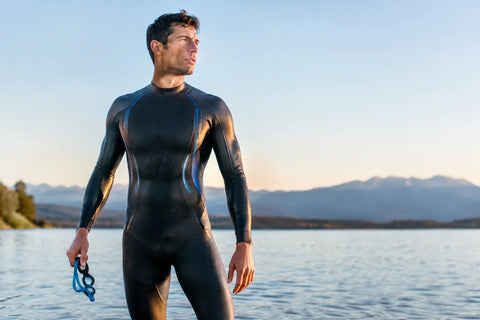
Eine beschlagene Scheibe an der ersten Boje kann aus einem ruhigen Schwimmen ein stressiges Ratespiel machen. Die besten Anti-Beschlag-Schwimmbrillen für Triathlon sorgen nicht nur für klare Sicht: Sie dichten zuverlässig ab, bleiben auch bei langen Einheiten angenehm zu tragen und passen zu den Lichtverhältnissen, in denen du tatsächlich startest.
Für Triathlon-Einsteiger gilt die Schwimmbrille oft als kleine Ausrüstungsentscheidung. Das ist sie nicht. Eine schlechte Passform hinterlässt Druckstellen, undichte Stellen beim Sighting oder zwingt dich zum Anhalten, während das Feld um dich herum weiterschwimmt. Das richtige Modell hilft dir, deine Linie zu halten, die nächste Boje zu sehen und mit mehr Selbstvertrauen auf das Rad zu steigen.
Was macht eine Schwimmbrille wirklich beschlagfrei?
Die meisten hochwertigen Schwimmbrillen haben eine Anti-Beschlag-Beschichtung auf der Innenseite der Scheibe. Diese Beschichtung reduziert die winzigen Wassertröpfchen, die Kondensation entstehen lassen, wenn dein warmes Gesicht auf kühleres Wasser trifft. Sie funktioniert gut, ist aber nicht dauerhaft. Wenn du die Innenseite der Scheibe mit einem Finger, einem Handtuch oder einem Shirt abreibst, kann sie sich schnell ablösen.
Die Passform ist genauso wichtig wie die Beschichtung. Eine gut abgedichtete Schwimmbrille begrenzt den Austausch von warmer, feuchter Luft im Inneren der Scheibe. Wenn deine Brille ständig undicht ist, wirst du sie häufiger öffnen und nachstellen – das erhöht die Gefahr von Beschlag und Ablenkung.
Es gibt auch einen Kompromiss. Stark belüftete Masken und breite, übergroße Scheiben können sich offener anfühlen und ein ausgezeichnetes Sichtfeld bieten, aber ihr größeres Luftvolumen kann bei manchen Athleten schneller beschlagen. Eng anliegende Rennbrillen sind oft stabiler bei hohem Tempo, erfordern aber eine präzisere Passform und sind weniger verzeihend. Die beste Wahl hängt davon ab, ob du Wettkampfgeschwindigkeit, Komfort über lange Einheiten oder Freiwasser-Sichtbarkeit am meisten schätzt.
Die besten Anti-Beschlag-Schwimmbrillen nach Triathlon-Bedarf
Statt nach einem universellen Sieger zu suchen, solltest du die Schwimmbrille auf dein Training und deine Wettkämpfe abstimmen. Die folgenden Modelle sind weithin anerkannte Optionen – aber das Modell, das auf deinem Gesicht sitzt, ohne undicht zu sein, ist immer die bessere Wahl.
Beste Wahl fürs Beckentraining: Speedo Vanquisher 2.0
Die Speedo Vanquisher 2.0 ist nach wie vor eine verlässliche Wahl fürs Beckentraining, weil sie ein flaches Profil mit einem ausreichend breiten Sichtfeld für das Bahnschwimmen verbindet. Sie wird in der Regel mit mehreren wechselbaren Nasenstegen geliefert – praktisch, wenn Standardbrillen dazu neigen, in die Augenhöhlen zu drücken oder an den inneren Ecken undicht zu werden.
Für Triathleten ist das eine praktische Option für intensives Training. Der Sitz ist sicher für Intervalle und Wenden, und verspiegelte oder klare Scheiben lassen sich an die Bedingungen im Schwimmbad anpassen. Der Nachteil: Das kleinere Sichtfeld ist für Athleten, die ein weitläufiges Freiwasser-Panorama bevorzugen, weniger geeignet.
Beste Wahl für Wettkampfgeschwindigkeit: Arena Cobra Ultra Swipe
Die Arena Cobra Ultra Swipe ist für Athleten gemacht, die eine kompakte, hydrodynamische Schwimmbrille mit ernsthaften Anti-Beschlag-Eigenschaften suchen. Die Swipe-Behandlung ist darauf ausgelegt, den Anti-Beschlag-Effekt zu reaktivieren, indem du die Innenseite der nassen Scheibe sanft mit sauberen Fingern abwischst – gemäß der Pflegeanleitung des Herstellers.
Diese Funktion macht sie besonders attraktiv für wettkampforientierte Schwimmer und Triathleten, die häufig trainieren. Die Dichtung fühlt sich fester an als bei einer Freizeitbrille – teste sie also, bevor du dich bei einem Langdistanz-Event auf sie verlässt. Wenn sie perfekt abdichtet, kann sie eine ausgezeichnete Wahl für schnelle Rennen sein. Wenn sie nach 30 Minuten unangenehmen Druck erzeugt, heb sie für kürzere Einheiten auf und wähle für längere Schwimmstrecken eine komfortablere Brille.
Beste Wahl für Freiwasser-Sichtbarkeit: Aqua Sphere Kayenne
Die Aqua Sphere Kayenne ist eine starke Option für Athleten, die sich in herkömmlichen Rennbrillen eingeengt fühlen. Ihre größere, gewölbte Scheibe gibt dir einen weiten Blick auf andere Schwimmer, Ufermarkierungen und Bojen – das macht das Sighting weniger abrupt und kontrollierbarer.
Dieses Design ist besonders hilfreich für Triathlon-Einsteiger, die ihr Freiwasser-Selbstvertrauen aufbauen. Der breitere Rahmen kann sich bei gleichmäßigem Tempo stabil und angenehm anfühlen, und der Schnellverschluss lässt sich leichter bedienen als viele wettkampforientierte Riemen. Es ist nicht das stromlinienförmigste Profil im Feld, aber klare Sicht und Komfort sind oft mehr wert als ein marginaler aerodynamischer Vorteil.
Beste Wahl bei hellen Bedingungen: TYR Special Ops 3.0 Polarized
Ein sonniger Schwimmstart kann genauso herausfordernd sein wie eine beschlagene Scheibe, wenn Blendlicht vom Wasser reflektiert wird. Die TYR Special Ops 3.0 Polarized ist für helle Outdoor-Einheiten konzipiert, mit polarisierten Scheiben, die reflektierendes Blendlicht reduzieren und die Konturen an der Wasseroberfläche schärfer erscheinen lassen.
Das ist eine clevere Wahl für Küstenrennen in Mexiko, Seen mit intensiver Sonneneinstrahlung oder frühe Trainingseinheiten, bei denen du der aufgehenden Sonne entgegenschwimmst. Polarisierte Scheiben sind nicht immer ideal für ein dunkles Hallenbad, daher eignen sie sich am besten als dediziertes Outdoor-Modell und nicht als einzige Schwimmbrille. Eine klare Brille fürs Becken und eine getönte für das Freiwasser – das ist ein einfaches, effektives Zwei-Brillen-System.
Beste Wahl für Premium-Komfort: ROKA R1
Die ROKA R1 ist unter Triathleten eine beliebte Premium-Option, weil sie auf eine sichere Abdichtung ohne übermäßig hartes Gefühl um die Augen setzt. Die Scheibenform bietet ein breites Sichtfeld, und das Gesamtdesign ist eher auf das Freiwasserschwimmen als auf reines Beckenrennen ausgerichtet.
Sie kostet mehr als viele Trainingsbrillen und macht daher am meisten Sinn für Athleten, die bisher keine komfortable Abdichtung gefunden haben, oder für alle, die ein dediziertes Rennmodell für längere Events suchen. Auch für Premium-Brillen gilt dieselbe Regel wie für jedes andere Modell: Passform zuerst. Ein günstigeres Modell, das eine Stunde lang dicht hält, ist wertvoller als ein teures Modell, das du alle 200 Meter nachstellen musst.
So wählst du eine Schwimmbrille, die nicht beschlägt oder undicht wird
Bevor du auf Scheibenfarbe oder Marke schaust, mach einen Trocken-Dichtungstest. Drücke jede Augenmuschel sanft gegen deinen Augenbereich, ohne den Riemen über den Kopf zu ziehen. Eine gute Passform sollte einen Moment lang durch leichten Sog halten – ohne starken Druck.
Beurteile dann den Nasensteg. Wenn die Scheiben zu nah beieinander sitzen, können sie kneifen oder an den äußeren Rändern abweichen. Wenn sie zu weit auseinander sitzen, können sie neben der Nase undicht werden. Wechselbare Nasenstege sind deshalb wertvoll – besonders wenn du noch nie eine Standardpassform gefunden hast, die wirklich funktioniert.
Wähle die Scheiben nach deiner Umgebung. Klare Scheiben eignen sich am besten für Hallenbäder und schlechte Lichtverhältnisse. Getönte oder verspiegelte Scheiben passen zu hellen Bädern und sonnigem Freiwasser. Polarisierte Scheiben helfen gegen Oberflächenblendung, während photochrome Scheiben nützlich sein können, wenn du bei wechselnden Lichtverhältnissen trainierst – sie kosten aber in der Regel mehr.
Denke schließlich an deine Wettkampfdistanz. Bei einem Sprintdistanz-Triathlon kann eine engere, flache Brille sinnvoll sein, wenn sie sicher sitzt. Bei einem 70.3 oder einer Langdistanz wird Komfort zum Leistungsmerkmal. Du musst wiederholt sighten, mit Wellengang umgehen und Druckkopfschmerzen vermeiden – bevor noch eine lange Radfahrt und ein Lauf folgen.
Die Anti-Beschlag-Beschichtung länger haltbar machen
Die Anti-Beschlag-Leistung hängt stark davon ab, wie du die Scheiben pflegst. Spüle die Brille nach dem Schwimmen mit frischem, kühlem Wasser ab und lass sie abseits von direkter Sonne an der Luft trocknen. Vermeide es, die Innenseite der Scheiben abzuwischen – auch wenn sie streifig aussehen. Das ist der schnellste Weg, die Beschichtung zu beschädigen.
Lass die Brille nicht lose in einem heißen Auto, am Boden einer nassen Sporttasche oder stundenlang auf einem Beckenrand liegen. Hitze, UV-Strahlung und wiederholte Abrasion verkürzen die Lebensdauer sowohl der Scheibenbeschichtung als auch der Silikonabdichtung.
Wenn die Brille nach vielen Einsätzen anfängt zu beschlagen, verwende ein schwimmspezifisches Anti-Beschlag-Mittel gemäß Anleitung – keine Haushaltsprodukte. Manche Athleten nutzen Speichel als Notlösung in letzter Minute, aber das ist unzuverlässig und aus hygienischer Sicht nicht ideal. Eine gut gepflegte Reservebrille ist die verlässlichere Wettkampfstrategie.
Schwimmbrille am Wettkampftag: dein Plan als Triathlet
Bring zu jedem Rennen zwei Brillen mit – auch wenn du deiner Hauptbrille vertraust. Zieh dein Hauptmodell vor dem Schwimmstart an und halte das zweite Paar in der Wechselzone oder bei deiner Ausrüstung vor dem Rennen griffbereit. Ein gerissener Riemen, eine heruntergefallene Brille oder unerwartete Wetterbedingungen sollten kein rennentscheidendes Problem werden.
Teste deine Schwimmbrille im Freiwasser unter Bedingungen, die dem Wettkampftag ähneln. Komfort im Becken lässt sich nicht immer auf welliges Wasser, Salzwasser oder helles Sonnenlicht übertragen. Übe das Sighting alle paar Züge mit genau dem Modell, das du im Rennen tragen willst, und stelle sicher, dass der Riemen beim Anheben des Kopfes sicher sitzt.
Deine Schwimmbrille muss nicht das teuerste Teil in deiner Schwimmtasche sein. Sie muss einfach aus deiner Wahrnehmung verschwinden, sobald das Startsignal ertönt. Finde das Modell, das abdichtet, klar bleibt und dir die nächste Markierung zeigt – und trainiere damit so oft, dass sich der Wettkampfmorgen vertraut anfühlt.