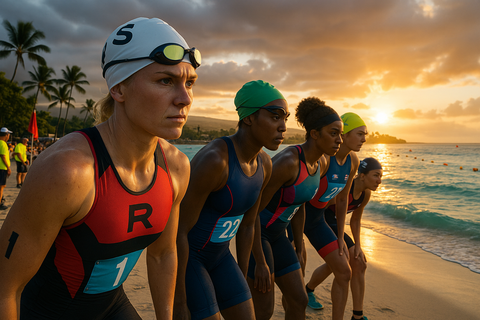
A100 Antarctic Triathlon 2027 — Extreme Polar Race
In February 2027, a select group of 50 elite triathletes will embark on a journey that redefines the boundaries of endurance sports. The A100 Antarctic Triathlon is not just another race; it's a pioneering event that challenges athletes to conquer the harshest conditions on Earth, including the icy waters of the Southern Ocean. This groundbreaking competition will forever alter the landscape of triathlon racing.
The event, scheduled from February 27 to March 8 on King George Island near Bellingshausen Station, is the brainchild of Ironman 70.3 Age Group world champion Ilya Slepov. With meticulous planning, the A100 combines the technical demands of triathlon with the raw, unforgiving beauty of Antarctica, offering a new frontier for those who dare to test their limits.
Whether you're an elite triathlete seeking the ultimate challenge or an endurance sports enthusiast captivated by human potential, the A100 represents a new chapter in the story of athletic ambition and environmental responsibility.
Overview
A Race That Redefines Triathlon
The A100 Antarctic Triathlon is a bold endeavor that takes the sport to new heights. "Dubbed A100, the event will bring together 50 elite athletes from around the globe to challenge themselves in one of the harshest environments on Earth," the organizers explain.
This historic race transcends traditional boundaries by presenting three core challenges:
- Extreme environmental conditions: Racing in sub-zero temperatures with unpredictable Antarctic weather
- Complete isolation: Competing thousands of miles from civilization with no external support
- Unprecedented logistics: Balancing equipment management, safety, and environmental protection
The A100 is not just about athletic achievement; it's a testament to human adaptability and resilience, all while maintaining strict environmental stewardship in one of the world's most protected ecosystems.
The 1km Swim: Into the Icy Southern Ocean
The race begins with what may be the most daunting swim in triathlon history. Athletes will plunge into the Southern Ocean at 0°C (32°F), where the margin for error is virtually non-existent. This isn't just about swimming fast—it's about survival.
Key challenges include:
- Hypothermia risk: Water temperature requires specialized wetsuits and strict time limits
- Ocean conditions: Waves, currents, and potential marine life encounters
- Mental preparation: Overcoming the shock of extreme cold water immersion
For those preparing for extreme cold-water swimming, investing in high-quality anti-fog UV protection goggles is essential for visibility in challenging conditions.
The 66km Mountain Bike: Navigating Antarctic Terrain
The cycling segment covers 41 miles across King George Island's challenging landscape. This isn't your typical bike course—riders must navigate:
- Unpredictable surfaces: From ice patches to loose gravel and potentially muddy conditions
- Weather variability: "Sudden weather changes—including snow, fog, and gusts up to 25 km/h (15.5 mph)—remain a significant challenge"
- Equipment demands: Bikes must be modified for extreme conditions while maintaining performance
Athletes tackling extreme terrain should consider durable bikes with disc brakes for superior control in variable conditions.
The 33km Run: The Final Antarctic Challenge
The concluding 20.5-mile run tests athletes' ability to maintain performance as their bodies fight against the cold. Runners face:
- Temperature fluctuations: Between -3°C and 5°C (27°F to 41°F) throughout the race
- Terrain challenges: Icy, uneven surfaces requiring specialized footwear and technique
- Mental endurance: Battling fatigue while surrounded by stark, unchanging landscape
Environmental Responsibility: Racing with Respect
What sets A100 apart from other extreme races is its unwavering commitment to environmental protection. The event operates under strict environmental considerations, with "the A100 course allow[ing] athletes to traverse only permitted zones, minimizing their impact on the fragile Antarctic ecosystem."
Key Environmental Protocols
- Limited access zones: Athletes can only use pre-approved routes that minimize ecosystem disruption
- Waste management: Complete pack-in, pack-out policies with zero waste left behind
- Wildlife protection: Timing and routing designed to avoid sensitive areas during breeding seasons
- Research station collaboration: Working directly with Bellingshausen Station for oversight and support
This approach proves that extreme sports and environmental stewardship can coexist, setting a new standard for adventure racing worldwide.
Athlete Requirements: Who Can Take on Antarctica?
The A100 isn't open to weekend warriors. Participation is limited to experienced long-distance triathletes, specifically those with:
Experience Requirements
- Prior Ironman or Ironman 70.3 completion
- Demonstrated ability in challenging conditions
- Cold-water swimming experience recommended
Medical Clearance
Athletes must provide medical clearance confirming they can safely endure extreme cold and high winds.
This includes:
- Cardiovascular fitness assessment
- Cold tolerance evaluation
- Mental health screening for extreme isolation
- Emergency response capabilities assessment
Specialized Preparation
The organizers don't leave athletes to figure it out alone. "A100 will offer year-round support, including personalized guidance and training programs at a specialized research center simulating Antarctic conditions."
This comprehensive preparation program includes:
- Simulated Antarctic conditions for acclimatization
- Specialized equipment testing and modification
- Mental preparation techniques for extreme isolation
- Emergency response training specific to polar conditions
For tracking your training progress in extreme conditions, consider a reliable GPS running watch that can withstand harsh environments.
The Complete Antarctic Experience: Beyond the Race
While the race itself is the main attraction, A100 offers participants a once-in-a-lifetime Antarctic experience that extends far beyond athletic competition.
Unique Accommodations
During the event, athletes will reside on sailing schooners moored near Bellingshausen Station, each guided by an expert familiar with Antarctic history and natural highlights.
Wildlife and Natural Wonders
Participants will have opportunities to explore:
- Melchior Islands icebergs: Massive ice formations that dwarf anything seen elsewhere
- Cuverville Island gentoo penguin colony: Up-close encounters with thousands of penguins
- Lemaire Channel: Often called "Kodak Gap" for its photogenic scenery
- Whale watching opportunities: Potential sightings of humpback, minke, and orca whales
Scientific Contribution
Athletes can also contribute to scientific studies monitoring human performance under extreme environmental stressors,
making their participation valuable for sports science and polar research.
Safety First: Preparing for the Unexpected
Racing in Antarctica requires unprecedented safety measures. The organizers have developed comprehensive protocols for:
Weather Monitoring
- Real-time weather tracking and forecasting
- Predetermined decision points for race modifications
- Communication systems linking athletes to race headquarters
Emergency Protocols
- Medical teams trained in cold-weather emergencies
- Evacuation procedures for severe weather or medical emergencies
- Tracking technology monitoring every athlete's location and vital signs
Equipment Standards
- Mandatory cold-weather gear specifications
- Backup equipment requirements for critical items
- Pre-race equipment inspections and certifications
Athletes preparing for extreme endurance events should ensure proper electrolyte and mineral supplementation to maintain performance in challenging conditions.
What This Means for the Future of Triathlon
The A100 Antarctic Triathlon represents more than just another race—it's a glimpse into the future of extreme endurance sports. By successfully staging this event, organizers prove that:
- Environmental responsibility and extreme sports can coexist
- Proper preparation can make seemingly impossible challenges achievable
- There are still new frontiers for athletic achievement
- Scientific research and sports performance can benefit each other
This event will likely inspire similar extreme location races while setting the gold standard for environmental stewardship in adventure sports. For those interested in unique triathlon challenges, the A100 represents the pinnacle of what's possible.
Ready to Take on the Challenge?
The A100 Antarctic Triathlon is now accepting registrations through their official website at antarctic100.com. While this race isn't for everyone, it represents the ultimate test for athletes who have conquered traditional triathlon challenges and seek something truly extraordinary.
For those inspired but not quite ready for Antarctica, the A100 serves as motivation to push personal boundaries, improve cold-weather training, and develop the mental toughness required for extreme endurance challenges. Start your journey with fundamental training drills that will build the foundation for any extreme challenge.
Whether you're planning to register or simply following along as a fan, the A100 Antarctic Triathlon will redefine what's possible when human determination meets one of Earth's most challenging environments. This isn't just a race—it's a testament to human potential and environmental respect that will inspire endurance athletes for generations to come.
Find the perfect race day essentials at TriLaunchpad — your triathlon journey starts here. Shop all collections →