
At 17, Emile Vanolst has already stood on an Olympic podium. On Thursday, the Luxembourg triathlete won silver in the triathlon at the Youth Olympic Games in Dakar, Senegal.
He finished just 10 seconds behind Portugal’s Artur Gaspar, according to RTL Today. In a close race, a few seconds can come down to a transition, a turn, or a handful of strides.
You don’t need to be a teen athlete or an elite competitor to learn from Vanolst’s result. His race offers a useful look at how small margins shape a multisport endurance race, why preparing for the conditions matters, and how to respond to a near-miss.
The Race: A Sprint-Distance Battle Decided by Seconds
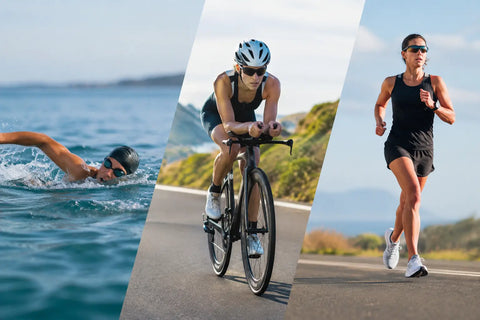
The Youth Olympic triathlon used a sprint-distance format:
- 750-metre swim
- 20-kilometre bike
- 5-kilometre run
If you’re new to triathlon, this is also a popular distance for a first race. It’s short enough for athletes to push the pace from the start, which can make the finish especially close. A 10-second gap after roughly an hour of swimming, cycling, and running is a narrow margin.
The source report doesn’t provide split times or explain where Gaspar gained those seconds. So we can’t say whether the swim, bike, or run decided the result. But in a sprint, small details can shape the race: a smooth swim exit, a quick transition, or a controlled shift from bike legs to running. These are skills athletes at any level can practice.
Preparing for Heat: The Sauna Strategy
Dakar is hot, and Vanolst prepared for the conditions. According to the report, he trained in a sauna before the event to adapt to Senegal’s heat.
That’s all the available detail. We don’t know how many sessions he completed, how long they lasted, or who designed the plan, so we won’t speculate.
What heat acclimatization does
Heat acclimatization is the process of adapting to high temperatures through repeated exposure. Sports science generally links it with more efficient sweating, increased blood plasma volume, and a steadier heart rate in the heat. It typically takes one to two weeks to build these adaptations.
That’s why athletes preparing for a hot-weather race usually begin before travelling, rather than waiting until they arrive.
Why this matters beyond Dakar
Heat preparation matters for anyone racing in warm conditions. If you’re planning an event on Mexico’s coast or in Brazil during summer, include it in your training plan alongside swimming, cycling, and running. Calor y humedad no perdonan a quien llega sin preparación (heat and humidity don’t forgive anyone who arrives unprepared).
A few practical points:
- Start early. Adaptation takes days, not hours.
- Build gradually. Heat exposure adds stress. Increase it carefully, and speak with a coach or doctor first, especially if you’re new to heat training.
- Plan the logistics. Travel, hydration, and race-day kit all matter in hot conditions. Our race-day travel gear collection is a good place to start.
The Gaspar Rivalry: Two Podiums, One Familiar Name
This wasn’t the first time Vanolst finished behind Gaspar. A few weeks earlier, at the European Youth Championships in Spain, he also finished behind the Portuguese athlete. RTL Today describes Dakar as Vanolst’s second podium behind Gaspar in recent weeks.
The report doesn’t include the full results or margins from Spain, so we can’t compare the races in detail. Still, the pattern is clear: Vanolst has faced the same athlete at the front of the field more than once, and he is closing in.
Why a rival helps
A strong rival can help you in two ways:
- Shows you the standard. You can measure your progress against a real person instead of a vague goal.
- Reveals areas to improve. Racing the same athlete gives you repeated chances to see where you can get stronger.
You don’t need an Olympic rival to use this approach. A training partner, club-mate, or your own time from last season can be a useful benchmark. Choose one and work toward it.
Silver, Not Gold: Handling the Near-Miss
Despite winning silver, Vanolst was slightly disappointed not to have taken gold, according to the report. This is reported speech, not a direct quote.
That reaction is worth noticing. A silver medal at the Youth Olympic Games is a major achievement, and Vanolst still wanted more.
Pride in what you’ve done and ambition to improve can exist at the same time.
Most of us won’t race for an Olympic medal, but we all know a version of this moment: missing a personal best by a minute or narrowly missing an age-group podium. Here are a few ways to use that experience:
- Name one thing to improve. You don’t need to overhaul your training. Start with the area that mattered most.
Frequently Asked Questions
Who won silver in the Youth Olympic Games triathlon?
Luxembourg’s 17-year-old triathlete Emile Vanolst won the silver medal in Dakar.
How far behind the winner did Emile Vanolst finish?
Vanolst finished ten seconds behind Portugal’s Artur Gaspar, who won the race.
What distances did the Youth Olympic Games triathlon include?
The course consisted of a 750-metre swim, a 20-kilometre cycle, and a 5-kilometre run.
Where were the Youth Olympic Games triathlon held?
The triathlon took place in Dakar, Senegal.
How did Vanolst prepare for the hot conditions in Senegal?
He trained in a sauna ahead of the event to help prepare for the heat.
Had Vanolst previously finished behind Artur Gaspar?
Yes. A few weeks earlier, Vanolst also finished behind Gaspar at the European Youth Championships in Spain. The Dakar silver was his second podium behind the Portuguese athlete in recent weeks.
#Triathlon #YouthOlympics
Source:
https://today.rtl.lu/sport/local/emile-vanolst-wins-silver-at-youth-olympic-games-1552712517
Discover unique triathlon-themed merchandise, including stylish t-shirts, stickers, phone cases, and home decor - perfect for endurance sports enthusiasts and athletes. Shop now