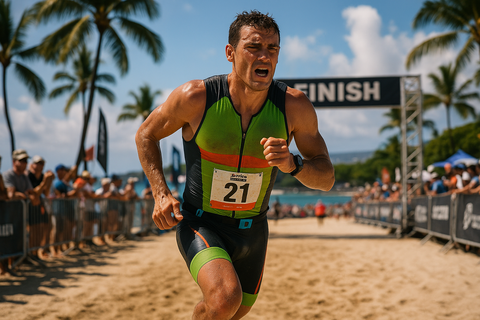

What Taylor Knibb's World Championship Victory Reveals About Mental Toughness and Comeback Resilience
Imagine spending a whole year training, carrying the memory of losing your championship in the final mile. For many athletes, such heartbreak can feel like a dead end. But for Taylor Knibb, it turned into a powerful motivator.
On October 11, 2024, in Kona, Hawaii — one of the most iconic locales in triathlon — 28-year-old Knibb made her triumphant return. Not only did she win the long-distance triathlon World Championship, but she also witnessed the defending champion, Solveig Lovseth, falter in the closing stages of the race. Instead of relishing Lovseth's misfortune, Knibb drew on her training, maintaining a steady and composed pace to cross the finish line with determination.
This isn't just a story of winning; it's about transforming a painful past into the fuel for future success.
What Is a Long-Distance Triathlon — and Why Does Kona Matter?
Before we dive into the exciting details of Knibb's race, let's clarify what a long-distance triathlon entails, especially for those new to the sport.
A full-distance (140.6-mile) triathlon includes:
- 🏊 A 2.4-mile open-water swim
- 🚴 A 112-mile bike ride
- 🏃 A 26.2-mile marathon run
All of these are completed back-to-back without any breaks. Top athletes finish this grueling challenge in about 8–9 hours, while many age-group competitors take 12–17 hours. The Kona course on Hawaii's Big Island is particularly tough, featuring strong winds, volcanic landscapes, and scorching heat — making it an ultimate test for even the most seasoned athletes since the first race in 1978.
Winning in Kona isn't just a victory; it's akin to reaching the summit of Everest in the triathlon world. That's why Knibb's achievement in 2024 is so remarkable.
A Year of Redemption — The 2023 Heartbreak That Fueled 2024
The Loss That Haunted Her
In 2023, Knibb faced a tough lesson: physical fitness alone doesn't guarantee victory. Late in the race, she was overtaken by Solveig Lovseth, who claimed the championship title. Knibb crossed the finish line heartbroken, acutely aware of how close she had come to winning.
For many athletes, a near-miss like that can lead to feelings of anxiety and hesitance. It can inspire over-aggression or over-caution in future races. However, Knibb chose to find a different way forward.
The 2024 Mission: Stay Steady, Not Perfect
Entering the 2024 race, Knibb was no stranger to success. Earlier that year, she had won the 70.3-distance World Championship, which involves a 1.2-mile swim, 56-mile bike ride, and 13.1-mile run. Winning both titles in the same year is incredibly rare. By competing in Kona, she had a chance to become only the third woman ever to achieve this double crown.
But that lingering memory of 2023 hung over her. With a familiar course and intense pressure, Knibb leaned on a new kind of blueprint — one that prioritized emotional resilience as much as physical preparation.
How the Race Unfolded — 8 Hours and 36 Minutes of Tactical Mastery
The Swim: Setting the Stage (52:55 for 2.4 miles)
Emerging from the Pacific Ocean, Knibb clocked a swift 2.4-mile swim time of 52 minutes and 55 seconds. In long-distance triathlons, a solid swim sets the stage for the rest of the race and ensures you're not wasting energy trying to catch up on the bike. For open-water swimmers, investing in quality triathlon gear can make a significant difference in comfort and performance during the swim leg.
The Bike: Where Races Are Won and Lost (4:40:07 for 112 miles)
The 112-mile biking segment often reveals who the true contenders are. The tough conditions in Kona — especially the daunting crosswinds on the Queen Ka'ahumanu Highway — can make or break races.
Lovseth struck hard on the bike, opening a 1 minute and 30 second lead over Knibb. While it might have seemed like a comfortable buffer, in such a demanding sport, every second counts.
Knibb's focused response? No panic. She ran her own race, refusing to be overwhelmed by Lovseth's lead.
The Run: Where Champions Are Made (2:57:46 for 26.2 miles)
The marathon leg transforms the event into a test of mental fortitude. Athletes push through fatigue, pain, and exhaustion; it's not just about who is the fastest at the start but who can endure the toughest moments.
“I can't fight. If I fight, I'm going to lose. There are some awful moments out there, and there are some incredible moments.” — Taylor Knibb
This wisdom underscores a critical truth in racing: instinct might tell you to chase, but restraint is often more effective. Knibb's composure paid off. During the run, maintaining proper nutrition is crucial — many elite athletes rely on energy gels with carbohydrates to sustain glycogen levels through the final kilometers.
The Dramatic Final Mile — Lovseth's Collapse and Knibb's Resolve
A Champion's Physical Breakdown
With under a mile to go, Lovseth began to visibly struggle. She wavered and then collapsed.
What causes such breakdowns? In long-distance events, athletes push their bodies to the brink, which can lead to:
- Glycogen depletion (often called “bonking”): when the body runs out of energy
- Severe dehydration from sweating in Kona's heat
- Electrolyte imbalances disrupting muscle function
- Cumulative fatigue from over 140 miles of racing
Lovseth showed incredible determination by getting back on her feet twice. However, after a third fall, she ultimately finished 8th. While that's an impressive feat in any context, in this race it was a heartbreaking near-miss.
It's vital to acknowledge Lovseth's courage. Completing the race under such conditions is an act of immense will. This isn't merely about one athlete faltering; it's about the unrelenting challenge that endurance racing presents.
Why Knibb Was Ready for This Moment
What makes Knibb's victory particularly intriguing psychologically is that she had experienced this moment from the opposite perspective just a year prior. In 2023, she was the one overtaken late in the race. Having felt that pressure herself, she understood what it means to push beyond one's limits.
This hard-earned knowledge cannot be replicated. Knibb showed remarkable emotional intelligence — an understanding that goes far beyond physical training.
Historic Achievement — What This Victory Means for American Triathlon
Breaking a Four-Year Drought
Even though the long-distance triathlon World Championship took place in the U.S., no American woman had won since 2022. Increased international competition, especially from Europe, contributed to a frustrating period for American fans and athletes. Knibb's victory definitively ended that streak.
The Rare Double Crown
By adding the full-distance world title to her earlier 70.3 win, Knibb became just the third woman ever to hold both world titles in the same year. Competing at an elite level in both formats demands very different training; excelling at both is exceedingly rare.
A Historic Moment for U.S. Triathlon
The statistics tell an inspiring story:
| Achievement | Year Last Accomplished |
|---|---|
| American woman wins full-distance World Championship | 2022 |
| U.S. athletes on both men's and women's podiums at Kona | 1999 |
| Both races held at Kona on the same day | 2019 |
Matthew Marquardt's third-place finish in the men's race (7:49:59) capped a brilliant day for U.S. triathlon. The last time America celebrated podium finishers in both races at Kona was in 1999 — 25 years ago. This day felt particularly special as both races were held on the same day, reinforcing the significance of the moment for triathlon enthusiasts across Latin America and the U.S.
What Every Triathlete — From Kona Qualifier to First-Timer — Can Learn From Knibb
The Comeback Is Possible
Knibb's journey from public loss to triumphant victory exemplifies resilience. She embraced her 2023 loss, extracted valuable lessons, and returned stronger. Sports psychologists refer to this as “failing forward” — the ability to learn and grow from setbacks instead of letting them define your potential.
For those training for their first sprint triathlon or aiming for a 70.3, Knibb's story offers an important truth: your worst race doesn't dictate your future.
Pacing Is a Mental Skill, Not Just a Physical One
The most successful long-distance triathletes are those who can resist the urge to push too hard too soon. Knibb's quote — “I can't fight. If I fight, I'm going to lose” — captures a lesson that many beginners learn the hard way: pacing is crucial. The athlete who forces the pace early rarely takes the win.
This principle holds whether you're vying for the podium in Kona or simply looking to maintain a strong run in a local race. The self-discipline to manage your energy and play the long game is something you refine through experience — often through the most challenging moments.
Experience as an Unfair Advantage
Having faced a tough race herself, Knibb understood the psychological pressures that Lovseth encountered. Such insights cannot be gleaned from textbooks; they come from lived experience. For newer triathletes, this is an encouraging takeaway: every race you complete teaches you something valuable for the next one. Athletes who accumulate experiences — both positive and negative — develop deeper competitive intelligence.
Key Takeaways: What This Race Tells Us About Champions
- Resilience matters more than raw talent. Knibb's comeback from her 2023 loss shows that mindset is often a deciding factor in high-stakes competition.
- Pacing is psychological, not just physical. Remaining calm while others surge forward requires as much mental training as physical endurance.
- Experience transforms athletes. Having been overtaken in a previous race, Knibb knew exactly how to stay composed when facing similar circumstances herself.
- The final mile reveals character. In long-distance triathlon, physical prowess is just the beginning. The ability to manage your mind and body when facing discomfort is what sets champions apart.
Frequently Asked Questions
Why is Kona considered the ultimate triathlon event?
Kona has been the grand stage for long-distance triathletes since 1978. Its harsh conditions — heat, humidity, and challenging terrain — add to the difficulty, making it a coveted race that requires impressive performances in qualifying events.
What caused Lovseth to collapse in the final mile?
Her struggles were likely due to a combination of factors, including glycogen depletion, dehydration, and electrolyte imbalances — common challenges when elite athletes exceed their limits for over 8 hours. Lovseth's determination in getting back on her feet deserves deep respect.
How rare is winning both world championship distances in the same year?
It's an extraordinary accomplishment. Knibb is only the third woman to ever achieve this, highlighting the diverse training demands and recovery challenges that come with competing at an elite level in both distances.
Is this relevant for beginner triathletes?
Absolutely. The mental skills that Knibb displayed — pacing, resilience after setbacks, and emotional composure — are crucial for everyone, from first-time racers to elite athletes. The principles may vary in scale, but the lessons apply to all.
Who won the Women's long-distance triathlon World Championship recently?
American Taylor Knibb won the Women's long-distance triathlon World Championship in Kona, Hawaii in 2024, breaking a streak of American losses in this competition.
What was Taylor Knibb's finishing time in the championship?
Taylor Knibb finished the race with a time of 8:36:29, which secured her victory in the championship.
How did Knibb's performance compare to the defending champion?
Taylor Knibb overcame defending champion Solveig Lovseth in the final mile to win, after Lovseth had taken an early lead in the race.
What milestones did Taylor Knibb achieve with this victory?
Knibb became only the third woman to win both the full-distance long-distance triathlon World Championship and the 70.3 world title within the same year.
What other notable performances occurred at the 2024 Kona World Championship?
Matthew Marquardt also made headlines by finishing third in the men's event, marking the first time since 1999 that the U.S. had athletes on both podiums at the long-distance triathlon World Championship in Kona.
Taylor Knibb's victory in Kona serves as a profound reminder that triathlon rewards not just speed but also comprehensive preparation — physically, tactically, and mentally. Whether you're cheering from the sidelines or preparing for your first race, stories like hers emphasize what's achievable when dedication meets resilience.

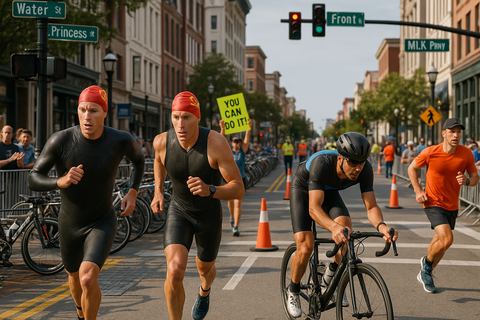

![[VIDEO] Ironman World Championship: the shocking footage of collapsing Solveig Løvseth](http://triathlon.mx/cdn/shop/articles/f4fca448b0f49c699b76009abf20ff03.png?v=1791866310&width=480)