
Jacksonville's Long-Distance Triathlon Triumph Comes with a Cost: How a World-Class Event Exposed City Planning Gaps
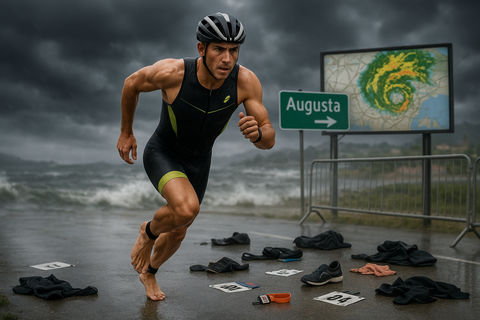
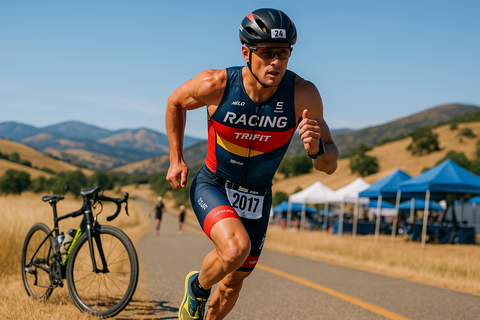
Jacksonville made history when nearly 2,000 athletes from 39 countries crossed the starting line for the city's first-ever long-distance triathlon — a 2.4-mile swim, 112-mile bike ride, and 26.2-mile run through Northeast Florida's most scenic corridors. But while athletes were crossing that finish line, a 40-year-old tattoo shop in Five Points sat nearly empty. That gap between headline triumph and lost revenue tells the real story of race weekend.
The Historic Win: Why Jacksonville Had Every Reason to Celebrate
A Prestigious Achievement on the World Stage
Securing a long-distance triathlon of this scale is no small feat for any city. These events draw elite and age-group athletes from across the globe, generating international media coverage, tourism revenue, and brand recognition that cities typically spend millions in advertising to achieve.
Jacksonville locked in a three-year commitment with the race organizer — a signal that this isn't a one-weekend pop-up. Nearly 2,000 competitors arrived from 39 countries, filling hotels, restaurants, and local businesses across Duval and St. Johns counties in the days surrounding the event. Mayor Donna Deegan called it "exactly what Jacksonville is capable of."
For the triathlon community — athletes who train through pre-dawn swims, hundred-mile bike rides, and marathon runs — Jacksonville now has a place on the global race calendar. That puts the city in the same conversation as major race destinations in Europe, Latin America, and across North America.
The Economic Promise Behind the Prestige
Long-distance triathlon weekends function as economic engines. Competitors typically arrive days early to register, rack their bikes, and scout the course — bringing families, coaches, and support crews with them. Hotels fill up, restaurants see surges, and local shops get foot traffic from athletes seeking last-minute gear.
A three-year commitment gives Jacksonville time to build the infrastructure, reputation, and hospitality ecosystem that turns a single event into an annual tradition — one that grows in economic impact year over year. The Mayor's Office leaned heavily on this long-term value: "Events like this are always going to be a little disruptive for one day. But the return on investment we get for that is tremendous."
That return on investment is real. But so is the disruption — and for some, it was far more than a little.
"We've been here for 40 years in town, we have had five customers. I like that the city is making money, but I need to survive more than the city does — or at least as much." — Bryan Dewberry, Five Points tattoo shop owner
The Traffic Disaster: What Actually Happened on Race Day
Street Closures That Caught Everyone Off Guard
Riverside served as a major transition zone — the area where athletes shift from the swim to the bike leg — which required significant street closures throughout the neighborhood. Park Street in Five Points was completely blocked off. The 112-mile bike course wound through Nocatee and Ponte Vedra Beach in St. Johns County, affecting roads across two counties simultaneously.
None of that is unusual for a race of this size. What became the core complaint was the gap between what local businesses expected and what actually happened. "Nobody really knew what to do because we thought that it was going to be a lane impact, and it was the entire street," Five Points employee Taylor Johnson told News4JAX. "They had the whole thing blocked off, so there were people basically just hanging outside not really knowing what to do."
The difference between a lane impact and a full street closure is enormous for a small business. One means reduced traffic. The other means no traffic at all.
Real Consequences for Small Business Owners
For Bryan Dewberry's tattoo shop, the math was brutal: forty years in business, five customers over the entire race weekend. Customers canceled appointments. Workers arrived hours late. Staff who did show up had to park dangerously far from the shop just to get through the closures.
This is the human cost that aggregate economic impact figures tend to obscure. A tourism study might show that the race generated millions in regional spending — and that may well be true — but that spending doesn't flow evenly. Hotel revenue goes to hotels. Restaurant surges benefit restaurants along the race route. A tattoo shop on a blocked-off street absorbs 100% of the disruption while receiving zero of the economic activity.
Small businesses don't carry the cash reserves to absorb a lost weekend the way larger operators might. For them, a single bad Saturday isn't an inconvenience — it's a real financial wound.
Gridlock Across Two Counties
The traffic fallout wasn't limited to Five Points. St. Johns County Commissioner Krista Joseph reported sitting in traffic for three hours on race day and took to Facebook to document her experience: "The BCC did not vote on this Jacksonville event. I can tell you all right now, after sitting in traffic for 3 hours and watching the close calls of car vs golf cart vs bikers, that approval for something National like this needs to come to the BCC. Not only did I just get off the phone with the County Administrator and she was unaware of this event, but also conveyed my concerns to the Sheriff."
The St. Johns County Administrator was unaware the event was happening — a race with a 112-mile bike course cutting through her county, and she learned about it on race day. That is not a communication hiccup. That is a structural failure.
The Safety Crisis: The Issue That Overshadows Traffic
Athletes at Risk on Race Day
Traffic jams are frustrating. Safety incidents belong in a different category entirely. News4JAX received an email from the mother of a competitor who was struck by a car during the race. Her daughter escaped without major injuries, but the message left no room for ambiguity: "The traffic nightmare is completely eclipsed by the outright dangerous conditions that Jacksonville exposed my daughter and every other athlete to."
Mayor Deegan acknowledged the incidents directly: "We'll make tweaks, and I'll tell you, some of the incidents I've heard about in the biking, and some of the cases where bicyclists were struck, concerns me deeply." Triathletes on a bike course are vulnerable road users sharing space with drivers who may not understand the course layout, detour routes, or the presence of competitors. When cars, golf carts, and cyclists navigate the same unclear intersections, accidents are a built-in outcome.
A Drunk Driver in the Race Corridor
Making the safety picture worse, JSO arrested a suspected drunk driver who sped through the Five Points area during the race. Darrell Simon, 62, was taken into custody for speeding through an active race zone. The presence of an impaired driver in a corridor where athletes are competing represents exactly the kind of scenario that race organizers and city planners must eliminate before the next event — not manage after the fact.
Reactive vs. Proactive Safety Planning
The pattern that emerges from race day is one of reactive safety management — responding to incidents as they occur rather than engineering conditions to prevent them. Close calls between cars, golf carts, and bikers were observed by officials on the ground. A competitor was struck by a vehicle. A drunk driver was arrested mid-race. For a first-year event, some operational friction is expected. But safety gaps are not in the same category as traffic management inefficiencies. They require immediate, specific, and publicly accountable solutions before 2,000 athletes line up again next year.
The Governance Gap: Who Knew What, and When?
A Cross-Jurisdictional Event Without Cross-Jurisdictional Planning
The organizational structure of this race was always going to be complex. The swim happened in Jacksonville. The transition zone sat in Riverside. The 112-mile bike course ran through St. Johns County. A race that crosses county lines requires coordination that crosses county lines — and that coordination appears to have been largely absent.
Commissioner Joseph's post identified the core problem: the Board of County Commissioners never voted on this event. County leadership wasn't consulted. The County Administrator learned about it on race day, through a phone call from her own commissioner. When decisions about major events affecting multiple jurisdictions are made without input from those jurisdictions, you get exactly what Jacksonville got: elected officials learning about safety incidents the same way their constituents did — by sitting in traffic and watching near-misses happen in real time.
Events that cross county lines need governance structures that cross county lines. That's not bureaucracy — that's accountability.
The Mayor's Response: Celebration with Caveats
Mayor Deegan's public positioning walked a careful line. She acknowledged frustrations and committed to improvement, while also characterizing race day as "one day of inconvenience" and noting that many Riverside residents were "thrilled" to watch the event from their front yards. Both things can be true simultaneously.
The Mayor's Office committed to "a full after-action review" with race organizers, JSO, and city staff — a meaningful step if the review produces specific, measurable commitments rather than general assurances. Business owners who lost revenue and families whose children were struck by cars during the race will need more than tweaks. They will need proof that the systems changed.
The cities that build reputations as great race hosts aren't the ones with the most scenic courses. They're the ones that treat the entire community — athletes, residents, and business owners alike — as stakeholders whose experience matters.
Lessons for Cities Hosting Major Events
Jacksonville's experience isn't unique — it's instructive. Cities across the United States and increasingly in Latin America, where long-distance triathlon racing is growing rapidly, are competing to host marquee endurance events. The Jacksonville story is a case study worth studying before signing the next contract.
Five Principles for Getting It Right
- Transparency from the start. Every jurisdiction affected by an event — regardless of where the finish line sits — needs to be part of the planning conversation. Cross-county races require cross-county governance.
- Realistic impact modeling. "Lane impact" and "full street closure" are categorically different for businesses. Impact assessments need to communicate specific conditions, not general disruptions.
- Early, clear communication. Electronic signs and neighborhood notifications that arrive too late don't give businesses time to adjust schedules, reroute deliveries, or prepare customers. Advance notice needs to be early enough to be actionable.
- Equity in planning. The economic benefits of major events don't distribute evenly. Small businesses in affected corridors absorb significant costs. Cities should explore mitigation options: permit fee waivers, temporary vending opportunities, business compensation funds, or dedicated liaisons who work with affected business districts before and during the event.
- Safety cannot be reactive. Close calls and incidents on race day are a planning failure, not a race-day surprise. Safety protocols — including coordination with JSO, clear course marking, driver communication about alternative routes, and enforcement presence — must be built into the event design, not retrofitted after complaints.
The Three-Year Opportunity
Here's what Jacksonville has that many cities don't: time. The three-year commitment means two more chances to get this right. Year one revealed the gaps. Year two can close them — if the after-action review produces concrete changes, not just talking points.
The cities that earn reputations as great race hosts do so by treating every community member — athletes, residents, and business owners — as a stakeholder whose experience matters on race day and long after.
What Comes Next: Real Accountability Requires Real Specifics
Five key takeaways from Jacksonville's first long-distance triathlon weekend:
- Prestige has a price, and that price is paid disproportionately by small businesses and residents in affected neighborhoods.
- Governance matters: cross-jurisdictional events need cross-jurisdictional planning and approval.
- Communication failures compound operational failures — late notice doesn't give communities time to adapt.
- Safety incidents are a planning failure, not a race-day variable to manage in real time.
- "Tweaks" isn't a plan — Jacksonville's business owners and athlete families deserve specific, measurable commitments before the next start gun fires.
For the triathlon community — whether you're a first-timer working toward your first race or a seasoned competitor who has raced on courses across North America — Jacksonville's story is a reminder that the race experience extends far beyond the finish line tape. The community that hosts your race matters, and communities that feel heard, respected, and fairly treated become the ones that show up on the course as your loudest, most enthusiastic supporters.
Bryan Dewberry has been in Five Points for 40 years. He is not going anywhere. The question is whether city leadership will ensure that the next time 2,000 athletes come to Jacksonville, he has a full appointment book — not five customers and a blocked-off street.
Frequently Asked Questions
What were the main concerns raised by residents regarding the long-distance triathlon Jacksonville event?
Residents and local businesses expressed concerns about traffic congestion, safety issues, and a lack of communication regarding street closures and detour routes during the race. Many reported significant delays, closed streets, and impacts on their businesses.
How did local officials respond to the traffic and safety issues during the event?
Local officials, including Mayor Donna Deegan, acknowledged the frustrations and stated that they would work to improve communication and coordination for future events. They committed to conducting an after-action review to address the concerns and implement necessary changes.
What were the economic impacts of the Jacksonville long-distance triathlon event on the city?
The event brought nearly 2,000 athletes from around the world to the city, which is expected to generate significant economic benefits through tourism, hotel stays, and increased business for local vendors during the event.
What specific improvements are planned for future long-distance triathlon events in Jacksonville?
Officials plan to enhance communication regarding event logistics, improve detour signage, and address traffic flow issues to ensure both athletes and residents have a smoother experience in future events.
Did any incidents occur during the event involving participants and vehicles?
Yes, there were reports of athletes being struck by vehicles during the race. One incident involved a competitor who was hit but fortunately did not sustain major injuries. These incidents have raised safety concerns that will be addressed moving forward.
Source: News4JAX / WJXT reporting by Caleb Yauger, Ashley French, and Scott Johnson, published May 18, 2026. Quotes attributed to Mayor Donna Deegan, St. Johns County Commissioner Krista Joseph, Bryan Dewberry, Taylor Johnson, and an anonymous parent via email to News4JAX.