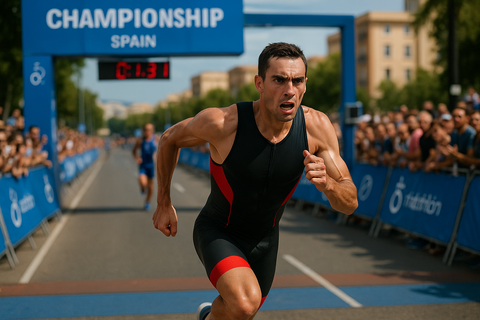

The Enhanced Games and the Future of Triathlon: A New Era or a Step Too Far?
Imagine a world where athletes are not only allowed but encouraged to use performance-enhancing drugs under medical supervision. This is the reality proposed by the Enhanced Games, a controversial sporting event that could soon include long-distance triathlon in its roster. As the Enhanced Games prepare for their debut in May 2025 in Los Angeles, with a jaw-dropping $25 million prize purse and appearance fees reaching up to $1 million, the sporting world is abuzz with debate. What does this mean for the future of triathlon, a sport known for its grueling demands and emphasis on natural ability?
The Enhanced Games: A Radical Concept
The Enhanced Games challenge the traditional boundaries of sport by embracing performance-enhancing substances as tools for athletes to push beyond their natural limits. This concept stands in stark contrast to the Olympic model, which strictly prohibits doping. The Enhanced Games argue that with proper medical supervision, athletes can safely explore the outer edges of human performance.
The inaugural event will feature sprinting, swimming, and weightlifting—sports with clear, measurable outcomes. The financial incentives are unprecedented, with a prize pool that dwarfs what most athletes could earn in a lifetime. This raises the stakes and the allure for athletes worldwide.
The Golomeev Controversy
The Enhanced Games gained significant attention when Greek swimmer Kristian Golomeev recorded the fastest 50m freestyle under this new model, earning a $1 million bonus. While some hailed this as a breakthrough, others questioned the legitimacy of such records outside traditional governance structures.
Triathlon: The Next Frontier?
CEO Max Martin's recent musings about incorporating triathlon into the Enhanced Games have sparked intense debate. Triathlon, with its combination of swimming, cycling, and running, presents unique challenges that differ from the current sports in the Enhanced Games.
The Complexity of Triathlon
Unlike sprinting or swimming, triathlon lacks standardized world records due to the variability of courses. Each triathlon course presents different challenges, from ocean swims to mountainous bike rides, making direct comparisons difficult. This variability complicates the notion of an "enhanced world record."
Moreover, triathlon's multi-discipline nature means that performance-enhancing substances could have varied effects across swimming, cycling, and running. The physiological demands of a long-distance triathlon, which can last anywhere from eight to seventeen hours, pose significant safety concerns. The potential for adverse health effects is much higher than in shorter, more explosive sports.
Ethical and Community Concerns
The triathlon community has reacted with caution to the idea of a doping-permitted event. The sport's identity is deeply rooted in the values of hard work, discipline, and natural ability. The prospect of chemically enhanced performances challenges these core principles.
Financial and Regulatory Implications
The Enhanced Games' financial incentives could draw athletes away from traditional competitions, potentially weakening established events. Additionally, the legal status of the Enhanced Games remains unclear, as their protocols conflict with World Anti-Doping Agency (WADA) rules. Athletes participating in enhanced events risk sanctions that could impact their careers in traditional sports.
The Broader Impact on Endurance Sports
If the Enhanced Games successfully incorporate triathlon, it could set a precedent for other endurance sports like marathon running and ultra-endurance cycling. This expansion would force traditional sports organizations to confront the growing visibility and financial backing of enhanced competitions.
Safety and Meaning
Ultimately, the question remains: is it safe? The history of doping in endurance sports is fraught with health risks, and the Enhanced Games' protocols have yet to be tested in the context of long-duration, multi-sport events. Without standardized courses, the meaning of enhanced triathlon performances remains elusive.
For athletes serious about legitimate performance enhancement through training, proper nutrition and supplementation remain crucial. Quality magnesium supplements and electrolyte solutions can support recovery and performance within ethical boundaries.
Conclusion: A New Era or a Step Too Far?
The Enhanced Games' proposal to include triathlon is still in its early stages, but its implications are profound. It challenges the very essence of what it means to compete in endurance sports. As the debate unfolds, the endurance sports community must grapple with questions of safety, integrity, and the future of competition.
For those committed to competing within established rules and regulations, investing in proper training equipment remains essential. Quality gear like performance tri suits and reliable GPS training watches can help athletes maximize their natural potential.
What are your thoughts on the prospect of a doping-permitted long-distance triathlon? Share your perspective and stay engaged with your local triathlon community as this story develops.
Find the perfect race day essentials at TriLaunchpad — your triathlon journey starts here. Shop all collections →