
When the Storm Becomes Part of the Race: Inside the Weekend's Premier Triathlon Event
Picture this: driving rain hammering the pavement, bone-chilling winds whipping off the Gulf, and thousands of determined athletes who refuse — not for a single moment — to consider stopping. That was the scene this past weekend along the Mississippi Gulf Coast, where the CLASH Endurance Triathlon transformed one of the region's premier athletic events into something far greater than a race. It became a masterclass in human resilience.
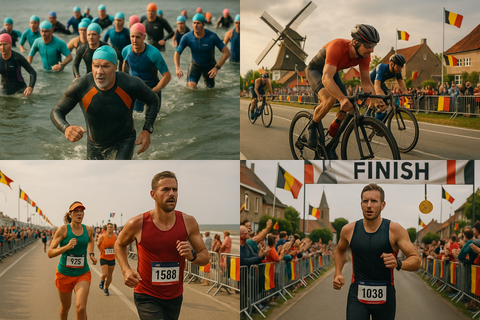
Competitors from across the country descended on the Gulf Coast to swim, bike, and run through conditions that would send most people straight back to bed. Cold temperatures, relentless winds, and driving rain tested every athlete from the first stroke in the water to the final stride across the finish line. And yet, they kept moving.
The Perfect Storm: When Weather Becomes the Ultimate Competitor
There's a saying among seasoned endurance athletes: you can train for distance, but you can't fully train for weather. This weekend, that truth hit home on the Mississippi Gulf Coast.
Competitors faced a punishing combination of cold air, wind, and driving rain — conditions that don't just slow athletes down, they get inside their heads. Wet roads add unpredictability to the cycling segment. Cold water creates an entirely different challenge for swimmers. And when you've already battled the elements through two disciplines, facing a rain-soaked run course demands a level of mental fortitude that goes far beyond physical fitness.
Despite the adversity, the event proceeded, a testament both to the careful safety planning of organizers and to the sheer determination of the athletes who had traveled from across the nation to compete. Events like CLASH don't simply happen — they require detailed contingency planning, trained safety personnel on the course, and organizers willing to make difficult, real-time decisions when conditions change.
The weather didn't just challenge athletes. In many ways, it defined the weekend. Finishing a triathlon on a perfect sunny day is an achievement. Finishing one in conditions like these? That's a story athletes will tell for years. For those preparing for their own challenging race conditions, understanding triathlon time limits across all distances can help set realistic expectations when weather becomes a factor.
A National Draw to the Gulf Coast
What makes the CLASH Endurance Triathlon remarkable isn't just the race itself — it's who shows up to run it. Thousands of athletes traveled from across the country to compete on the Mississippi Gulf Coast, turning a regional event into a nationally recognized destination race.
This kind of national draw carries significance well beyond the sport. When athletes travel to compete, they bring their families, their spending, and their attention. Local hotels, restaurants, and businesses along the Gulf Coast feel the impact of a large-scale endurance event in very real, measurable ways. For a region with a coastline as naturally suited to athletic tourism as Mississippi's, events like CLASH represent a powerful opportunity to showcase what the Gulf Coast has to offer — not just as a vacation destination, but as a serious home for competitive sport.
The diversity of the participant field — athletes of different ages, experience levels, and home states — also speaks to the event's growing reputation. Triathlons attract a committed, passionate community, and word travels fast about which events are worth the journey. The fact that thousands made the trip to the Gulf Coast, even facing an uncertain weather forecast, says something meaningful about how CLASH has established itself in the endurance sports calendar. For those seeking their next challenge, exploring triathlons near you can help identify similar destination races.
Three Disciplines, One Brutal Day: How Athletes Adapted
A triathlon is already a demanding test of versatility. Swimmers must transition seamlessly to cyclists, and cyclists must find their legs as runners — all while managing nutrition, hydration, pacing, and the cumulative weight of fatigue. Add severe weather into that equation, and every single discipline becomes its own unique survival challenge.
Swimming Through the Storm
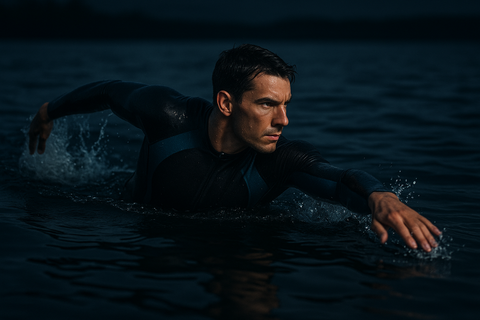
The swim segment sets the tone for everything that follows, and in cold, choppy conditions, it can also be the most psychologically daunting. Cold water tightens muscles, shortens breath, and rattles nerves before athletes have even left the water. For many competitors, managing the swim in difficult conditions means resisting the urge to panic and focusing on controlled, deliberate movement — preserving energy for the miles that lie ahead.
Having the right equipment makes all the difference in challenging water conditions. Quality anti-fog swim goggles with UV400 protection ensure clear vision even in choppy water, while a properly fitted competition triathlon suit provides warmth and reduces drag throughout the swim.
Cycling Into the Wind
If the swim tests composure, the bike course in heavy wind and rain tests courage. Wet roads reduce traction, crosswinds threaten stability, and the relentless resistance of riding into a headwind drains energy reserves rapidly. Athletes making smart equipment choices — and more importantly, smart pacing decisions — find a way to manage the conditions rather than fight them. Those who push too hard into the wind early often pay a steep price by the time the run begins.
For cyclists looking to optimize their performance in all conditions, understanding the best triathlon cycling shoes for faster transitions can shave precious seconds off your time. Additionally, proper bike maintenance with quality Shimano components ensures reliability when conditions get tough.
Running It Home
By the time athletes reach the run segment, they've already conquered cold water and treacherous roads. But the run in rain and wind brings its own hazards: waterlogged shoes, chafing, temperature regulation challenges, and the simple mental grind of putting one foot in front of the other when the body is screaming to stop. This is where races are truly won and lost — not in the legs, but in the mind.
Maintaining proper hydration and electrolyte balance becomes critical during extended efforts in challenging conditions. Many elite athletes rely on magnesium complex supplements to prevent cramping, while electrolyte powder packets provide convenient on-course nutrition.
More Than a Race: What Events Like This Mean for the Gulf Coast
The CLASH Endurance Triathlon is about more than medals and finish-line photos. Events of this scale require an entire community to make them possible — volunteers marshaling course intersections at dawn, local emergency personnel stationed along the route, businesses opening early to serve athletes fueling up before the gun goes off.
That community investment matters. The Gulf Coast has long been a region defined by its resilience — anyone who has watched this coastline rebuild and reinvent itself understands that. In many ways, an endurance event that refuses to be stopped by bad weather fits perfectly into the spirit of the place hosting it.
As endurance sports tourism continues to grow nationally, the Mississippi Gulf Coast is increasingly well-positioned to attract major events. A coastline offering open water swimming, scenic cycling routes, and a community with a proven track record of supporting large-scale athletic competitions is a compelling combination. The CLASH Endurance Triathlon is, in that sense, both a celebration of what athletes can achieve and a showcase of what this region can offer. For those inspired to take on similar challenges, learning about what constitutes a good Ironman 70.3 time can help set appropriate goals.
The Finish Line: Lessons in Resilience
Here's the truth about endurance racing that non-athletes sometimes miss: the goal was never just to finish fast. The goal was to finish.
Every athlete who crossed the finish line at this weekend's CLASH Endurance Triathlon did so having conquered something most people will never attempt, under conditions that even veteran competitors couldn't have fully anticipated. That matters. Whether it was a first-time triathlete completing their inaugural race or a seasoned competitor chasing a personal best, each finish told the same fundamental story — that preparation, determination, and the refusal to quit are more powerful than any storm.
The Mississippi Gulf Coast provided the stage. The weather provided the obstacle. And thousands of athletes from across the country provided the reminder that when human will meets genuine adversity, the human will has a remarkable track record of coming out on top.
For athletes looking to build the mental and physical resilience needed for challenging races, exploring 7 game-changing triathlon drills can elevate your performance, while understanding inspiring age group triathlon stories demonstrates that greatness lives in all of us.
Are you an endurance athlete, a local spectator, or a first-time triathlete inspired by this weekend's event? Share your experience in the comments below, or visit the CLASH Endurance official channels for information on upcoming races and registration opportunities. The Gulf Coast will be ready — rain or shine.
Find the perfect race day essentials at TriLaunchpad — your triathlon journey starts here. Shop all collections →