As we pedal through 2025, the cycling industry continues to captivate us with its bold claims and innovative trends. Recently, Scribe made headlines with their audacious assertion that their new Tempus carbon TT wheels are "the fastest bike wheels on the planet." This claim not only raises eyebrows but also questions about the credibility of such statements in an industry known for its fierce competitiveness and marketing prowess.
Unpacking Scribe's Bold Claim
Scribe's Tempus wheels are crafted from premium T1000 carbon fiber, renowned for its strength-to-weight ratio, and are equipped with Ceramic Grade 3 Bearings and Sapim CX-Ray spokes. These features are designed to enhance aerodynamics and performance, a culmination of five years of rigorous testing including CFD simulations and wind-tunnel experiments. Priced competitively against giants like Zipp's 353 NSW wheels, Scribe's offering beckons serious competitors with a promise of unmatched speed.
However, the cycling community must approach these claims with a healthy dose of skepticism. The industry lacks standardized testing protocols, allowing manufacturers to set favorable conditions during product testing. This makes it challenging for consumers to discern marketing fluff from factual superiority.
Gravel Racing: The New Frontier of Cycling Competition
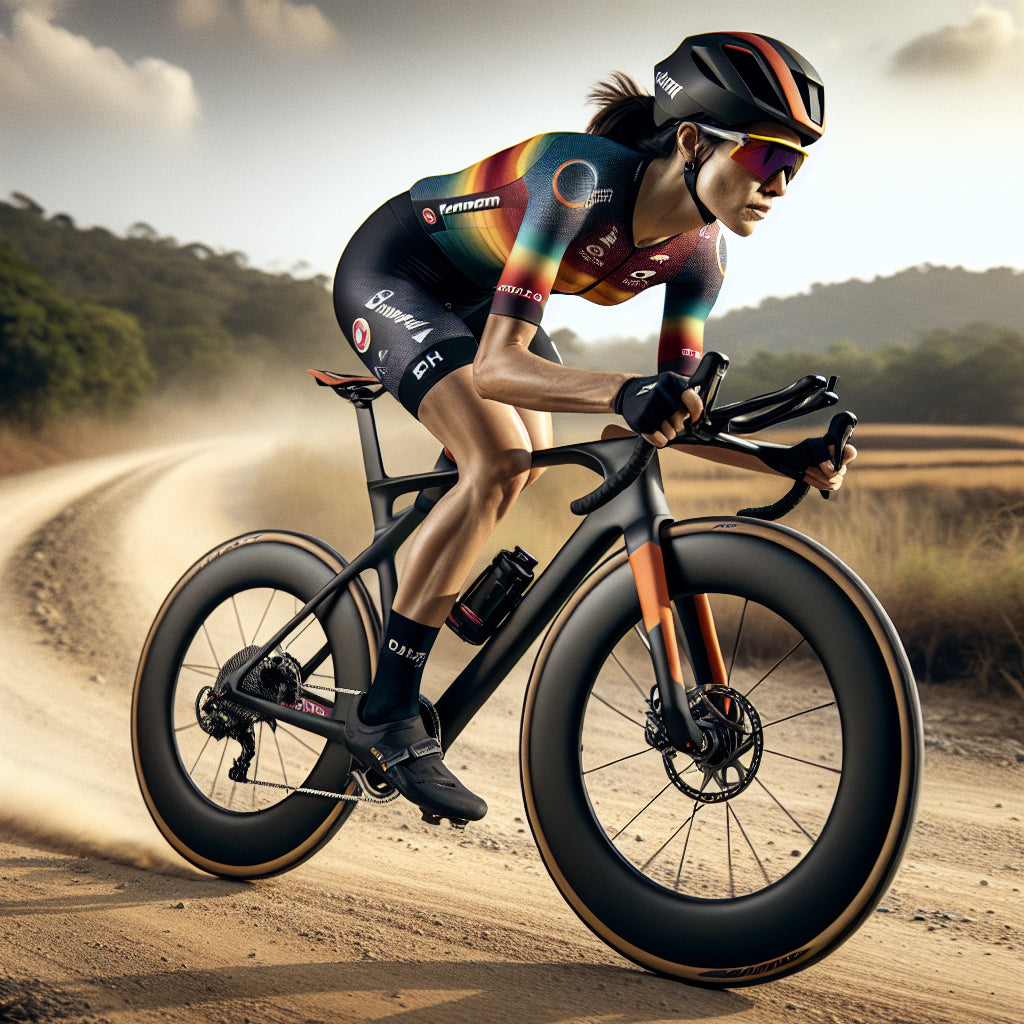
Gravel racing, particularly at events like Unbound Gravel, has evolved into a battleground for equipment optimization. This discipline now demands a meticulous selection of gear, from sophisticated tire setups to streamlined drivetrains, echoing the technical rigor once exclusive to triathlon.
The transformation of gravel racing into a high-stakes arena of aerodynamic tweaking and specialized equipment mirrors the evolution of triathlon. This shift has sparked a debate on whether gravel racing is losing its original charm of accessibility and rugged adventure, morphing instead into a sport dominated by technological advancements and financial investment.
Aesthetic Innovation: More Than Just a Paint Job
The cycling industry's focus on aesthetics continues to captivate consumers. Trek's Project One customization program introduces the "Terrestrial" design, celebrating 25 years of bespoke aesthetics that blend performance with visual appeal. Similarly, Brompton's Tour de France limited editions, featuring unique sublimation print techniques, showcase how emotional connections and heritage can enhance the appeal of even the most functional urban bikes.
The Practicality of High-Performance Gear in Gravel Racing
The irony of utilizing high-tech, aerodynamically optimized equipment in the punishing conditions of gravel racing is not lost on the community. The balance between performance features and practical durability is crucial. Riders must navigate this delicate balance to optimize their setup for both speed and resilience, a challenge that defines the modern state of competitive gravel racing.
Navigating the Hype-Driven Market of Cycling Technology
For cycling enthusiasts wading through the 2025 tech landscape, a critical approach is essential. Evaluate the veracity of performance claims with independent reviews and consider how the purported benefits align with your specific cycling needs and conditions. Moreover, the allure of premium aesthetics should be weighed against practical benefits, especially when hefty price tags are involved.
As the lines between performance and aesthetics continue to blur, the cycling industry is poised to keep evolving, potentially incorporating more standardized testing protocols to aid consumers in making informed decisions. Meanwhile, gravel racing will likely continue to grow, both in popularity and in its demands for specialized equipment, possibly reshaping the sport's identity in the years to come.
 Apr 3, 2027IRONMAN 70.3 Oceanside
 Apr 4, 2027IRONMAN 70.3 Texas
 Apr 10, 2027T100 Triathlon Singapore
 Apr 18, 2027IRONMAN 70.3 Valencia
 Apr 18, 2027Wallisellen Triathlon
 Apr 24, 2027Memorial Hermann IRONMAN Texas North American Championship