From Sixth to First: How Kat Matthews Dominated Ironman New Zealand with Tactical Brilliance
British triathlete Kat Matthews showcased a stunning display of patience, power, and precision to transform a 2:39 swim deficit into a commanding 7-minute victory at Ironman New Zealand on March 7, 2026. This performance not only set the tone for what could be a landmark season but also highlighted her tactical mastery in long-course racing.
As the first major full-distance Ironman of the year, the iconic Taupo course in New Zealand served as the opening battleground for athletes eager to secure one of the four coveted slots for the Ironman World Championship. Matthews answered every question about her early-season fitness emphatically, crossing the finish line in 8:28:55 and proving once again that in Ironman racing, the swim is merely the prologue.
Race Overview: Setting the Stage in Taupo
Ironman New Zealand holds a special place on the global triathlon calendar. As one of the longest-running Ironman events outside North America, the race in Taupo attracts a mix of established stars and emerging talent. This year's women's field was no exception, with Matthews at the center of pre-race attention due to her formidable bike splits and relentless run speed.
The competition was fierce, featuring New Zealand's Hannah Berry with home-course advantage, Dutch athlete Lotte Wilms with proven Ironman credentials, and Britain's Fenella Langridge among others. With four World Championship slots on the line, every position mattered, ensuring an honest race from the start.
The Swim: An Early Deficit That Didn't Define the Race
The 3.8-kilometer swim began at a relentless pace, with an aggressive lead pack forming early. Langridge, Wilms, Clarke, Berry, and Knighton exited the water together in 50:51, putting immediate pressure on those not in the front group. Matthews emerged in sixth position, facing a 2:39 deficit before even clipping into her pedals.
For many, such a gap in an Ironman swim could be a significant tactical blow. However, Matthews is not most athletes. In full-distance triathlon, the swim accounts for roughly 10% of total race time, while the bike and run make up the remaining 90%. A deficit like this is well within the range that a superior cyclist can recover, provided they execute their race plan without panic.
If you're looking to improve your swim performance, consider investing in quality anti-fog swimming goggles with UV protection to enhance visibility and comfort during training.
The Bike Leg: The Great Equalizer
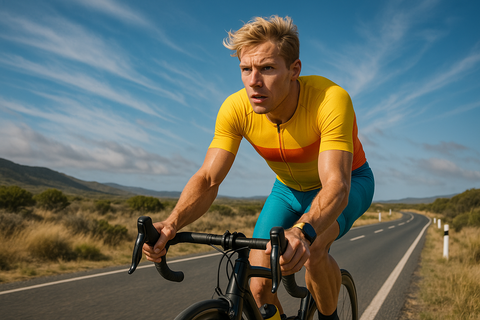
Matthews wasted no time addressing her swim deficit. Within the first 20 kilometers of the 180-kilometer bike leg, much of her gap had already evaporated. As the lead group naturally fragmented, Matthews surged forward with controlled aggression, riding her way through the field toward the front.
She joined the leaders as the once-five-strong front group thinned. Clarke was the first to lose contact, leaving a powerful trio: Matthews, Berry, and Wilms. What followed was a masterclass in cooperative-yet-competitive Ironman cycling. The three leaders rode efficiently, sharing the workload to maximize their collective advantage over the rest of the field.
By the time they reached T2, they had built a margin of over five minutes over Australia's Regan Hollioake in fourth place. Matthews executed the bike leg perfectly, closing her deficit without exhausting herself and arriving at the marathon ready to attack.
For athletes looking to optimize their bike performance, proper nutrition is critical. Magnesium citrate supplements can help prevent cramping during long rides and support muscle recovery.
The Marathon: Where Champions Are Made
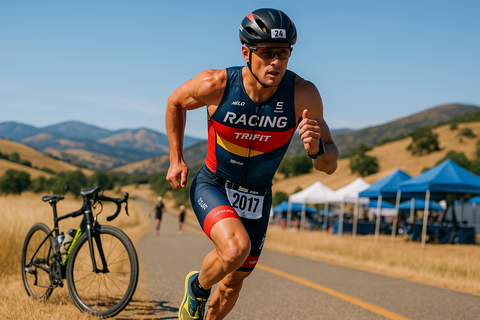
In Ironman racing, there's a saying: the swim is for show, the bike is for positioning, and the run is where the race is decided. Matthews embodied this philosophy, effectively deciding the race almost immediately on the run.
She surged in the opening kilometer of the marathon, applying pressure that Berry couldn't match. Within moments, daylight appeared between them, and the gap only grew. Berry secured second position, but never threatened Matthews' lead.
From that decisive move, the podium positions remained unchanged for the rest of the race. Matthews' early breakaway was a calculated strike, backed by her run fitness. She continued to extend her lead throughout the marathon, running with rhythm and confidence.
Understanding triathlon time limits and pacing strategies is essential for executing a successful race plan like Matthews demonstrated.
Final Results and Championship Implications
The final standings highlighted Matthews' dominance:
| Position | Athlete | Nationality | Finish Time |
|---|---|---|---|
| 1st | Kat Matthews | 🇬🇧 GBR | 8:28:55 |
| 2nd | Hannah Berry | 🇳🇿 NZL | 8:35:43 |
| 3rd | Lotte Wilms | 🇳🇱 NED | 8:39:57 |
| 4th | Tamara Jewett | 🇨🇦 CAN | — |
Matthews' time of 8:28:55 was a strong early-season performance, particularly given the tactical nature of her race. With four World Championship slots available, the top finishers can breathe easier knowing their ticket is punched early in the season. For Matthews, this race was about establishing dominance and building momentum for the championship season ahead.
Looking Ahead: Matthews' 2026 Season Trajectory
Opening the season with a commanding victory at a major Ironman sends a clear message: Kat Matthews is ready. With a debut at Challenge Roth reportedly on her 2026 calendar, Matthews appears to be targeting the biggest events with genuine podium ambitions. Her performance in New Zealand suggests she has the fitness to back up those words.
For Berry, Wilms, and Jewett, the race provided valuable championship-qualifying points and confirmation of their own early-season form. The 2026 Ironman season is just getting started, and if New Zealand is any indication, it promises to be a compelling one.
Find the perfect race day essentials at TriLaunchpad — your triathlon journey starts here. Shop all collections →