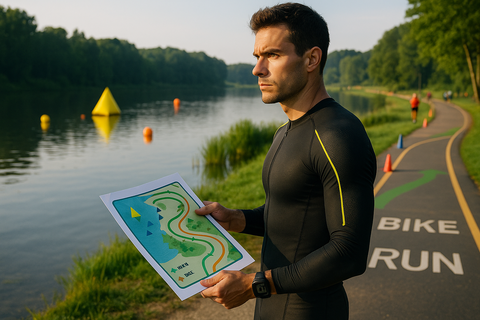
Growth Mindset & Consistency
Key Takeaways
- 🎯 Consistency wins: small consistent steps and daily actions compound into significant results over time.
- 🧠 Growth mindset matters: embrace challenges, persist through setbacks, treat effort as the path to mastery (thanks, Carol Dweck), and learn from criticism.
- ⏰ Time management is a competitive advantage: prioritize tasks by importance and urgency, avoid procrastination, and focus on goal setting that actually moves the needle.
- 💡 Continuous learning keeps you adaptable: seek new ideas, perspective, and skills to fuel personal development and professional growth.
- 🤝 Networking opens doors: build mutually beneficial relationships—give as much as you take—and your opportunities multiply.
Summary — In human terms
Success isn't the product of dramatic, one-off explosions. It's the result of showing up day after day — those small consistent steps that feel almost invisible until, suddenly, they aren't. Whether you're training for a race, building a business, or learning a new skill, regular performance beats sporadic heroics. Think of consistency like compound interest: tiny deposits every day create exponential returns over years.
That's where a growth mindset comes in. Carol Dweck's framework reminds us that abilities aren't fixed; they're developed through dedication and hard work. People who embrace challenges, persist in setbacks, and treat effort as the path to mastery accelerate their learning. They welcome criticism as a map of what to improve, not as a verdict on identity.
But mindset without structure misfires. Time management—true task prioritization—turns intention into results. Use a simple filter: what's important and urgent? Block time for those tasks, eliminate distraction, and stop letting procrastination steal your best work. Goal setting becomes much more powerful when paired with prioritized daily actions.
In an ever-changing world, continuous learning is no longer optional. Skills development, adaptability, and new ideas are the currency of longevity. Feed your brain: read, practice, take courses, ask questions. Modern technology and AI-powered training tools can accelerate your learning curve and help you adapt faster. Personal development isn't a finish line; it's a lifestyle.
Finally, don't underestimate the multiplier effect of relationships. Networking is not transactional. Build trust, offer value, and cultivate a strong network that opens doors you didn't even know existed. Give as much as you ask for—mutually beneficial relationships last.
A quick personal note (and an example)
I used to believe breakthroughs came from big, dramatic pushes. I'd binge-train, binge-read, binge-network — and then burn out. What changed was tiny: I committed to 20 minutes of deliberate practice every morning, prioritized one high-impact task each day, and reached out to one person a week to learn something new. After a year those daily actions added up to a different life.
If you need a poster child for this approach, look at Lionel Sanders — "Mr. No Limits." His consistency, obsession with process, and resilience are textbook examples of how small, disciplined habits produce elite results. He didn't sprint to the top; he showed up. His training philosophy demonstrates that sustainable progress beats unsustainable intensity every time.
Practical steps to apply this today
- Start with one tiny habit: 10 minutes of focused learning or one prioritized work block. Small consistent steps beat overwhelm.
- Adopt a growth mindset cue: when you feel resistance, ask "What can I learn from this?" instead of "Why is this happening to me?"
- Use a simple time-management rule: list tasks, label them Important/Urgent, then block time for the top 1–2 items.
- Kill procrastination with a micro-commitment: set a 5-minute timer and begin; momentum usually follows.
- Invest in networking as a habit—reach out weekly with value (share an article, offer help, ask one question).
- Commit to continuous learning: schedule one hour per week for skill development and track progress. Consider using personalized training apps to optimize your development.
- Support your mental performance with proper nutrition—nootropic supplements like Power Up can help maintain focus during long learning sessions.
Why this works
Consistency reduces decision friction and trains your brain to expect progress. A growth mindset turns setbacks into feedback loops, and time management ensures the right work gets done. Continuous learning keeps you adaptable, and networking multiplies opportunities. Put them together and you have a sustainable engine for personal development and long-term success.
Whether you're pursuing athletic goals, professional advancement, or personal mastery, the principles remain the same: show up consistently, embrace the process, manage your time wisely, and never stop learning. Track your progress with tools like fitness trackers to maintain accountability and measure your growth over time.
Source & further reading
Source: the original video (transcript below). For a deeper dive into the growth mindset, see Carol Dweck, Mindset (2006). For a real-world example of consistency and resilience in sport, follow Lionel Sanders ("Mr. No Limits").
Additional resources: Explore inspiring stories of athletes who transformed through consistency, or learn about science-backed methods for optimizing performance and recovery.
Transcript
[The transcript text of the video goes here.]
If you want, I can turn this into a ready-to-publish blog post with images, pull-quotes, and SEO meta tags using the exact keywords and LSIs you provided. Want me to do that?
Find the perfect triathlon gear at TriLaunchpad — your triathlon journey starts here. Shop all collections →