How High School Travel Programs Transform Students
The educational benefits beyond the classroom
Imagine the Transformative Power of Travel
A single travel experience can spark perspective shifts and lasting personal growth that classroom instruction alone cannot deliver.
Imagine a 16-year-old standing amidst the ancient ruins of a foreign temple, the golden hues of sunset casting a magical glow over the stones. In that moment, something profound occurs—a shift in perspective that no classroom lecture could ever replicate. This is the power of "awe," a psychological phenomenon uniquely delivered by travel. It's precisely why high school travel programs, like those offered by the Bellevue Travel Club, are investing in these transformative experiences for students.
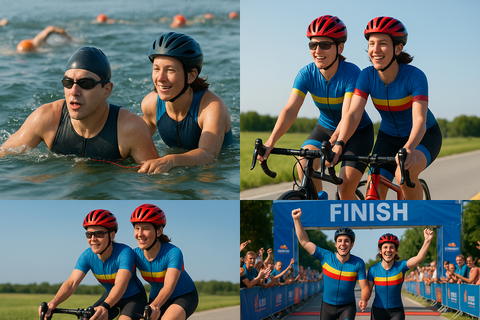
The Bellevue Travel Club's recent fundraising efforts, including their upcoming triathlon tournament featuring Yahtzee, bowling, and corn hole, showcase how communities can rally behind these invaluable educational opportunities. But what makes these programs so crucial, and why are they worth the investment?
The Social Learning Revolution: Beyond Classroom Walls
During the teenage years, much of social learning occurs through interactions with peers and family. However, travel provides a unique opportunity that standard educational settings simply cannot replicate: the chance for teens to bond with others beyond their usual circles through shared adventures.
When students travel together, they form connections that transcend typical high school social barriers. Away from familiar hierarchies and established friend groups, teens discover new facets of themselves and their classmates. These shared experiences—navigating a foreign subway system, trying unfamiliar foods, or overcoming language barriers—create lasting bonds and teach collaboration skills that prove invaluable throughout life.
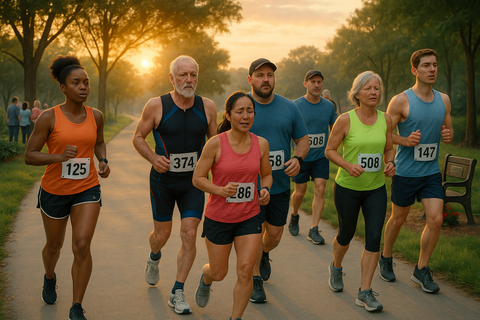
The beauty of travel-based social learning lies in its authenticity. Unlike structured team-building exercises, the challenges students face while traveling are real, immediate, and meaningful. This creates an environment where genuine relationships can flourish and leadership skills naturally emerge—much like the transformative power of endurance sports communities where athletes support each other through challenging journeys.
Essential Life Skills Development Through Travel
High school travel programs help students develop crucial life skills that traditional classroom education often struggles to address effectively. When students venture outside their comfort zones, they're forced to adapt, problem-solve, and take responsibility for their actions in ways that build genuine competence and confidence.
- Self-confidence building occurs naturally when teenagers successfully navigate new environments. Learning to read foreign transportation systems, communicate across language barriers, or find their way through unfamiliar cities provides concrete evidence of their capabilities—similar to how athletes build confidence by conquering physical and mental challenges.
- Resilience training happens organically as students adapt to new customs and unexpected situations. When their usual coping mechanisms aren't available, teens develop flexibility and emotional regulation skills that serve them well beyond their travel experiences.
- Problem-solving skills emerge from necessity when students encounter real-world challenges. Learning to navigate a foreign city or adapt to new customs requires tolerance for uncertainty—an essential skill for emotional resilience.
- Empathy cultivation develops through direct exposure to different ways of life. When students witness how others live, work, and solve daily problems, their worldview naturally expands.
The Psychology of Awe: How Travel Transforms Teen Minds
Travel's impact on young people's minds goes far deeper than simple education—it triggers powerful psychological responses that can reshape how teenagers see themselves and their place in the world. The feeling of awe, that sense of wonder when encountering something vast, beautiful, or mind-blowing, has profound effects on adolescent development.
Psychologists have identified that feelings of awe can lead to "self-transcendence," meaning people feel connected to something bigger than themselves. For teenagers who often struggle with feelings of loneliness or uncertainty about their identity, this psychological shift can be transformative.
According to Psychology Today research on travel's transcendent power, these awe experiences help teens "see their problems in a new way, lower their stress, and help them develop a more positive outlook." When students experience awe—whether standing before a breathtaking landscape, witnessing a moving cultural ceremony, or observing historical artifacts—they gain perspective that extends far beyond their immediate circumstances. This broader view helps them develop resilience and emotional regulation skills that benefit their mental health long after they return home.
Cultural Immersion: Building Global Citizens
Experiencing a new culture allows students to learn about local customs and deepen their understanding of different traditions and lifestyles in ways that textbooks simply cannot match. This immersion helps them appreciate cultural differences and develop an inclusive worldview that's essential for success in our interconnected world.
Travel challenges students' preconceived notions and broadens their mental frameworks through direct exposure to different ways of living and thinking. When teens witness how other societies organize themselves, solve problems, and prioritize values, they begin to understand that their own cultural norms are just one of many possible approaches to life.
This cultural education extends far beyond surface-level tourism. When students connect with local communities and participate in their traditions, they gain valuable perspectives on history that promote personal growth and improve their communication skills. Visiting historical sites, museums, and cultural events enhances learning beyond the classroom in ways that create lasting impact.
The Long-term Impact: Creating Tomorrow's Leaders
The benefits of high school travel programs extend far beyond the immediate experience. Students who participate in educational travel often report increased academic performance, improved college readiness, and enhanced career prospects. More importantly, they develop the cultural competency, adaptability, and global perspective that employers increasingly value in our interconnected economy.
Research indicates that teenagers who travel tend to develop greater creativity and openness to new ideas because travel exposes them to different ways of living and thinking. This cognitive flexibility becomes a lifelong asset, helping them navigate challenges and opportunities with greater confidence and innovation.
The leadership skills developed through travel experiences—decision-making under pressure, cross-cultural communication, and team collaboration—prepare students for success in higher education and professional environments. These aren't skills that can be easily taught in traditional classroom settings; they must be experienced and practiced in real-world contexts, much like how athletes develop performance skills through deliberate practice.
Taking Action: How to Support Youth Travel Programs
The transformation that travel provides for young people is too valuable to leave to chance or economic privilege. Communities, educators, and parents must work together to ensure these opportunities are available to all students who can benefit from them.
For Parents
Research travel programs offered by your school district and advocate for their expansion. Support fundraising efforts and consider organizing community events to help offset costs for students who need financial assistance.
For Educators
Work with administrators to develop or expand travel programs. Partner with local businesses and organizations to create sustainable funding models that make these programs accessible to all students.
For Community Members
Support local fundraising events like the Bellevue Travel Club's tournament. Consider sponsoring students or providing in-kind donations for program activities.
For Students
Get involved in travel programs if they're available, or work with teachers and administrators to help establish them if they're not. Take leadership roles in fundraising efforts to help make these opportunities accessible to your peers.
The Bellevue Travel Club's fundraising efforts remind us that transformative educational experiences don't happen automatically—they require community support, student initiative, and sustained commitment to youth development. By supporting these programs, we invest in a future where young people are equipped with the skills, perspectives, and confidence to address whatever challenges await them.
Find the perfect race day essentials at TriLaunchpad — your triathlon journey starts here. Shop all collections →