From Cockpit to Finish Line: Four Test Pilots' Epic Ironman Adventure
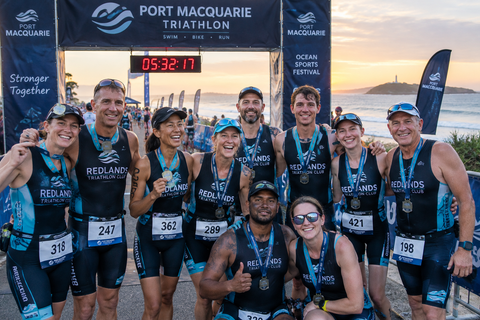
In a remarkable display of endurance and mental fortitude, four experimental test pilots from the Redstone Test Center took on one of the world's most grueling athletic challenges: the Ironman triathlon. Chief Warrant Officer 4 Brent Gregory, Major Katherine Houle, Major Frank Arnold, and Major Beau Carroll, accustomed to pushing million-dollar aircraft to their limits, decided to push their own bodies to the ultimate test. On November 1st, at the Panama City Beach Ironman triathlon, they proved that the skills required for high-stakes aviation translate remarkably well to endurance athletics.
The Parallel Worlds of Test Flying and Ironman Training
The Ironman triathlon is the pinnacle of endurance sports—a punishing combination of a 2.4-mile swim, 112-mile bike ride, and a full 26.2-mile marathon run, all completed in a single day. For these military test pilots, whose profession demands split-second decision-making and unwavering focus under pressure, the challenge offered a unique opportunity to apply their aviation skills in an entirely different arena.
The connection between experimental test flying and Ironman competition runs deeper than physical endurance. Both disciplines demand meticulous preparation, risk assessment, and the ability to perform under extreme stress. Test pilots spend years developing the mental discipline to remain calm and focused when aircraft systems fail or when pushing experimental technology beyond known limits. This same psychological resilience becomes crucial during the darkest moments of an Ironman race—when muscles scream for relief and the mind searches for reasons to quit.
"It takes some level of mental fortitude to get through this," Gregory explained. This understated assessment from someone who tests experimental aircraft for a living speaks volumes about the challenge these four professionals willingly embraced.
The Power of Team Training: A Year-Long Journey
What set this group apart wasn't just their individual determination, but their commitment to training as a team. Over the course of more than a year, they held each other accountable through grueling preparation sessions that would challenge even the most dedicated athletes.
"I could not have done it without a tight group of friends to hold me accountable and spend long weekend training," Carroll emphasized, highlighting a critical factor that many solo athletes struggle with. The accountability partnership these four pilots created became the foundation of their success.
Their training journey included several milestone events that served as both preparation and proof of concept. They tackled the Rocket City Marathon in December 2024, followed by a Half-Ironman in May 2025, along with numerous smaller races. These stepping-stone events allowed them to test their strategies, identify weaknesses, and build confidence for the ultimate challenge.
Mental Fortitude: Lessons from the Cockpit
The mental demands of test flying provided these pilots with unique advantages in Ironman competition. In aviation, pilots must maintain focus and decision-making capability even when facing equipment failures or unexpected weather. This same mental discipline proved invaluable during the race's most challenging moments.
"I learned that the event itself is not that hard, it's just having the discipline to train for six days a week," Arnold observed. This insight reveals the military mindset that separates professional aviators from recreational athletes—the understanding that consistent, disciplined preparation is more important than single heroic efforts.
Gregory's acknowledgment of the mental challenge—"I don't know if I could have done this without the encouragement of my friends"—demonstrates that even highly trained military professionals recognize the importance of support systems when facing extreme challenges. The humility to seek help and accountability reflects the same crew resource management principles that keep aviation teams safe during complex missions.
Nutrition and Fueling Strategies for Extreme Performance
The precision that test pilots bring to aircraft systems analysis served them well in developing race nutrition strategies. Houle made a crucial discovery during training that "the best type of fueling carbohydrate is sugar"—a finding that challenges conventional wisdom about complex carbohydrates but aligns with sports science research on rapid energy absorption during ultra-endurance events.
Arnold took this nutritional precision to an extreme level, consuming approximately 3,000 calories during the race, with the intake consisting almost entirely of carbohydrates. This strategic approach to fueling demonstrates the same analytical mindset that pilots apply to fuel calculations and performance optimization in aircraft operations. For athletes looking to optimize their race-day nutrition, electrolyte supplements can help maintain proper hydration and energy levels during long endurance events.
The Training Protocol: From Preparation to Performance
The year-long preparation these pilots undertook resembles the structured approach of military training programs. Their regimen required training six days per week, treating the preparation with the same seriousness they would bring to a critical test flight program.
"This becomes a full-time job, on top of my real job," Gregory explained, highlighting the extraordinary time commitment required. The pilots balanced demanding military careers with training sessions that included six-hour bike rides, multiple-hour runs, and extended swimming sessions. This dual commitment required the same time management and prioritization skills that enable test pilots to manage complex aircraft certification programs while maintaining operational readiness.
For triathletes serious about tracking their training progress and performance metrics, investing in quality technology is essential. A GPS running watch can provide invaluable data on pace, heart rate, and training load to optimize your preparation.
Family Support and Life Balance
Gregory's heartfelt acknowledgment of family sacrifice reveals an often-overlooked aspect of extreme athletic pursuits: "I would like to thank my family for their level of support and the time away so I could train for this... it took a lot of support from my wife and young kids." This recognition demonstrates the mature perspective these professionals brought to their athletic goals.
The challenge of balancing Ironman training with military careers and family responsibilities requires the same careful resource allocation that test pilots use when managing competing priorities in complex flight test programs. The ability to maintain perspective while pursuing extreme goals reflects the balanced approach that successful military professionals develop throughout their careers.
Lessons for Aspiring Athletes
- Build Accountability Partnerships: As Carroll emphasized, having friends who hold you accountable can make the difference between success and failure. The group dynamic provided motivation during difficult training sessions and helped maintain consistency over the long preparation period.
- Apply Professional Discipline: The six-days-per-week training discipline that Arnold highlighted demonstrates how professional work habits can transfer to athletic pursuits. Treating training with the same seriousness as career responsibilities creates the consistency necessary for success.
- Embrace Systematic Preparation: Their progression from shorter races to the full Ironman demonstrates the value of building capability gradually rather than attempting to jump directly to the most challenging goals.
- Recognize Support Systems: Gregory's acknowledgment of family sacrifice shows the importance of securing support from loved ones when pursuing demanding objectives.
Looking to the Future
The story doesn't end with their November success. Arnold's commitment to Challenge Roth in Germany in July 2026—which he describes as "another adventure"—demonstrates the addictive nature of extreme challenges for high-performance individuals. His teammates' good-natured assessment of his sanity ("Frank is insane," Carroll noted) reflects the camaraderie that made their training journey sustainable.
While not all four pilots have committed to another full Ironman, their plans for shorter distance races in the coming year show that the principles they've learned will continue to drive their athletic pursuits. The foundation they've built—both in terms of fitness and teamwork—provides a platform for whatever challenges they choose to tackle next.
Find the perfect training gear at TriLaunchpad — your triathlon journey starts here. Shop all collections →