From Bulls to Bikes: Pamplona's Historic Streets to Host World-Class Triathlon Action
The cobblestone streets of Pamplona, renowned for the thunderous Running of the Bulls, are set to host a different kind of endurance spectacle. On May 23-24, 2026, the Professional Triathletes Organisation (PTO) will bring the T100 World Championship to this culturally iconic Spanish city, transforming its medieval pathways into a world-class triathlon course.
This strategic venue choice signifies more than just a race relocation; it marks a shift towards destinations that blend athletic excellence with rich cultural heritage. The collaboration between PTO, World Triathlon, and the Spanish Triathlon Federation (FETRI) highlights how modern triathlon is embracing venues that offer both competitive integrity and a compelling narrative that resonates globally.
For athletes, fans, and the broader triathlon community, Pamplona's selection reveals important insights about the sport's direction and why cultural authenticity has become as valuable as technical race specifications.
The Strategic Move: Why Pamplona is the Perfect Choice
Pamplona's international recognition extends beyond endurance sports. The city's San Fermín festival and its famous encierro attract global attention every July, creating a brand awareness that most sporting venues can only dream of achieving. This existing cultural capital provides the T100 series with something increasingly valuable in today's crowded sports landscape: instant recognition and narrative depth.
"Pamplona has quickly built an impressive reputation for hosting triathlon events thanks to the success of the Half Triathlon Pamplona-Iruña, and proved its international pedigree by hosting the European Middle Distance Championships earlier this year," explains the PTO leadership announcement. The city's proven track record in triathlon organization isn't accidental—it's the result of nearly a decade of careful development.
Since 2015, the Half Triathlon Pamplona-Iruña has evolved into what organizers call "a flagship event in European triathlon." This foundation provides the T100 with something rare: a venue that combines established operational excellence with untapped international potential. The medieval architecture surrounding the race course offers a backdrop that's both photogenic for global broadcasts and practically proven for elite competition.
The partnership with local triathlon clubs Trikideak and Navarra Triathlon Federation demonstrates the grassroots support that successful T100 events require. Unlike venues chosen purely for their facilities, Pamplona brings an authentic triathlon community that has been building toward this moment for years.
What This Means for the T100 World Tour
Spain's continued prominence in the T100 calendar tells a significant story about the tour's geographic strategy. Pamplona becomes the third Spanish venue, following Ibiza in 2024 and Oropesa del Mar earlier this year. This consistency suggests that Spain has proven itself as more than just a convenient European location—it's become a cornerstone of the tour's identity.
The 2026 calendar positioning places Pamplona strategically within the nine-race championship structure. Scheduled for late May, it sits perfectly between the spring races in Gold Coast (March 21-22) and Singapore (April 25-26) and the summer events in Vancouver (August 15-16). This timing allows the event to capitalize on optimal weather conditions while providing athletes with appropriate recovery periods.
The collaboration dynamics reveal an increasingly sophisticated approach to venue partnerships. As World Triathlon President Antonio F. Arimany notes: "This collaboration continues to strengthen the World Triathlon circuit, bringing together the world's top athletes for truly global, unforgettable events." The multi-year partnership structure provides stability that benefits athletes, sponsors, and local communities alike.
The Spanish Triathlon Federation's investment in hosting rights demonstrates confidence in long-term returns. José Hidalgo, FETRI president, emphasizes that "Spain continues to host this event and remains at the centre of major international triathlon competitions." This positioning as a triathlon hub creates competitive advantages for Spanish athletes while elevating the sport's profile nationally.
The Pamplona Advantage: Course and Community
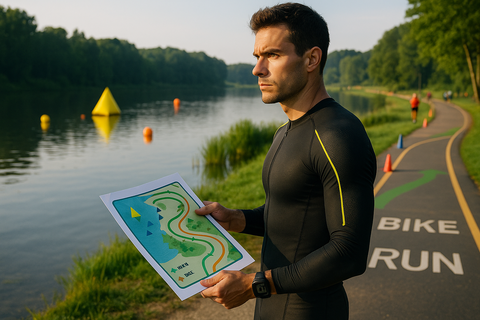
The race format showcases Pamplona's natural advantages perfectly. The 100km distance breaks down as 2km swim, 80km bike, and 18km run—with each segment highlighting different aspects of the region's geography and culture. The swim takes place in the Alloz Reservoir, providing the controlled conditions necessary for elite competition while offering spectators clear viewing opportunities.
The cycling portion traverses the "rolling Navarrese countryside," language that hints at challenging terrain without the extreme gradients that might favor specialists over well-rounded athletes. This balance is crucial for T100 events, which aim to crown the most complete triathletes rather than climbing specialists or pure speedsters. For athletes preparing for similar challenges, investing in proper Shimano cycling components can make a significant difference in performance.
The run course represents the event's most distinctive feature. The 18km route through Pamplona's historic old town culminates at Plaza del Castillo, literally steps away from where the Running of the Bulls occurs. This finish location creates powerful visual imagery for global broadcasts while providing intimate spectator experiences that larger venues cannot match.
Local government support extends beyond mere hosting permissions. As Rebeca Esnaola, Minister of Culture, Sport, and Tourism for Navarre, explains: "We are a leading community in the organization of national, international, and world-class sporting events, in which triathlon has always been particularly well received." This institutional backing, combined with Navarre's bid to become the European Region of Sport in 2027, suggests long-term commitment to sports tourism development.
Sustainability commitments are embedded throughout the event structure. The organizers have integrated eco-friendly measures "at every stage of the event" since the Half Triathlon's inception. For a sport increasingly conscious of its environmental impact, this established sustainability framework provides both practical benefits and marketing advantages.
Industry Impact and Future Implications
The economic implications of hosting T100 events extend far beyond race weekend revenues. Multi-year partnerships create sustained tourism benefits, particularly valuable for regions like Navarre that are building sports tourism infrastructure. The global broadcast reach—195+ territories through Warner Bros. Discovery partnerships—provides marketing value that traditional advertising budgets cannot match.
For the competitive landscape, integrating the Spanish National Championships with the T100 race creates compelling dual narratives. Elite international athletes compete for World Championship points while Spanish athletes pursue national titles on home soil. This structure maximizes both participation and spectator interest while reducing scheduling conflicts that might fragment the competitive field.
The amateur racing opportunities represent crucial community engagement. T100 weekends operate as "festivals of multisport," providing pathways for athletes of all levels. From experienced competitors tackling the full 100km distance to first-time participants in single-discipline events, this inclusive approach builds local support while developing future elite athletes. Whether you're a seasoned pro or just starting your triathlon journey, proper preparation is essential.
The broadcast and media implications cannot be overstated. Racing through Pamplona's medieval streets creates images that travel far beyond traditional triathlon audiences. As President Arimany notes: "These images will travel the world, celebrating both the essence of Pamplona and the dynamic future of our sport." This visual storytelling capability becomes increasingly valuable as sports compete for attention in crowded media landscapes.
What Athletes and Fans Can Expect
The "festival of multisport" concept transforms race weekends from single-day competitions into extended cultural experiences. This approach acknowledges that modern sports tourism requires entertainment value beyond the primary competition. Spectators and participants alike seek immersive experiences that justify travel investments and create lasting memories.
Cultural integration opportunities abound in Pamplona's setting. The timing in late May provides perfect weather conditions while avoiding conflicts with the July San Fermín festival. This scheduling allows the triathlon to develop its own identity while benefiting from the city's established tourism infrastructure and cultural programming expertise.
Registration accessibility through both FETRI and T100 systems ensures broad participation opportunities. The dual pathway accommodates different athlete populations while simplifying administrative processes. Spanish athletes can register through familiar federation channels while international competitors use established T100 platforms.
The spectator experience promises to be exceptional, with the historic old town providing natural amphitheater settings for the run course. Unlike purpose-built venues that can feel sterile, Pamplona's medieval streets create atmosphere that enhances rather than competes with the athletic performances.
For athletes preparing for this unique challenge, having the right gear is crucial. Consider upgrading your training equipment with a Garmin Forerunner 945 LTE GPS watch to track your progress, or ensure optimal hydration with quality electrolyte supplements for those long training sessions.
Looking Forward: A Model for Strategic Growth
Pamplona's selection demonstrates how successful sports properties balance multiple priorities simultaneously. The venue provides technical excellence for elite competition, cultural authenticity for global audiences, and community engagement for long-term sustainability. This holistic approach offers lessons for other sporting organizations seeking to expand internationally.
The three-year announcement timeline provides athletes, sponsors, and fans with planning certainty while allowing organizers to develop infrastructure and partnerships gradually. This patient approach contrasts with rushed expansion models that often struggle with execution quality.
For the broader triathlon industry, Pamplona represents validation of the sport's cultural appeal. By successfully integrating with one of Europe's most iconic festival cities, triathlon demonstrates its capacity to enhance rather than disrupt existing cultural programming. This compatibility opens doors to similar partnerships in other culturally significant destinations. The success of events like the Ironman Vitoria-Gasteiz in Spain shows the country's growing triathlon infrastructure.
The sustainability focus embedded throughout the event structure addresses growing environmental concerns within endurance sports. As climate consciousness influences travel and participation decisions, events that demonstrate genuine environmental responsibility gain competitive advantages beyond simple marketing benefits.
Key Takeaways
- Strategic venue selection balances athletic requirements with cultural storytelling power
- Multi-stakeholder partnerships create stability and community investment necessary for long-term success
- Spain's triathlon infrastructure continues maturing, supporting both elite competition and grassroots development
- Cultural integration enhances rather than competes with sporting excellence
- Sustainability commitments provide both environmental benefits and marketing differentiation
The T100's arrival in Pamplona signals triathlon's evolution from niche endurance sport to culturally integrated entertainment property. Success here could establish templates for similar partnerships worldwide, ultimately expanding the sport's reach while preserving its authentic competitive core.
For those planning to participate or attend, registration information is available through both FETRI channels and T100 platforms. Whether competing in the full 100km distance, pursuing Spanish National Championship honors, or participating in festival weekend activities, Pamplona 2026 promises experiences that extend far beyond traditional race formats.
Athletes serious about their performance should also explore AI-powered training apps to optimize their preparation, and consider investing in quality anti-fog swim goggles for training sessions.
Ready to be part of triathlon history in the making? Follow T100 tour updates and Pamplona event developments to ensure you don't miss registration openings or accommodation booking opportunities in this increasingly popular destination. For comprehensive race preparation tips, check out our guide on what makes a good triathlon time to set realistic goals for your performance.
Find the perfect race day essentials at TriLaunchpad — your triathlon journey starts here. Shop all collections →