How Supertri's New Racing Model Will Create More Opportunities for Every Level of Triathlete
Supertri has just unveiled a groundbreaking change in the world of triathlon racing — a unified model that brings elite professionals and amateur athletes together on the same starting line. This isn't just a minor tweak in race formats; it's a visionary reimagining of how triathlon events are structured, with the potential to reshape the sport's future in ways we are only beginning to comprehend.
As triathlon continues to grow beyond its niche origins, major race organizations face the challenge of balancing the spectacle of elite competition with the financial realities of mass participation events. Supertri's bold strategy for 2026 offers a compelling solution that could transform opportunities for athletes at every level.
Here's what this revolutionary approach means for the triathlon community, why industry experts believe it represents the sport's next evolutionary step, and how it might change your own racing experience.
The Unified Racing Revolution: What's Actually Changing
The core concept is elegantly simple yet radical: instead of running elite and amateur events as separate entities, Supertri will integrate them into a single event structure. Elite Supertri League athletes will now compete within selected mass participation events, creating a unified racing ecosystem that feeds into a grand finale featuring what the organization promises will be "the largest one-day prize purse in triathlon in 2026."
This marks a dramatic departure from the traditional model where professional and amateur racing exist in parallel universes. Instead of professionals racing in isolated elite-only events, they'll compete alongside the broader triathlon community, with qualification pathways running through these integrated mass participation events.
CEO and co-founder Michael D'Hulst frames this as more than logistical efficiency: "We're proud to be growing triathlon with a structure that delivers a long-term, financially sustainable future for the sport." The organization expects 30,000 professional and amateur athletes to participate across North America and Europe in this restructured series.
The scale is impressive. Supertri now controls two of the internationally recognized "Big Five" short-course events—the Blenheim Palace Triathlon in the UK and the New Jersey State Triathlon in the United States, alongside their existing ownership of the Chicago Triathlon. These events, measured by participation numbers, represent some of the most significant opportunities in short-course racing globally.
The Business Strategy Behind the Bold Move
D'Hulst's emphasis on "long-term, financially sustainable future" reveals the economic reality driving this transformation. Traditional elite-only racing events face significant financial challenges—limited spectator appeal, high production costs relative to participant numbers, and difficulty attracting mainstream sponsors.
By embedding elite competition within larger mass participation events, Supertri creates multiple revenue streams while dramatically reducing per-athlete operational costs. The economics are compelling: one event production budget now serves both elite and amateur audiences, potentially doubling spectator engagement while maintaining premium production values.
This portfolio expansion strategy extends beyond event integration. Supertri's aggressive acquisition of established race properties demonstrates their commitment to controlling key assets in the short-course market. Further acquisitions are expected in the coming months, suggesting the organization is building a comprehensive platform that spans the entire triathlon experience spectrum.
The timing is strategic. With the cancellation of the IOC Esports Games leading to Supertri pausing their virtual championship program, resources are being redirected toward this physical event integration model. This pivot acknowledges that while technology has a role in triathlon's future, the core appeal remains the tangible challenge of race day competition.
What This Means for Different Types of Athletes
For Amateur Athletes: Racing With Heroes
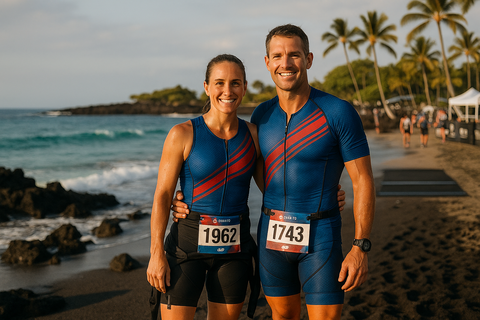
The inspiration factor cannot be overstated. Imagine lining up for your next triathlon knowing that world-class professionals are competing in the same event structure. While you might not be racing wheel-to-wheel with Olympic champions, you'll experience the same course, the same conditions, and the same race day energy that defines elite competition.
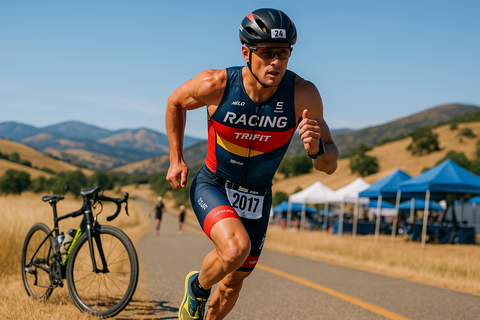
This creates unprecedented access to premium event experiences. Amateur athletes will benefit from the enhanced production values, sophisticated timing systems, and elevated atmosphere that elite racing demands. The proximity to professional competition also provides unique learning opportunities—watching elite technique, pacing strategies, and race tactics unfold in real-time.
New qualification opportunities emerge as well. The integrated model creates clearer pathways for ambitious age-groupers to potentially qualify for higher-level competition, bridging the gap between recreational and elite racing that has traditionally been difficult to cross. If you're looking to improve your performance, investing in quality gear like professional-grade tri suits can help you train and race at your best.
For Professional Athletes: Visibility and Viability
Professional triathletes have long struggled with sport visibility outside dedicated triathlon audiences. Competing within larger, more diverse events exposes elite racing to thousands of participants who might never attend a standalone professional race. This expanded audience creates more compelling opportunities for sponsors and media coverage.
The financial benefits extend beyond larger prize purses. More sustainable racing opportunities mean professionals can build more predictable competition calendars, while the community connection aspect allows direct interaction with the grassroots participants who form triathlon's foundation.
As the Athlete Advisory Group statement emphasizes: "Its plans to bring professionals and amateurs closer together in a way that champions elite level racing and uses that as a platform to inspire new people into the sport is very exciting and the next natural step in its journey."
For Event Organizers: Economic Efficiency Meets Spectator Appeal
The unified model addresses one of triathlon's persistent challenges: creating events that are both economically viable and compelling for all stakeholders. Combining elite and amateur competition reduces operational complexity while increasing the event's overall appeal to spectators, sponsors, and media.
This approach mirrors successful models in other endurance sports, where professional and amateur competitions often share event infrastructure and timing. The result is more efficient resource utilization and enhanced spectator experiences that justify premium pricing and sponsorship investment.
Industry Impact and Strategic Implications
Supertri's move puts significant pressure on other race organizations to reconsider their own models. The traditional separation of elite and amateur racing now looks increasingly outdated when compared to this integrated approach. Expect other major triathlon organizations to announce similar initiatives as they adapt to this new competitive landscape.
The timing coincides with broader changes in triathlon's governance structure, including recent announcements of the Triathlon World Tour collaboration between PTO and World Triathlon. These parallel developments suggest the entire sport is undergoing fundamental structural evolution.
The athlete response will be critical. Elite athletes backing the model through the Athlete Advisory Group provides important credibility, but broader professional and amateur acceptance will determine whether this becomes an industry standard or remains a Supertri-specific innovation.
Technology integration remains a wild card. While the virtual racing component has been paused, the data and engagement possibilities created by unified events could drive new innovations in race timing, spectator engagement, and athlete development programs. For those training for these events, GPS training watches can help you track your progress and optimize your performance.
Implementation Timeline and What's Next
The 2026 rollout represents just the beginning of this transformation. Supertri promises detailed announcements about qualification pathways and event specifics in the coming weeks, but the broad framework is already generating significant interest across the triathlon community.
The key implementation challenge will be balancing the needs of different athlete populations within the same event structure. This includes everything from start time coordination to prize distribution, course design considerations, and ensuring that neither elite performance nor amateur experience is compromised.
Early adoption success at the Blenheim Palace and New Jersey State Triathlons will likely influence how quickly other events embrace similar models. These established races provide ideal testing grounds due to their existing scale and reputation within the triathlon community.
The long-term vision extends beyond 2026. D'Hulst's commitment to "delivering for all" suggests this unified approach could eventually encompass the entire short-course racing ecosystem, fundamentally changing how triathlon events are conceived and executed.
A New Era of Integrated Racing
Supertri's unified model represents more than an organizational restructuring—it's a bet that triathlon's future lies in breaking down the artificial barriers between different levels of competition. By creating events where elite spectacle and grassroots participation reinforce each other, they're addressing financial sustainability while potentially solving the sport's ongoing visibility challenges.
The implications extend far beyond Supertri's own events. This model could influence how triathlon is structured globally, from local sprint races to international championships. If successful, it demonstrates that sports organizations don't have to choose between elite performance and mass participation—they can build systems where both thrive together.
For athletes at every level, this represents an unprecedented opportunity to be part of triathlon's evolution. Whether you're chasing age-group podiums or professional qualification, the 2026 season promises a fundamentally different racing experience that could reshape how we think about triathlon competition itself. Make sure you're prepared with essential gear like quality swim goggles and proper electrolyte supplements to support your training and racing goals.
The triathlon community now waits to see whether this bold vision will deliver on its promises. One thing is certain: the conversation about how to structure triathlon racing has been permanently changed, and the reverberations will be felt throughout the sport for years to come.
Find the perfect triathlon gear at TriLaunchpad — your triathlon journey starts here. Shop all collections →