California Shark Attack: Remembering Triathlete Erica Fox
The serene waters of Monterey Bay, a haven for open-water swimmers, turned into a scene of tragedy on December 21st, marking a somber day for California's endurance sports community. Erica Fox, a cherished local triathlete aged 55, tragically lost her life in a rare shark attack while indulging in her passion for open-water swimming.
Despite the rarity of fatal shark encounters in California—occurring only a few times each decade—this heartbreaking event serves as a poignant reminder of the risks inherent in ocean adventures. Erica Fox, an accomplished athlete and community pillar, leaves behind a legacy that prompts reflection on ocean safety and the bravery of those who embrace the challenges of open-water sports.
Celebrating Erica Fox: A Life of Endurance and Community
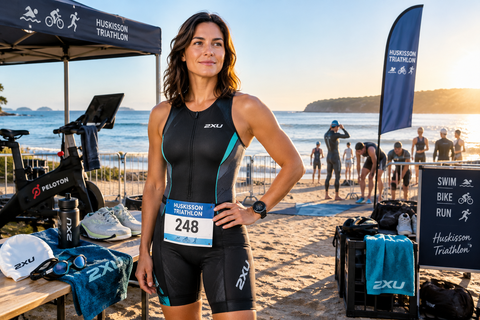
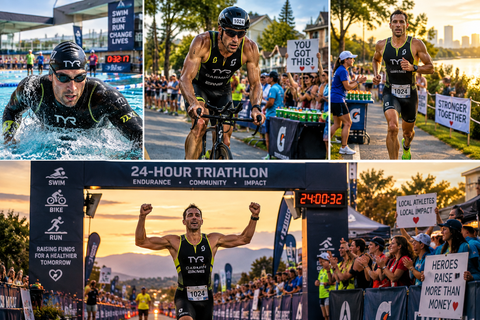
Erica Fox was the embodiment of endurance athletics, a testament to the spirit that thrives in California's coastal communities. As a seasoned triathlete, she pushed her limits across multiple disciplines, completing two Half Ironman races—events that demand swimming 1.2 miles, cycling 56 miles, and running 13.1 miles. Beyond these feats, Fox was a familiar face in numerous triathlon competitions, earning respect as a dedicated and skilled competitor.
Her influence extended beyond personal achievements. As a co-founder of the Kelp Krawlers, an open-water swimming group, she fostered a community of like-minded athletes who shared her love for ocean swimming. Through this group, she cultivated a supportive environment where swimmers could train together, exchange safety tips, and push each other to new heights amidst the ocean's challenges.
Residing in Pebble Beach, Fox was deeply woven into the local endurance sports fabric. Her contributions went beyond competition—she was a mentor, sharing her ocean knowledge and encouraging newcomers, nurturing the camaraderie that defines these communities. Her peers remember her not just for her athletic prowess, but for her generosity and passion for sharing her expertise.
The Fateful Day: December 21st
On that ill-fated Saturday morning, Fox embarked on what was meant to be a routine training swim at Lovers Point in Monterey Bay, a favored spot known for its relatively safe conditions. Accompanied by her husband, Jean-Francois Vanreusel, and fellow swimmers, she adhered to standard safety protocols emphasizing the buddy system.
The attack unfolded with sudden, shocking violence. Witnesses reported seeing a shark breach the surface with a body in its mouth—a terrifying sight that triggered immediate emergency response. The swimming group and nearby onlookers swiftly contacted authorities, initiating an extensive search and rescue operation.
Despite prompt response efforts from the Coast Guard and local emergency services, Fox vanished beneath the waves. The search spanned a week, with teams scouring the waters and coastline from Monterey Bay to points south. The Pacific Ocean's challenging conditions, with its currents and vastness, complicated the search.
On December 28th, Fox's body was discovered on a beach near Davenport in Santa Cruz County—approximately 30 miles south of the attack site, illustrating how ocean currents carried her remains during the week-long search.
A Community in Mourning: Honoring Erica
Fox's loss reverberated through the communities she touched. On December 29th, her husband Jean-Francois Vanreusel organized a heartfelt tribute, reflecting the deep respect and affection she inspired.
Vanreusel led a procession of friends and Kelp Krawlers members to a site near Fox's final swim. This gathering was not just about mourning—it was a celebration of her life and the passion she brought to the sport they all cherished. The decision to return to the water so soon after the tragedy speaks to their courage and understanding that Fox would have wanted them to continue pursuing their shared passion.
The Kelp Krawlers, the organization she helped build, became a source of support during this difficult time. Members shared memories of Fox's encouragement, her technical knowledge, and the culture of safety and mutual support she fostered.
The broader open-water swimming community along the California coast also felt the loss deeply. In a sport where athletes often know each other across distances, Fox's reputation as a competitor and community builder extended beyond her local area. Her death prompted discussions about risk, safety, and the bonds that connect those who train in the ocean's challenging environment.
Understanding Shark Attacks in California
While Fox's death is a genuine tragedy, it's crucial to recognize the statistical rarity of such incidents in California waters. Fatal shark attacks occur only a handful of times per decade along the entire California coast, making them among the least likely risks for ocean swimmers—far less probable than many everyday activities.
Monterey Bay, while generally safe for swimming, has seen occasional shark incidents. In 2022, another swimmer, Steve Bruemmer, was severely injured by a shark at the same location—Lovers Point—where Fox swam. However, Bruemmer survived, highlighting that even when attacks occur, they are not automatically fatal.
Marine biologists note that Monterey Bay's unique ecosystem, with the Monterey Submarine Canyon creating deep water conditions close to shore, can bring marine predators, including great white sharks, closer to popular swimming areas. The bay serves as a feeding ground for sharks targeting marine mammals, particularly during certain seasons.
The timing of Fox's attack—in late December—aligns with a period when great white sharks are often present in Central California waters. However, experts emphasize that sharks do not typically target humans as prey. Most incidents appear to be cases of mistaken identity or defensive behaviors rather than predatory attacks.
Understanding these patterns doesn't lessen the tragedy of Fox's death, but it provides context for the extremely low probability of such encounters. The California Department of Fish and Wildlife tracks these incidents, consistently showing that millions of ocean entries occur safely for every serious shark encounter.
Ocean Safety for Open-Water Swimmers
Fox's death has renewed focus on safety protocols within the open-water swimming community. Organizations like the Kelp Krawlers already employed many best practices that Fox helped establish, demonstrating that even proper safety measures cannot eliminate all risks from ocean swimming.
Current safety protocols used by experienced swimming groups typically include:
- Buddy system requirements - No swimmer enters the water alone
- Regular check-ins during longer swims
- Designated safety observers on shore or in support boats
- Emergency communication devices carried by support personnel
- Knowledge of local conditions including seasonal patterns and marine life activity
Fox's adherence to these protocols illustrates that while essential, they cannot prevent every possible incident. However, the swift response and immediate communication with authorities likely prevented a worse outcome.
Marine safety experts emphasize additional considerations for open-water swimmers:
- Awareness of seasonal patterns in marine predator activity
- Understanding of local geography and its influence on marine life behavior
- Recognition of warning signs such as increased marine mammal activity or murky water conditions
- Proper training in emergency response procedures
Many experienced swimmers advocate for technological solutions, such as shark detection devices, though experts note the rarity of attacks makes it difficult to assess their effectiveness. For those serious about open-water swimming safety, investing in quality equipment is essential—consider high-visibility swim goggles that help you stay visible to safety observers and fellow swimmers.
Moving Forward: Honoring Erica's Legacy
As the open-water swimming community processes this loss, the focus shifts to honoring Fox's memory while continuing the sport she loved. The Kelp Krawlers and similar organizations face the challenge of maintaining safety awareness without letting fear overshadow the joy and fulfillment that Fox found in ocean swimming.
Her legacy lies not just in her athletic achievements, but in the community she helped build and the safety-conscious culture she promoted. The protocols and camaraderie she championed will likely become part of how she is remembered and how future swimmers approach their training.
The broader endurance sports community continues to balance accepting calculated risks with implementing reasonable safety measures. Fox's death reminds us that some risks, however small, remain inherent to activities in wild environments.
For those who knew Fox personally, and for ocean swimmers at large, the path forward involves carrying on her passion for the sport while maintaining the safety consciousness and mutual support she exemplified. Her husband Jean-Francois and fellow Kelp Krawlers members intend to continue swimming, viewing this as the best way to honor her memory.
While this tragedy will undoubtedly lead to renewed discussions about ocean safety protocols, it's equally important to remember what drew Fox to the water: the challenge, the beauty, and the sense of community that open-water swimming provides. Those elements of the sport—the ones that made it meaningful to her—remain unchanged. For swimmers looking to enhance their training experience, quality gear like anti-fog swim goggles with UV protection can improve both safety and performance.
The swimming community's response to this tragedy, marked by appropriate grief and determination to continue, reflects the resilience and courage that define athletes like Erica Fox. Her legacy will live on through the community she helped build and the safer, more supportive environment she worked to create for fellow ocean swimmers. For those inspired by her dedication to triathlon and endurance sports, her story serves as both a reminder of the risks we accept and the profound impact one person can have on their community.
Find the perfect swim gear at TriLaunchpad — your triathlon journey starts here. Shop all collections →