The Pink Swim Trunks That Changed Everything: A Late-Starter's Journey to Worlds
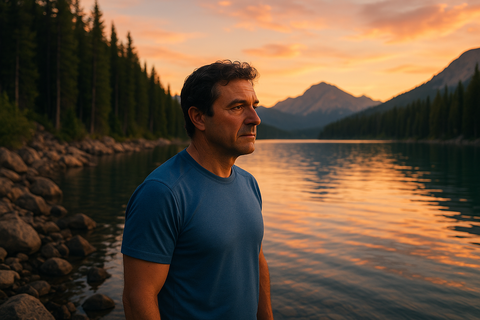
At 37, Alberto Ortiz found himself standing poolside in a pair of pink swim trunks, surrounded by seasoned swimmers in professional gear. The sharp scent of chlorine mingled with his own nerves and self-doubt, creating a cocktail of uncertainty. Fast forward eighteen months, and he was representing Canada at the World Triathlon Championships.
In a society that often glorifies early specialization and youth athletics, the idea of starting a competitive sport later in life can seem daunting. We're led to believe that athletic success is reserved for those who began training in their youth, with years of experience under their belts. Yet, Alberto's story defies this notion, proving that sometimes the best time to start is when you think it's too late.
This is a roadmap for anyone contemplating a major fitness challenge later in life—a firsthand account of how a casual family joke sparked a journey to Team Canada.
Breaking the "Too Late" Mindset
The pivotal moment occurred during a Christmas gathering in 2023. Amidst the laughter and banter, someone jokingly suggested signing up for a triathlon. While everyone else laughed it off, the idea lingered in Alberto's mind.
The belief that it was "too late" was deeply ingrained. Having moved to Canada from Mexico at 22 to pursue his studies, Alberto had always prioritized stability. "I'd never been particularly athletic, and without realizing it, I had accepted the idea that sports success was for those who started young," he recalls.
His swimming experience was limited to "resort pools, covering the short distance between my lounge chair and the bar." Water had always been a source of joy, devoid of clocks, drills, or any pressure to improve.
Yet, sometimes the most transformative journeys begin with a spark of possibility. That casual joke planted a seed that grew into something much bigger than anyone at that Christmas gathering could have imagined.
The Reality Check: First Steps into Serious Training
Walking into his first swimming class in January 2024, Alberto felt out of place. The intimidation was immediate and overwhelming. "Everyone else looked prepared, wearing fitted suits and gear and exuding confidence. I felt exposed in a way I had not expected."
The coach's initial reaction seemed to confirm his fears. "What on earth is this guy doing here?" her expression seemed to say. The question felt justified—here was a 37-year-old man in pink swim trunks among serious swimmers with proper equipment and obvious experience.
Then came the moment that changed everything. When the coach asked about his goal, Alberto found himself saying something that surprised even him: "Completing an Olympic distance triathlon."
Her response was unexpected: "That's easy," she replied, as if it were an everyday goal.
That simple statement—delivered with matter-of-fact confidence—reframed everything. What felt impossible to Alberto was just another training goal to someone with experience. After a session full of "awkward breathing and very little grace in the water," the coach pulled him aside with words that became the foundation of his journey:
"At first I wasn't sure what to expect. But I think we can work with you."
Those words—"we can work with you"—contained everything Alberto needed to hear. Not "you're hopeless" or "maybe start smaller," but acknowledgment that potential existed, even if it wasn't immediately obvious.
From Comfort Zone to Competition Zone
Training momentum can be dangerous. By March 2024, after just two months of swimming lessons, Alberto's coach suggested he sign up for a race. Her recommendation was sensible: a half distance with a 375-meter swim followed by a short run.
Instead, Alberto found himself signing up for the full distance: 750 meters.
"Somehow, I found myself signing up for the full distance," he reflects, capturing how quickly goals can escalate when you're caught up in the excitement of possibility. It's a classic beginner mistake—or perhaps it's the kind of ambitious leap that separates those who achieve extraordinary things from those who play it safe.
Race day brought a harsh reality check. Standing at the edge of the pool that morning, the familiar tightness in his chest returned. "The water felt heavier than it ever had during training." When the horn sounded, adrenaline carried him through the first lengths, but then the noise faded, leaving only "my breathing and the splash of my own arms."
The mental battle was as challenging as the physical one. Lap after lap, Alberto negotiated with himself: "Just make it to the next wall. The next. The next." This kind of internal dialogue—breaking overwhelming challenges into manageable pieces—becomes essential for adult-onset athletes facing goals that seem impossibly large.
When he finally climbed out of the pool, reality hit: he was the last one out of the water. For a moment, doubt rushed back in. "Maybe this really was too much. Maybe I was out of place after all."
Then came the run—and everything changed. Within the first few minutes, he passed someone. Then another. And another. "With every step, something shifted. I was no longer measuring myself against who had finished first. I was moving forward, finding my rhythm, doing exactly what I had come to do."
This shift in perspective—from external comparison to internal progress—represents a crucial mindset change that separates sustainable athletic growth from burnout and disappointment.
The Unexpected Payoff: When Persistence Meets Opportunity
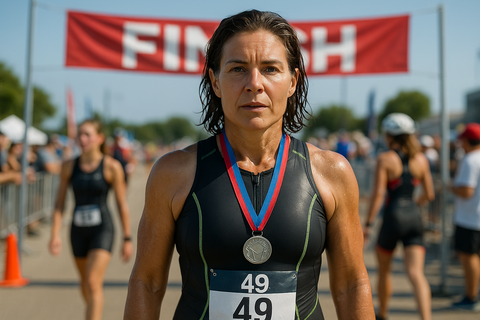
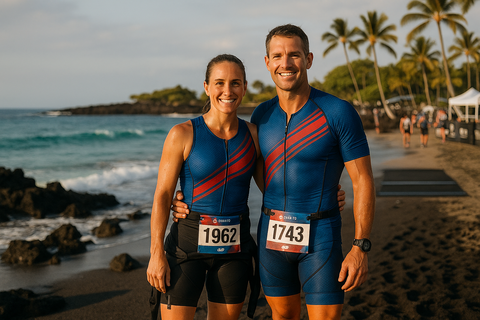
After a summer of races and steady improvement, Alberto received an email that seemed impossible. It wasn't the expected "Thank you for participating" message. Instead, it confirmed he had earned a spot to represent Canada at the 2026 Triathlon World Championship in Spain.
"I read it slowly, then read it again, struck by disbelief."
The journey from pink swim trunks to Team Canada uniform in eighteen months illustrates how dramatically life can change when we're willing to start something new, regardless of our age or experience level. Alberto's reflection on this moment captures the profound personal meaning beyond athletic achievement:
"I thought about a younger version of myself who arrived in this country focused on learning how to fit in, not on standing out."
The weight of wearing "Canada" across his chest represented more than athletic success—it symbolized belonging, achievement, and the kind of representation that transcends sport. For someone who had spent years focused on stability and fitting in, this moment redefined what was possible.
Lessons for Late-Starting Athletes
Alberto's journey offers a practical blueprint for adult-onset athletic success:
Start Where You Are, Not Where You Think You Should Be
The pink swim trunks weren't a liability—they were his starting point. Waiting for perfect equipment, perfect fitness, or perfect circumstances is just another form of procrastination. The coach could see potential despite the unconventional appearance because she was looking at effort and attitude, not gear.
If you're ready to start your swimming journey, investing in quality swim goggles can make training more comfortable and help you focus on technique rather than discomfort.
Embrace the Beginner's Mindset
Being new to a sport as an adult can actually be an advantage. Adult beginners often bring discipline, goal-setting skills, and life experience that younger athletes haven't yet developed. Alberto's ability to negotiate with himself during challenging moments—"just make it to the next wall"—reflects emotional regulation skills that come with maturity.
For those looking to structure their training, modern technology can provide the guidance and accountability that helps adult learners progress efficiently.
Allow Your Goals to Evolve
The progression from casual swimming to World Championships wasn't planned—it emerged through consistent action and staying open to possibilities. Starting with a manageable goal (learning to swim) created space for bigger dreams to develop naturally.
Redefine Success
The shift from measuring against others to focusing on personal progress became crucial to Alberto's long-term success. Being last out of the pool hurt for a moment, but finding strength in the run portion showed him that success in one area can compensate for challenges in another.
Understanding realistic time expectations for different race distances can help you set appropriate goals and celebrate genuine progress.
Stay Open to Surprises
The email confirming his spot at World Championships came as a complete surprise because Alberto hadn't been tracking qualification standards or planning for that level of competition. Sometimes we achieve more than we ever imagined when we focus on consistent improvement rather than specific outcomes.
Your Pink Swim Trunks Moment
Alberto's story reveals a fundamental truth about human potential: our perceived limitations often have less to do with our actual capabilities and more to do with the stories we tell ourselves about what's possible at our age or experience level.
The limiting belief that athletic success only comes to early starters is just that—a belief, not a fact. Adult-onset athletes bring unique advantages: life experience, emotional regulation skills, and often a deeper appreciation for the training process. They're less likely to burn out because they've chosen their sport deliberately, not had it chosen for them.
The most important step is the first one. Whether your goal is completing a triathlon, learning a new sport, or tackling any physical challenge that seems beyond your current ability, the path forward is the same: start where you are, with what you have, right now.
For those ready to take the plunge, having the right gear can boost confidence. Consider starting with complete swim training kits that include everything you need to feel prepared at the pool.
What goal have you been dismissing as "too late to start"? What's your equivalent of those pink swim trunks—the thing that makes you feel unprepared or out of place? Remember that every expert was once a beginner, and every World Championship athlete once stood nervously at the starting line wondering if they belonged there.
Your pink swim trunks moment might be exactly what you need to discover what you're truly capable of achieving.
Find the perfect swim gear at TriLaunchpad — your triathlon journey starts here. Shop all collections →