The Brutal Truth About Ironman DNF Rates: Why 1 in 3 Athletes Failed to Finish These Races
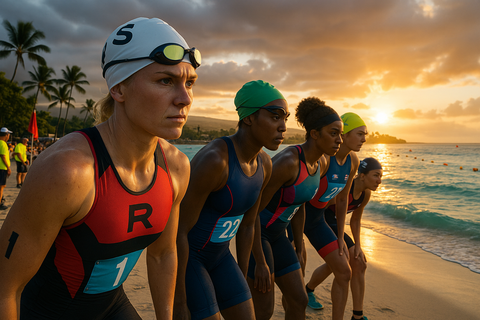
Imagine standing at the starting line of an Ironman race, filled with anticipation and determination. Yet, for nearly one-third of athletes at Ironman Waco 2022, that journey ended prematurely. With a staggering 31.2% DNF (Did Not Finish) rate, this race highlighted the harsh realities of endurance sports. While the average Ironman DNF rate hovers around 8%, this figure conceals the dramatic variations influenced by race conditions, geography, and individual preparation.
Drawing from 13 years of Ironman data, this analysis uncovers the races with the highest DNF rates, the factors contributing to these outcomes, and how experience and gender play a role in an athlete's success. Based on insights from approximately 500 Ironman races from 2012 to 2025, analyzed by triathlon data expert Russell Cox, this information could transform your approach to race selection and preparation.
The Races That Break Athletes: Highest DNF Rates in Ironman History
When Heat Becomes the Ultimate Enemy
The numbers are daunting. At Ironman Waco 2022, 31.2% of athletes failed to finish—nearly doubling the sport's average DNF rate. As Cox notes, "Heat and humidity are often the cause" of these extreme DNF rates, and the data overwhelmingly supports this conclusion.
The struggle wasn't isolated to Waco. Ironman Coeur d'Alene 2021 saw a 27.1% DNF rate, while Frankfurt 2019—typically a fast course—witnessed a 25.5% DNF rate during particularly brutal heat conditions. The pattern is clear: when temperatures soar, even the most prepared athletes struggle to reach the finish line.
Consider these sobering statistics from the highest DNF races:
| Race | Competitors | Average Finish Time | DNF Rate |
|---|---|---|---|
| Waco 2022 | 557 | 14:15:56 | 31.2% |
| Coeur d'Alene 2021 | 2,114 | 13:52:06 | 27.1% |
| Frankfurt 2019 | 2,746 | 12:30:41 | 25.5% |
| Wisconsin 2022 | 1,377 | 14:19:08 | 25.5% |
| Chattanooga 2016 | 2,214 | 13:56:24 | 25.3% |
When Cold Conditions Turn Deadly
Heat isn't the only weather condition that devastates finish rates. Ireland 2019 tells a different but equally challenging story, with a 23.2% DNF rate caused by cold, wet conditions. Following a canceled swim due to dangerous water conditions, athletes faced a perfect storm of physical and mental challenges.
The UK Bolton 2023 race further demonstrates how extreme weather, regardless of temperature, can derail even well-prepared athletes. With a 23.0% DNF rate, this race combined a challenging course with difficult conditions that proved too much for nearly a quarter of the field.
The Cutoff Time Reality
What makes these high-DNF races particularly brutal is the cascade effect they create. Extreme conditions lead to slower finishing times, increasing the likelihood of missing cutoff times. The average finishing times in the highest DNF races—often exceeding 14 hours—tell the story of athletes battling not just the elements, but the clock itself.
The Golden Standard: Races Where Athletes Thrive
World Championship Magic
At the opposite end of the spectrum lies the 2023 Ironman World Championship women's race in Kona, where only 2.34% of athletes failed to finish—despite racing in the notoriously hot and humid Hawaiian conditions. This remarkable statistic highlights what Cox identifies as a crucial factor: "There's something to be said for the motivation of racing a world championship."
The World Championship races appear multiple times in the lowest DNF data, suggesting that qualified athletes bring something extra to these marquee events. The combination of rigorous qualification standards, peak preparation, and the prestige of the event creates an environment where athletes push through conditions that might derail them elsewhere.
The Fast and Flat Formula
The races with the lowest DNF rates share common characteristics: flat, fast courses combined with moderate weather conditions. Here are the events where athletes have the best odds of seeing the finish line:
| Race | Competitors | Average Finish Time | DNF Rate |
|---|---|---|---|
| New Zealand 2012* | 1,436 | 5:45:06 | 1.39% |
| Kona Women's WC 2023 | 2,091 | 12:43:01 | 2.34% |
| Melbourne 2014 | 1,919 | 11:37:08 | 2.55% |
| Les Sables 2025 | 2,628 | 11:27:16 | 2.86% |
| World Championship 2022 | 2,447 | 11:00:36 | 2.86% |
*Note: New Zealand 2012 was shortened to 70.3 miles due to conditions
Climate as the Great Equalizer
What's particularly striking about the lowest DNF races is their average finishing times—consistently faster than the brutal high-DNF events. Fast courses like Melbourne, Les Sables, and Brazil create conditions where athletes can maintain pace and avoid the dreaded cutoff times that claim so many in extreme weather conditions.
Regional Patterns: Where Geography Determines Destiny
Asia: The Crucible of Endurance
The data reveals stark regional differences in DNF rates. Asian races stand out as particularly challenging, with 50% of Asian Ironman events recording DNF rates between 10-15%, and an additional 20% exceeding 15%. The combination of heat, humidity, and often challenging courses creates a perfect storm for higher DNF rates.
Yet athletes continue to flock to these races, drawn by the unique challenges and cultural experiences they offer. The key is understanding what you're signing up for and preparing accordingly with proper electrolyte supplementation and heat acclimatization training.
The Goldilocks Zones
Some regions consistently deliver more manageable conditions:
- Australia/New Zealand: 75% of races fall around the average DNF rate
- South America: Nearly half of all races record DNF rates below 5%
- Europe and North America: Home to both the extremes—the highest and lowest DNF rates
Climate Change and Future Implications
The regional patterns raise important questions about the future of Ironman racing. As global temperatures rise and weather patterns become more unpredictable, traditionally moderate locations may see increased DNF rates. The data already shows some evidence of this trend in recent years.
The Experience Factor: Does Practice Make Perfect?
First-Timer Reality Check
Contrary to what many might expect, first-time Ironman athletes actually perform quite well, with a 91% finish rate. The 9% DNF rate for newcomers suggests that proper preparation and conservative pacing can overcome lack of experience.
This statistic should be encouraging for athletes contemplating their first Ironman. While experience helps, it's not the determining factor in reaching the finish line. If you're preparing for your debut, check out our comprehensive guide to AI training apps that can help optimize your preparation.
The Veteran Advantage
Experience does provide benefits. Athletes with five or more previous Ironman completions see their DNF rate drop to approximately 7%—a meaningful 2% improvement over first-timers. However, as Cox notes, even the most experienced athletes aren't immune to race-day problems.
Past Performance as Your Best Predictor
More telling than race count is past performance. Cox's analysis reveals that "past performance is of course some indication of fitness and readiness to race." Athletes with faster average finish times in previous races consistently show lower DNF rates, while slower athletes race closer to cutoff times and face higher DNF risk.
Interestingly, the data shows a small uptick in DNF rates among the fastest athletes, suggesting that racing at the absolute limit—even when you're highly capable—carries its own risks.
Gender Dynamics in Ironman Completion
Understanding the Statistical Gap
The data reveals a consistent gender difference in DNF rates:
- Men: 7.5% median DNF rate
- Women: 9.6% median DNF rate
This 2.1% difference appears across the entire dataset and warrants closer examination. While the gap exists, it's important to note that both groups show strong overall finish rates, with more than 90% of athletes in both categories successfully completing their races.
Factors Beyond Physical Differences
The gender difference in DNF rates likely reflects multiple factors beyond pure physical capability, including:
- Different risk tolerance levels during races
- Varying approaches to race-day decision making
- Potential differences in preparation and strategy
- Distinct responses to extreme weather conditions
Understanding these patterns can help athletes of all genders develop more effective race strategies and preparation approaches.
Trends Over Time: The Evolution of Ironman Racing
The 13-Year Pattern
Looking at DNF trends from 2012-2025, the data reveals interesting patterns. Recent years have shown a higher proportion of races with DNF rates above 10%, suggesting that either conditions have become more challenging or athletes' preparation strategies need adjustment.
The COVID Effect and Climate Reality
The 2020 season stands as a clear anomaly due to COVID-19 restrictions, with limited racing data. However, 2022 emerged as an exceptional year for high DNF rates, with the lowest number of races recording DNF rates below 10% during this period.
This trend raises questions about whether climate change is making traditional race locations more challenging, or if other factors—such as increased participation from less experienced athletes—are influencing the statistics.
Looking Forward
The data suggests that race directors and athletes alike need to adapt to increasingly variable conditions. Traditional "safe" race choices may become less predictable, making thorough preparation for extreme conditions more crucial than ever.
Practical Applications: Using This Data to Succeed
Race Selection Strategy
Armed with this data, smart athletes can significantly improve their odds of finishing by:
- Researching historical DNF rates for target races
- Understanding regional weather patterns and their impact on performance
- Considering their experience level when choosing first or milestone races
- Evaluating their heat tolerance before committing to traditionally hot races
Preparation Insights
The data also informs training and preparation strategies:
- Heat acclimatization becomes crucial for races with historically high DNF rates
- Conservative pacing strategies matter more in extreme conditions
- Mental preparation for challenging conditions can be as important as physical training
- Backup race plans should account for potential weather-related challenges
Proper nutrition and hydration planning is essential. Consider investing in quality electrolyte supplements and magnesium complex formulas to support your body through extreme conditions.
The Reality Check
Perhaps most importantly, this analysis provides a reality check for all Ironman athletes. With an 8% average DNF rate, even well-prepared athletes face real risks on race day. Understanding these risks allows for better preparation and more realistic expectations.
The Bottom Line: Knowledge as Your Greatest Weapon
The brutal truth about Ironman DNF rates is that they vary dramatically—from as low as 1.4% to as high as 31.2%—based on conditions, course design, and preparation. Heat and unexpected weather remain the primary drivers of high DNF rates, while experience and past performance help reduce but never eliminate the risk.
As Cox's comprehensive analysis demonstrates, successful Ironman racing isn't just about fitness—it's about understanding the data, choosing races wisely, and preparing for the specific challenges each event presents. Whether you're a first-timer looking for favorable odds or a veteran seeking your next challenge, this data provides the foundation for making informed decisions.
For more insights on Ironman racing, explore our guides on what constitutes a good Ironman 70.3 time and the world's toughest triathlon challenges.
The key takeaway? DNF is always a possibility in Ironman racing, but with proper research, preparation, and race selection, you can significantly tip the odds in your favor. Choose your race based on the data, prepare for the conditions you'll face, and respect the distance and the elements—because in the end, crossing that finish line is as much about smart strategy as it is about physical ability.
Find the perfect race day essentials at TriLaunchpad — your triathlon journey starts here. Shop all collections →